
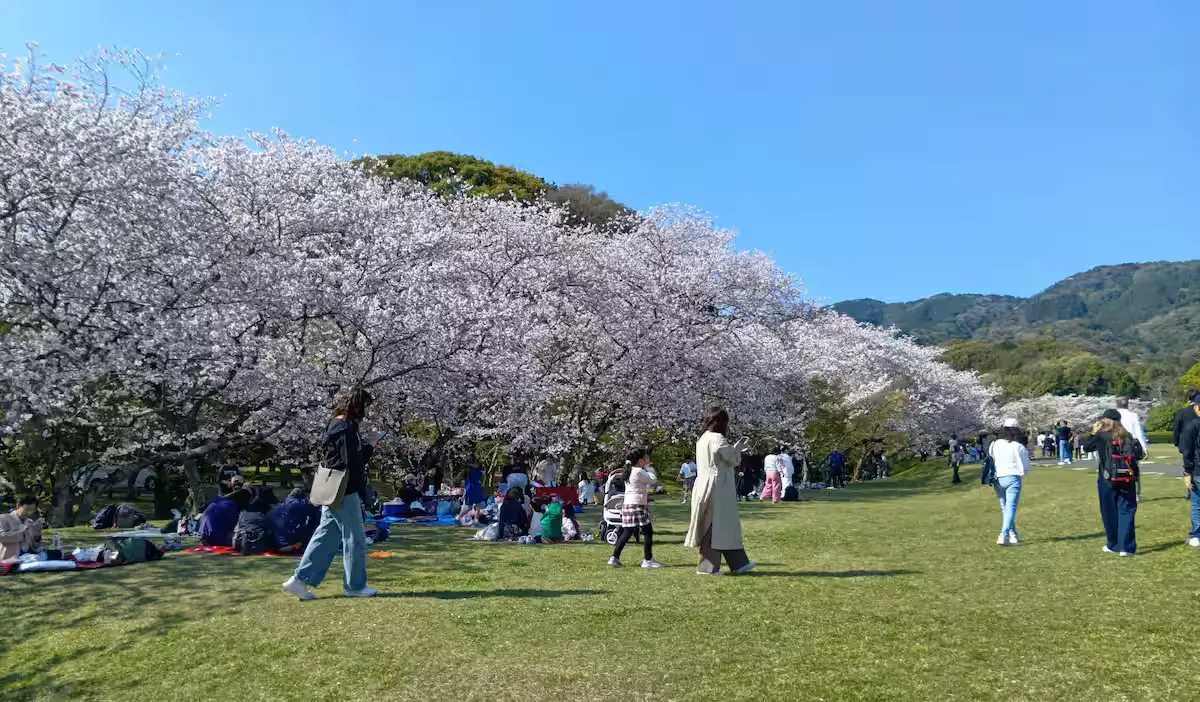
She had planned the trip for two years. A retired schoolteacher from São Paulo, Maria arrived in Fujiyoshida in late March 2026 expecting the Japan she had seen in photographs: serene pink blossoms framing the iconic cone of Mount Fuji, a moment of stillness in a busy life. Instead, she found gridlocked roads, overflowing trash bins, and a festival that had been officially canceled before she ever landed.
Maria’s story is not unusual. Thousands of travelers in spring 2026 encountered a Japan visibly straining under the weight of its own appeal. The cherry blossom season, long considered the country’s most magical window for visitors, has become something else entirely in recent years: a pressure point that is cracking communities, canceling traditions, and forcing a national reckoning.
Why Fujiyoshida Became Japan’s Overtourism Ground Zero
Fujiyoshida sits at the northern base of Mount Fuji, in Yamanashi Prefecture. It offers what many photographers and travelers consider the single best vantage point in Japan: a row of ancient cherry trees along the Chureito Pagoda approach, with the mountain rising perfectly behind them.
That image went globally viral multiple times across social media platforms in the early 2020s. Each viral moment sent a new wave of visitors. Each wave arrived less prepared, less informed, and less considerate than the last, according to local residents and officials.
Local officials and residents began using a phrase that has no direct translation but captures the problem vividly: “kanko kogai,” loosely meaning “tourism pollution.” It describes not just physical waste, but the noise, the dangerous behavior, the disregard for local norms that arrived alongside the camera-wielding crowds.
The Festival Cancellation That Shocked the Travel World
In February 2026, the Fujiyoshida city government made a decision that reverberated across the global travel community: the annual Cherry Blossom Festival would not be held. The event, which had drawn visitors for decades, was officially suspended in hopes of reducing the volume of visitors during peak bloom season.
The move was unprecedented. Canceling a beloved cultural festival is not a bureaucratic footnote; it is a statement. Officials were effectively saying that the event had become incompatible with the community’s ability to function.
Alongside the festival cancellation, officials tripled the local tourist tax. The intention was blunt: make visiting more expensive, reduce the volume of casual or impulsive visitors, and fund the infrastructure strain that mass tourism creates. Whether it works remains an open question, but the signal was unmistakable.
“Cherry blossom viewing events are under threat from unruly crowds” as noise, dangerous rule-breaking, and overtourism push residents toward permanent restrictions.
— Japan Forward, reporting on community responses across multiple prefectures
Japan’s Economic Bind Makes Simple Solutions Impossible
Here is the uncomfortable paradox at the center of Japan’s overtourism crisis: the country desperately needs tourist revenue. Japan’s economy has faced persistent stagnation. A weakened yen in recent years made Japan dramatically affordable for foreign visitors, and tourism became one of the few genuinely booming sectors.
Officials cannot simply close the borders, raise prices to punitive levels, or wave away the visitors. Tourism provides jobs, sustains rural towns that would otherwise empty, and generates tax revenue for underfunded municipalities. Fujiyoshida itself benefits financially from the very visitors who are overwhelming it.
| Measure | Location | Status (2026) |
|---|---|---|
| Cherry Blossom Festival Cancellation | Fujiyoshida, Yamanashi | Implemented |
| Tourist Tax Tripled | Mount Fuji viewing areas | Implemented |
| Crowd Control Barriers at Viewing Spots | Multiple Fuji viewpoints | New measures active |
| Visitor Number Caps | Select cherry blossom sites | Under consideration |
This tension is what Associated Press reporting describes as Japan’s deepest struggle: as economic malaise deepens, officials cannot afford to alienate the tourist economy, even as communities suffer its side effects. The result is half-measures, reactive policy, and residents caught in the middle.
What the Crowds Are Actually Doing to These Communities
The damage is more specific than general overcrowding. Reports from Japan Forward document visitors climbing restricted barriers to get closer to cherry trees, leaving behind bottles and food waste in significant volumes, blocking narrow residential roads with rental cars, and ignoring clear signage in multiple languages.
Noise is another persistent complaint from residents near popular viewing areas. Late-night gatherings, loud group celebrations, and the sheer acoustic mass of thousands of people in a small town create a kind of sensory disruption that residents describe as relentless during peak weeks.
Local businesses face their own contradictions. A café owner near the Chureito Pagoda might see annual revenue concentrated into two chaotic weeks, with little benefit outside that window. The money arrives with significant hidden costs: extra staff, stock management, and property wear that the tourist tax is only beginning to address.
What Travelers Planning a Japan Trip Need to Understand Right Now
If you are planning to visit Japan during cherry blossom season, 2026 has changed the calculus significantly. The Fujiyoshida area is actively managed now in ways it was not two years ago. Higher entry costs, restricted access to certain viewpoints, and the absence of the traditional festival all affect what you will experience on the ground.
The bloom itself is not going anywhere. Cherry blossom season still stretches from late March into early April across central Honshu. It remains genuinely spectacular. But the experience of viewing it near Mount Fuji’s northern base is no longer the spontaneous, serene affair that older travel guides describe.
The broader takeaway is a shift in how Japan’s most iconic destinations function. Spontaneous access to peak-season hotspots is being replaced by managed entry, timed tickets, and financial barriers designed to reduce volume. Travelers who research and book deliberately will have a better trip than those who arrive expecting an open, unregulated experience.
Japan’s struggle is not unique. Venice, Barcelona, Amsterdam, and Bali have all faced versions of this same tension. What makes Japan’s case distinct is the cultural weight attached to cherry blossoms specifically, and the fact that the government is willing to cancel cherished traditions rather than simply manage crowds around them. That is a harder, more honest choice than most tourist destinations have made.
The real question Japan is wrestling with is not how to accommodate more visitors. It is whether the version of Japan that tourists are desperate to see can survive being seen by all of them at once.
Frequently Asked Questions

You Might Also Like
What Sunset World Resorts Are Offering Families in Cancun This Easter
Easter at a Mexican beach resort sounds like a straightforward enough holiday — sun, sand,…

South Korea’s Pet-Friendly Hotels Are Redefining What Family Travel Looks Like
Traveling with a pet used to mean kennels, pet-sitters, and a guilty goodbye at the…
Japan Among Growing List of Nations Caught in Thailand Visa-Free Shake-Up
Thailand is reassessing its visa-free entry program in a move that affects travelers from dozens…
Leave a Reply