
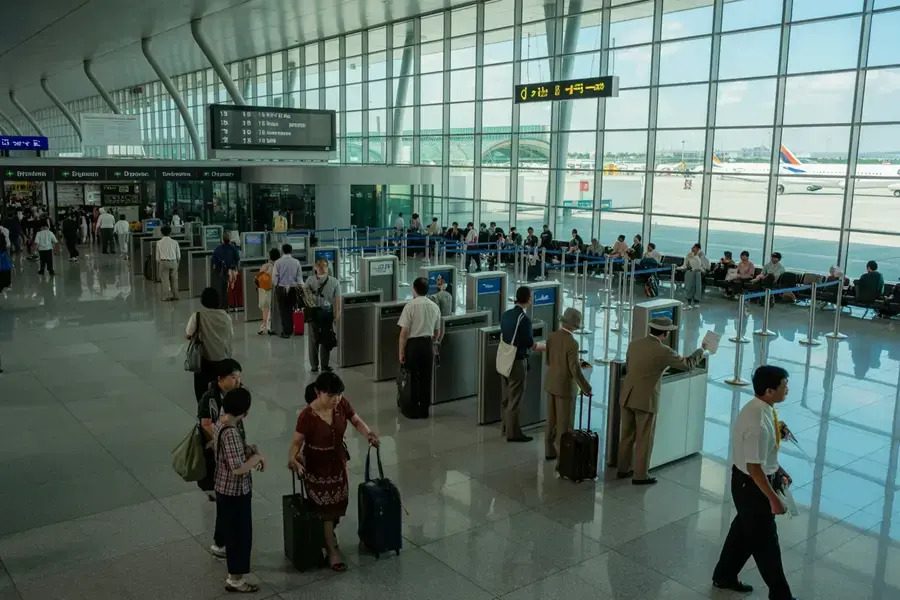
Thailand is reassessing its visa-free entry program in a move that affects travelers from dozens of countries — and if you hold a passport from Japan, Hong Kong, the Philippines, Malaysia, Turkey, Germany, Greece, Austria, Portugal, Qatar, Kuwait, South Africa, or Botswana, this development is directly relevant to your next trip.
The country has long positioned itself as one of Southeast Asia’s most accessible destinations, welcoming millions of visitors each year under generous visa-free arrangements. But that openness is now being weighed against new economic and regulatory priorities, signaling a meaningful shift in how Thailand manages its borders and its tourism economy.
The reassessment is broad in scope. The list of affected nations spans Asia, Europe, the Middle East, and Africa — suggesting this is not a targeted response to any single country, but a systemic review of how Thailand’s visa-free framework is structured and who benefits from it.
Why Thailand Is Rethinking Its Open-Door Policy
For years, Thailand’s visa-free program served a straightforward purpose: bring in tourists, fill hotels, support local businesses, and keep the economy humming. It worked. Thailand consistently ranked among the most visited countries in the world, and easy entry was a core part of its appeal.
But visa-free access also creates pressure points. Governments that offer it widely can face challenges around overstays, unauthorized work, and the difficulty of tracking who is actually in the country at any given time. Balancing tourism volume with regulatory control is a tension every major destination eventually has to manage.
Thailand’s current reassessment appears to reflect exactly that tension. Officials have indicated the review is designed to align the program with the country’s evolving economic and regulatory priorities — language that suggests both a desire to attract higher-value visitors and a need to tighten oversight of who enters and how long they stay.
The Countries Now Under Review
The scale of this reassessment is striking. The nations currently under review represent some of Thailand’s most significant tourism source markets, including major economies from three continents. Here is a breakdown of the countries confirmed to be part of the reassessment:
| Region | Countries Affected |
|---|---|
| Asia-Pacific | Japan, Hong Kong, Philippines, Malaysia |
| Europe | Germany, Greece, Austria, Portugal, Turkey |
| Middle East | Qatar, Kuwait |
| Africa | South Africa, Botswana |
The geographic spread is notable. Japan and Germany are among the world’s wealthiest travel markets. The Philippines and Malaysia are close regional neighbors with deep cultural and economic ties to Thailand. Qatar and Kuwait represent high-spending Gulf travelers. South Africa and Botswana round out a list that clearly spans income levels and travel profiles, suggesting the review is not simply about economics alone.
What This Could Mean for Travelers Planning a Thailand Trip
If you are currently planning travel to Thailand from any of the countries listed above, the most important thing to understand is that no final changes have been confirmed yet. This is a reassessment — a policy review — not an announcement that visa-free access has already ended.
That said, the direction of travel matters. When governments announce formal reassessments of this kind, the outcome rarely leaves the existing system entirely unchanged. Travelers should prepare for the possibility that some form of new entry requirement — whether a visa, an electronic travel authorization, or a fee — could be introduced for one or more of these nationalities.
- Check before you book: Anyone planning a Thailand trip in the coming months should verify entry requirements close to their departure date, as policy changes can take effect quickly once finalized.
- Budget for potential visa costs: If visa requirements are introduced, application fees and processing times will need to be factored into travel planning.
- Overstay rules remain strict: Regardless of how entry requirements change, Thailand enforces overstay penalties firmly — travelers should ensure they understand the permitted length of stay under whatever system is in place.
- Business and long-stay travelers face the most uncertainty: Those who rely on visa-free entry for extended visits or work-adjacent trips will want to monitor developments closely.
What Happens Next in Thailand’s Policy Review
Thailand has not yet published a formal timeline for when the reassessment will conclude or when any changes would take effect. Policy reviews of this scale typically involve consultation across multiple government ministries — tourism, immigration, and foreign affairs — before reaching a final decision.
What is clear is that Thailand is signaling a more deliberate, selective approach to international access. Rather than simply maintaining the broad visa-free arrangements that were put in place during earlier periods of tourism growth, the government appears to be asking harder questions about what kind of travelers it wants to attract, how long they should stay, and what economic contribution they should make.
For the travel industry — airlines, hotels, tour operators, and booking platforms — the uncertainty itself is a challenge. Travelers who are unsure about entry requirements tend to delay booking decisions, which can soften demand in the short term even before any formal change takes effect.
The coming weeks and months will determine whether Thailand’s reassessment results in targeted adjustments to a few nationalities or a broader restructuring of how the country manages visa-free access altogether.
Frequently Asked Questions
Has Thailand officially ended visa-free access for any of these countries?
No. As of the announcement, Thailand has confirmed a reassessment of its visa-free program, but no final changes to entry requirements have been confirmed.
Which countries are included in Thailand’s visa-free reassessment?
The confirmed list includes Japan, Hong Kong, the Philippines, Malaysia, Turkey, Germany, Greece, Austria, Portugal, Qatar, Kuwait, South Africa, and Botswana, among others.
Why is Thailand reviewing its visa-free entry program?
Thai officials have stated the review is intended to align the program with the country’s new economic and regulatory priorities, though specific details of those priorities have not been fully outlined.
When will Thailand announce the outcome of the review?
No official timeline for the conclusion of the reassessment has been confirmed at this stage.
Should I cancel my Thailand trip if I hold a passport from one of these countries?
Not necessarily — no changes are in effect yet, but travelers should monitor official Thai immigration announcements closely and verify entry requirements before departure.
Could new visa fees or electronic travel authorizations be introduced?
This has not yet been confirmed, but a reassessment of this kind often leads to some form of updated entry requirement for affected nationalities.




Leave a Reply