
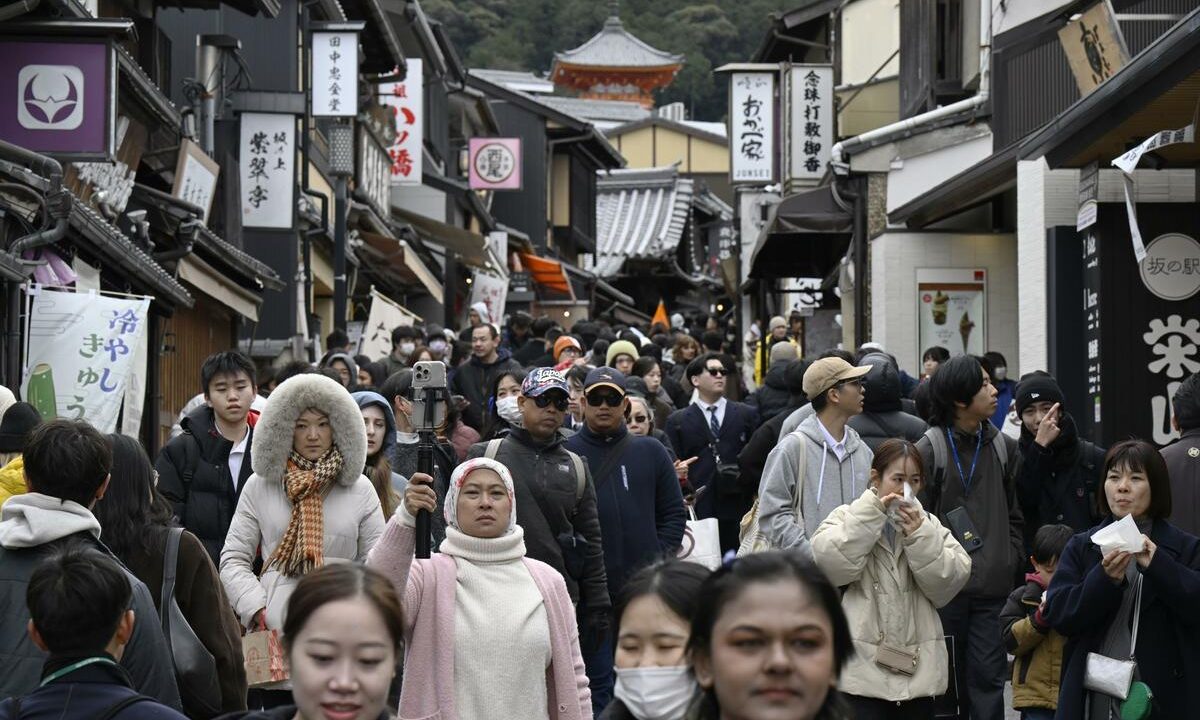
By 2030, Japan plans to roll out overtourism solutions across 100 regions — a scale of intervention that signals just how seriously the country is taking the pressure that millions of annual visitors have placed on its most beloved destinations.
International arrivals to Japan have surged dramatically in recent years, pushing cities like Tokyo, Kyoto, and Osaka to a breaking point. Crowded streets, overwhelmed transit systems, and strained local communities have become familiar complaints from both residents and travellers alike. Japan’s response isn’t to slow tourism down — it’s to spread it out and manage it smarter.
For anyone planning a trip to Japan, this initiative could fundamentally change the experience. Fewer queues, more authentic encounters, and access to corners of the country that most visitors have never considered. Here’s what the plan involves and why it matters for how you travel.
Why Japan Is Rethinking Tourism at a National Scale
The core problem is familiar to anyone who has tried to visit the Fushimi Inari shrine on a summer afternoon or navigate Kyoto’s Arashiyama district during cherry blossom season. The crowds aren’t just inconvenient — they’re damaging. Foot traffic erodes historical sites, local residents lose quality of life, and the travel experience itself becomes less rewarding for everyone involved.
Japan’s new strategy is part of a broader national vision to balance booming tourism numbers with cultural preservation and environmental sustainability. The goal isn’t to turn visitors away but to redirect them — encouraging exploration of rural regions, lesser-known towns, and regional destinations that have the capacity and the character to offer genuinely memorable experiences.
Officials have noted that spreading visitor numbers more evenly across the country serves a dual purpose: it relieves pressure on overtouristed hotspots while simultaneously injecting economic benefit into areas that have historically been bypassed by international travel itineraries.
The 100-Region Plan: What It Actually Involves
The Japanese government’s target is to have overtourism management solutions in place across 100 areas nationwide by 2030. While the full details of implementation will vary by region, the overarching framework is designed to make travel across Japan smoother, safer, and more sustainable.
Key elements of the initiative include:
- Redirecting visitors from overcrowded city centres toward regional and rural destinations
- Protecting local communities and cultural heritage from the adverse effects of mass tourism
- Creating more authentic travel experiences away from the most congested attractions
- Developing infrastructure and visitor management systems in 100 regions by 2030
- Encouraging a more distributed model of tourism that benefits a wider range of communities
| Element | Current Challenge | Planned Approach |
|---|---|---|
| Major Cities (Tokyo, Kyoto, Osaka) | Severe congestion and overcrowding | Visitor flow management and redistribution |
| Rural and Regional Areas | Undervisited, limited tourism revenue | Promotion as alternative destinations |
| Cultural and Historical Sites | Physical damage from foot traffic | Preservation measures and access controls |
| Local Communities | Loss of quality of life from tourism pressure | Community-centred sustainable tourism models |
| National Coverage | Tourism concentrated in a handful of cities | Solutions deployed across 100 regions by 2030 |
What This Means for Travellers Planning a Trip to Japan
If you’re planning a visit to Japan — whether for the first time or the fifth — this initiative has real implications for how you should approach your itinerary.
The most immediate takeaway is opportunity. As Japan actively develops and promotes its regional destinations, travellers who venture beyond the obvious cities will find better infrastructure, warmer receptions from local communities, and experiences that feel genuinely off the beaten path — because they are.
Supporters of the plan argue that this kind of distributed tourism model creates a richer, more rounded picture of Japan. A country that stretches from the subtropical islands of Okinawa to the snowy highlands of Hokkaido has far more to offer than any single city itinerary can capture.
For those who still want to visit Kyoto or Tokyo, the management systems being put in place should make those visits more pleasant — less crowding, better crowd management, and a more considered visitor experience at major attractions.
The plan also signals something important about Japan’s relationship with tourism more broadly. Rather than treating visitors as a number to be maximised, the country is framing tourism as something that must work for residents and travellers equally. That’s a shift in philosophy as much as policy.
The Road to 2030: What Comes Next
The 2030 deadline gives Japan roughly four years to build out this framework across 100 regions. That timeline suggests a phased rollout — with some areas likely further along in implementation than others depending on existing infrastructure and tourism pressure levels.
For travellers, the practical advice is straightforward: start looking beyond the obvious. Japan’s regional destinations — mountain towns, coastal villages, historic castle towns outside the major circuits — are precisely the kind of places this initiative is designed to spotlight.
As the plan takes shape, travellers can expect to see better visitor information, improved regional transport connections, and more structured ways to experience Japan’s hidden gems without the frustration that has come to define peak-season travel in its most popular cities.
The broader ambition is clear: a Japan where tourism strengthens communities rather than straining them, and where every visitor — whether heading to a world-famous shrine or a quiet mountain village — has a better experience because the system was built to handle them well.
Frequently Asked Questions
What is Japan’s overtourism plan?
Japan’s government aims to implement overtourism management solutions across 100 regions nationwide by 2030, with the goal of redistributing visitors away from overcrowded cities and toward regional and rural destinations.
Which cities are most affected by overtourism in Japan?
Tokyo, Kyoto, and Osaka have been specifically identified as cities experiencing significant congestion due to the surge in international visitor arrivals in recent years.
Will this plan affect tourists who want to visit popular attractions?
The plan is designed to improve the visitor experience at major attractions through better crowd management, while also encouraging travellers to explore lesser-known regional destinations.
What kinds of destinations will Japan promote under this initiative?
The initiative focuses on rural regions, hidden gems, and regional destinations across Japan that have historically been bypassed by international travellers but have strong cultural and natural appeal.
When will the 100-region overtourism solution be fully in place?
The Japanese government has set a target of having solutions implemented across 100 regions by 2030, though the specific rollout timeline for individual regions has not been confirmed in detail.
Is Japan trying to reduce the number of tourists visiting the country?
The plan is not about reducing visitor numbers overall, but about distributing tourists more evenly across the country to protect local communities and improve the quality of the travel experience.

Leave a Reply