
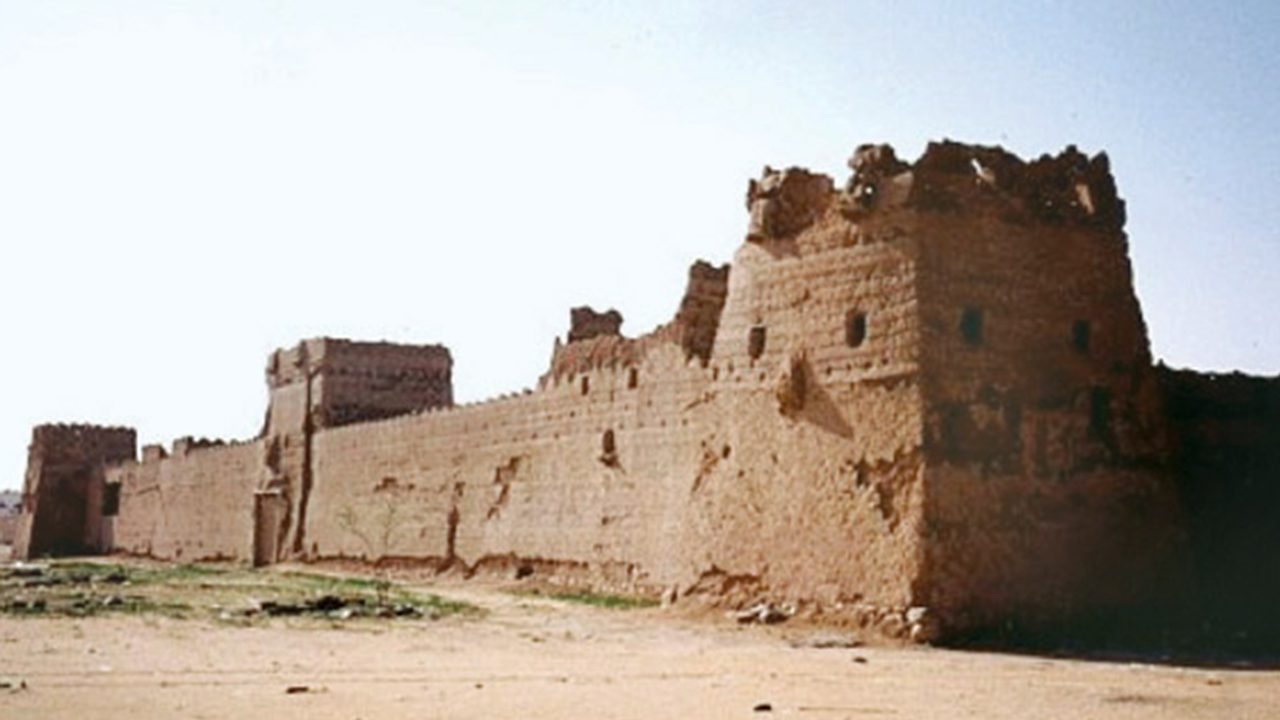
A palace that helped shape the foundations of modern Saudi Arabia is now open to the public — and this Eid Al-Fitr may be the perfect moment to see it for yourself.
The King Abdulaziz Palace in Qibah, situated in Saudi Arabia’s Qassim region, has officially opened its doors to visitors in celebration of Eid Al-Fitr. Built in 1932 — corresponding to 1351 in the Islamic Hijri calendar — the palace once served as a key administrative and security centre during a formative era in the Kingdom’s history. Today, it stands as a carefully preserved landmark and a window into a past that shaped the country millions of people call home.
For anyone looking to spend the holiday season doing something more meaningful than a mall visit, this is a rare opportunity to walk through history in a setting that rarely opens its gates to the general public.
What the King Abdulaziz Palace in Qibah Actually Is
The palace is located in the heart of the Qassim region, one of Saudi Arabia’s most historically significant areas. When it was constructed in 1932, it wasn’t simply a royal residence — it functioned as a working hub for administration and security, reflecting the organisational priorities of the era when the modern Saudi state was still being consolidated.
Over the decades, the site has transitioned from an active centre of governance into a heritage landmark. Its preservation is part of a broader national push to document, protect, and share the physical history of the Kingdom with both Saudi citizens and international visitors.
The initiative bringing this opening to life is being led by the Imam Turki bin Abdullah Royal Reserve Development Authority, working in collaboration with the Heritage Commission and the Qassim Principality. That kind of multi-agency coordination signals how seriously the project is being taken at an institutional level.
What Visitors Can Expect During Eid Al-Fitr
The palace isn’t simply open for walkthroughs. Organisers have built out a full programme designed to make the visit genuinely engaging rather than a passive tour of empty rooms.
- Cultural activities drawing on Saudi heritage traditions
- Educational zones designed to contextualise the palace’s historical role
- Live performances celebrating the culture of the Qassim region and the broader Kingdom
The site is open daily from 3 p.m. to 10 p.m., running through the following Friday from the announced opening date. That evening window makes it accessible for families who may be spending the earlier part of the day with Eid celebrations before heading out for an evening excursion.
| Detail | Information |
|---|---|
| Location | Qibah, Qassim Region, Saudi Arabia |
| Year Built | 1932 (1351 AH) |
| Original Purpose | Administrative and security centre |
| Opening Hours | 3 p.m. – 10 p.m. daily |
| Duration of Event | Until the following Friday from opening |
| Organising Authority | Imam Turki bin Abdullah Royal Reserve Development Authority |
| Collaborating Bodies | Heritage Commission, Qassim Principality |
Why This Matters Beyond a Single Holiday Weekend
Saudi Arabia has been actively expanding its cultural tourism sector in recent years, and openings like this one are part of that larger story. The palace at Qibah represents something specific though — it’s not a newly built attraction or a reconstructed heritage site. It’s an original structure from the early years of the Kingdom, tied directly to the legacy of King Abdulaziz, the founder of modern Saudi Arabia.
For domestic visitors, particularly younger Saudis, it offers a tangible connection to history that textbooks can’t fully replicate. For international tourists, it’s the kind of authentic, site-specific experience that increasingly defines what discerning travellers are looking for when they visit a country.
Officials have noted that this opening reflects the Kingdom’s commitment to preserving its history while simultaneously making that history accessible and relevant. The collaboration between a royal reserve development authority, the national Heritage Commission, and a regional principality also suggests this isn’t a one-off event — it reflects an infrastructure of cultural stewardship that is growing across the country.
The Qassim Region as a Cultural Destination
The Qassim region itself deserves attention as a travel destination in its own right. Historically significant and geographically central within Saudi Arabia, it has often been overshadowed in tourism conversations by Riyadh, Jeddah, or the Red Sea coast. Events like the Eid opening of the King Abdulaziz Palace help shift that narrative.
For travellers already in Saudi Arabia during the Eid period, or for those planning a trip around the holiday, Qassim offers a different kind of experience — one rooted in heritage and regional character rather than urban spectacle.
The evening hours of the palace opening also fit naturally into the rhythms of Eid socialising, when families typically gather and venture out after the heat of the day has passed.
What Comes After the Eid Opening
Whether this becomes a permanent heritage attraction, a seasonally recurring event, or a limited cultural programme has not yet been confirmed in available reporting.
What is clear is that the Imam Turki bin Abdullah Royal Reserve Development Authority’s involvement points to ongoing institutional interest in the site. Given the scale of Saudi Arabia’s broader Vision 2030 tourism ambitions, it would be consistent with national strategy for a site of this significance to remain accessible in some form — but that remains to be formally announced.
For now, the window is open. If you’re in Saudi Arabia this Eid, a visit to Qibah offers something genuinely rare: the chance to stand inside a piece of history that helped build a nation.
Frequently Asked Questions
Where is the King Abdulaziz Palace in Qibah located?
The palace is located in Qibah, within Saudi Arabia’s Qassim region.
When was the King Abdulaziz Palace originally built?
It was built in 1932, which corresponds to 1351 AH in the Islamic Hijri calendar.
What were the visiting hours during the Eid Al-Fitr opening?
The palace is open daily from 3 p.m. to 10 p.m., running through the Friday following the announced opening date.
What can visitors do at the palace during the Eid programme?
Visitors can take part in cultural activities, explore educational zones, and attend performances celebrating Saudi heritage.
Which organisations are behind the opening?
The event is led by the Imam Turki bin Abdullah Royal Reserve Development Authority, in collaboration with the Heritage Commission and the Qassim Principality.
Will the palace remain open to the public after Eid Al-Fitr?
This has not yet been confirmed in available reporting; the announced opening covers the Eid period through the following Friday only.

Leave a Reply