
▶ Read transcript
Here’s what you need to know about the return of international flights to Tel Aviv. As of mid-April 2026, nine foreign airlines have announced plans to resume service to Ben Gurion International Airport, riding a wave of cautious optimism following a fragile US-Iran truce. That truce has shifted the risk math for carriers, particularly around war insurance premiums, making routes that were previously unworkable suddenly viable again. Israel’s national carrier El Al never stopped flying and is now aggressively expanding to 40 global destinations, locking in market share while competitors were absent. Airlines like Etihad, Hainan, and several European carriers are joining the return, but United, Delta, and Air Canada are still holding back, citing unresolved liability and regulatory concerns. The big takeaway here is simple: if you’re planning travel to or from Tel Aviv, check your specific airline’s status directly before booking, because schedules are still shifting fast.
The window is opening — but not for everyone. As of mid-April 2026, nine foreign airlines have announced plans to resume service to Tel Aviv’s Ben Gurion International Airport, signaling a cautious but accelerating return to one of the world’s most politically sensitive aviation markets. The timing is no accident: a fragile US-Iran truce has shifted the calculus for carriers that suspended flights during the height of regional conflict.
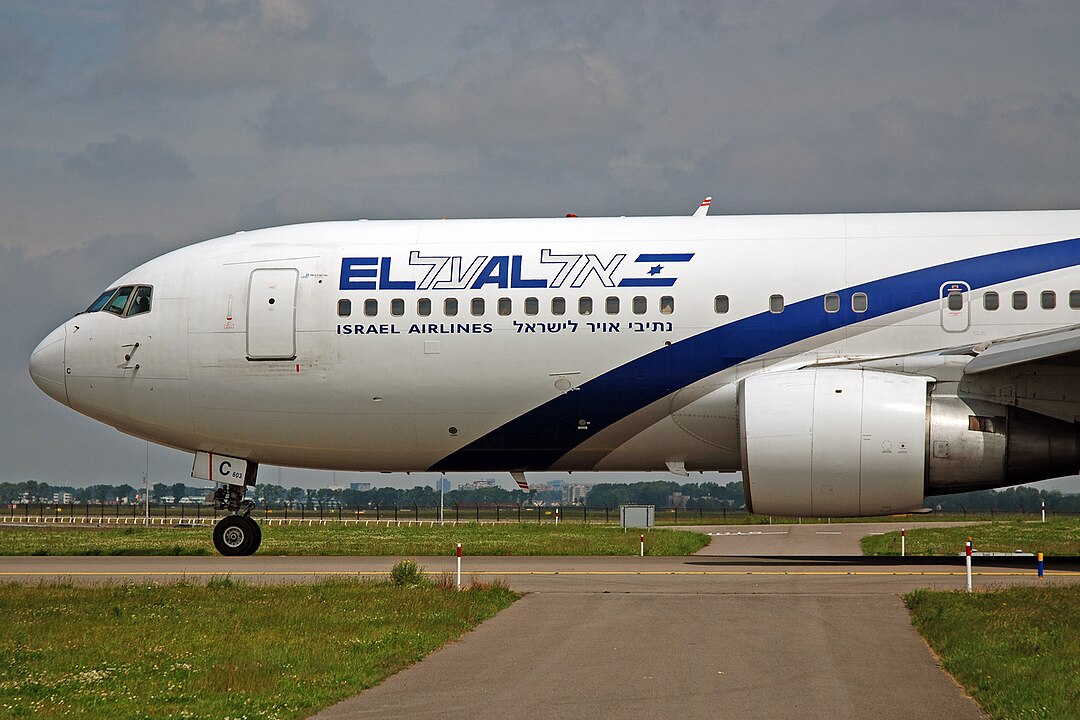
El Al, Israel’s national carrier, is leading the charge. The airline is expanding to 40 destinations globally, adding nine new routes across Europe and the United States. Meanwhile, carriers including Bluebird, ALK, Etihad, TUS Airways, Smartwings, and Hainan Airlines are joining the queue. But three of the world’s largest airlines — United, Delta, and Air Canada — are watching from the sidelines.
That split tells a story worth understanding.
Ben Gurion Airport and the Fragile Aviation Recovery
Ben Gurion International Airport, located outside Tel Aviv, has been at the center of one of commercial aviation’s most difficult chapters. Since the outbreak of conflict in Israel, dozens of international carriers suspended routes citing safety concerns, insurance complications, and regulatory pressure from their home governments.
The airport’s closure to foreign carriers was not total — El Al continued operating throughout much of the conflict period — but the absence of international competition left Israeli travelers with sharply limited options and inflated fares. For a country that depends heavily on air travel for both tourism and business connectivity, the impact was severe.
Now, with a US-Iran truce providing a degree of regional de-escalation, carriers are reassessing. The question is not just whether to return, but when, and at what liability exposure.
| Airline | Country | Status |
|---|---|---|
| El Al | Israel | Resuming — expanding to 40 destinations |
| Etihad Airways | UAE | Resuming this week |
| Hainan Airlines | China | Resuming this week |
| TUS Airways | Cyprus | Resuming this week |
| Smartwings | Czech Republic | Resuming this week |
| Bluebird | Iceland/Europe | Resuming this week |
| ALK Airlines | North Macedonia | Resuming this week |
| United Airlines | USA | Holding back |
| Delta Air Lines | USA | Holding back |
| Air Canada | Canada | Holding back |
Why El Al Is Expanding While Others Wait
El Al’s position is structurally different from any other carrier in this equation. As Israel’s national airline, it has both a commercial and a quasi-diplomatic mandate to maintain connectivity. The airline never fully abandoned its international network, even during the most intense phases of the conflict.
Now it is accelerating. According to reporting from Aviation A2Z, El Al is expanding to 40 global destinations as international airlines rush back to Tel Aviv. The airline is adding nine new flight destinations in Europe and the United States starting next week, per JNS reporting.
That expansion is partly strategic. Every week a competitor is absent from the Tel Aviv market, El Al captures more market share. The airline has strong incentive to normalize operations quickly and lock in passenger loyalty before European and Middle Eastern rivals fully return.
The US-Iran Truce Factor and What It Actually Changed
The timing of this aviation wave is not coincidental. A US-Iran truce, reported by the Times of Israel, has reduced the immediate threat of wider regional escalation. For airlines, that matters enormously. War risk insurance premiums for flights over or near conflict zones can be prohibitive, and a truce — even a fragile one — changes the underwriting environment.
Etihad’s return is particularly significant from a geopolitical optics standpoint. The UAE carrier’s willingness to resume Tel Aviv service reflects the normalization framework established under the Abraham Accords, which formalized UAE-Israel relations. Etihad’s return signals that Gulf carriers view the current security environment as manageable.
Hainan Airlines’ inclusion in the returning group is notable for different reasons. Chinese carriers have been cautious about Middle Eastern routes throughout the conflict period. Hainan’s return suggests Beijing-aligned aviation entities now see commercial opportunity outweighing reputational or security risk.
Why United, Delta, and Air Canada Are Still Grounded
The three North American holdouts share a common profile: large, heavily regulated carriers with significant liability exposure, unionized pilot workforces, and corporate governance structures that require extensive internal sign-off before resuming service to conflict-adjacent destinations.
Pilot unions at major US carriers have historically played an active role in route safety decisions. During the early months of the Israel conflict, pilot associations at several airlines formally objected to flying into Ben Gurion, citing the risk of missile or drone incidents near the flight path. Those objections carry legal and contractual weight that management cannot simply override.
Insurance is the other constraint. War risk coverage for flights into Israel has been expensive and, at certain points, difficult to obtain at any price. Even with a US-Iran truce in place, underwriters may not have fully repriced the risk, leaving carriers like United and Delta in a holding pattern while their actuaries and legal teams complete assessments.
Air Canada faces similar pressures, compounded by Canadian government travel advisories for Israel that have remained at elevated warning levels. Canadian carriers typically align their operational decisions closely with official government guidance, making a resumption harder to justify until advisories are formally downgraded.
“Nine foreign airlines plan to resume Tel Aviv routes this week, amid US-Iran truce.”
— Times of Israel, April 2026
What This Divide Means for Travelers Booking Israel Flights Now
For travelers, the practical implications are immediate. If you are flying to or from Tel Aviv in the coming weeks, your options are expanding but remain uneven. European and Middle Eastern carriers are returning first, meaning connections through hubs like Abu Dhabi, Prague, or Larnaca are becoming more viable.
Direct transatlantic service from the United States remains limited. El Al operates nonstop routes from several US cities, but the absence of United and Delta means fewer options and less competitive pricing on North American departures. Travelers from the US should expect to pay a premium or route through European hubs until the major American carriers return.
The situation also creates an opportunity for smaller carriers. Smartwings, TUS Airways, and Bluebird are not household names for most international travelers, but their willingness to operate when larger competitors hold back gives them a genuine first-mover advantage in rebuilding passenger relationships with the Israeli market.
The Broader Signal for Aviation and Conflict Zone Recovery
The Ben Gurion situation is a case study in how commercial aviation navigates geopolitical risk. There is no single global standard for when a carrier decides a conflict zone is safe enough to serve. The decision is a blend of government advisories, insurance market conditions, union agreements, and corporate risk appetite.
What the current split reveals is that smaller and regional carriers, with lower liability profiles and more nimble decision-making, often return to difficult markets faster than aviation giants. That pattern has appeared before, in post-conflict recoveries from Beirut to Kabul to Kyiv. The majors follow eventually, but the window of early return belongs to the willing.
El Al’s expansion to 40 destinations while the conflict is still technically ongoing is the most striking element of this story. It is a carrier betting on its own country’s future, with all the risk and conviction that implies.
The real question is not whether United, Delta, and Air Canada will return to Ben Gurion. They almost certainly will. The question is whether the airlines that showed up first will have already reshaped the market by the time they do.
Frequently Asked Questions

You Might Also Like

5 Tourism Segments Driving the DR’s $15 Billion Travel Boom
The Dominican Republic's 2026 Miami Trade Show revealed 5 booming tourism segments behind its $15B…
101 Delays Hit Tampa International and Stranded Passengers Are Still Waiting
More than 100 flights were delayed and six were outright cancelled at Tampa International Airport…

Europe’s New Border System Is Stranding Passengers — and Airports Are Blaming Each Other
EasyJet left 122 passengers stranded in Milan as Europe's new EES border system caused mass…
Leave a Reply