
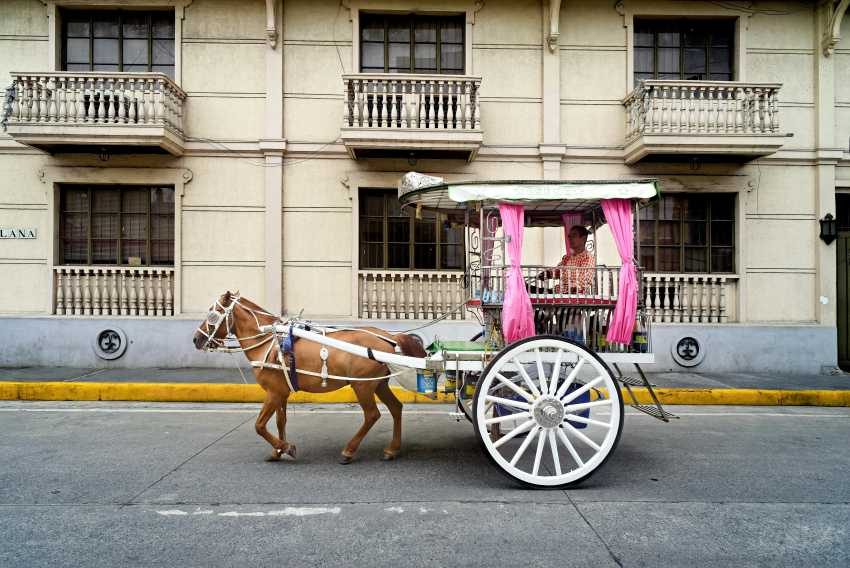
For centuries, the rhythmic clop of horse hooves on cobblestone streets has defined daily life in Laoag City, the capital of Ilocos Norte in the northern Philippines. The kalesa — a two-wheeled, horse-drawn carriage rooted in Spanish colonial tradition — has long been more than just transportation. It is a living emblem of Ilocano identity, craftsmanship, and resilience. Now, that living emblem is getting a carefully considered upgrade.
A new collaboration between the Technical Education and Skills Development Authority (TESDA) and the city government of Laoag is working to modernize the kalesa without stripping it of the cultural soul that makes it worth preserving. The initiative centers on the men who drive these carriages — the kutseros — equipping them with new skills and tools to keep their trade viable in a 21st-century city.
It is a rare kind of story: one where preservation and progress are not at odds, but working in the same direction.
Why the Kalesa Still Matters in Laoag City
The kalesa arrived in the Philippines during the Spanish colonial period and took deep root in cities like Manila, Vigan, and Laoag. While motorized vehicles eventually pushed horse-drawn carriages to the margins of urban life elsewhere, Laoag held on. The kalesa remained a practical and cultural fixture — a mode of transport that tourists and locals alike still rely on for short trips through the city’s heritage streets.
That persistence is not accidental. In Ilocos Norte, the kalesa is tied to local identity in a way that a jeepney or tricycle simply is not. The carriages are handcrafted, often painted in vivid colors, and represent a tradition passed down through generations of kutsero families. To let the kalesa disappear would be to lose something irreplaceable.
But sentiment alone cannot sustain a livelihood. That is the core challenge that the TESDA-Laoag partnership is trying to solve.
What the TESDA-Laoag Partnership Actually Involves
The initiative, driven by TESDA-Ilocos Norte in coordination with the Laoag city government, takes a practical approach to cultural preservation. Rather than simply documenting the kalesa or placing it behind a museum rope, the program focuses on the kutseros themselves — upskilling the drivers to adapt their trade to modern demands.
The strategy combines the charm and authenticity of the traditional kalesa with the tools, knowledge, and standards needed to operate sustainably in a contemporary tourism economy. This means training drivers in areas that go beyond horsemanship, extending into customer service, safety protocols, and the kind of presentation that appeals to both domestic and international visitors.
| Element | Traditional Approach | Modernized Approach |
|---|---|---|
| Driver role | Basic horsemanship and navigation | Trained kutseros with upskilling from TESDA |
| Cultural framing | Everyday local transport | Heritage tourism experience |
| Institutional support | Informal, community-based | Formal partnership with TESDA and city government |
| Sustainability focus | Limited | High-tech and sustainable revival |
The program reflects a broader understanding that preserving a cultural icon in the modern era requires more than goodwill — it requires institutional backing, practical training, and a clear economic model.
The Real-World Impact on Laoag’s Kutseros and Its Tourism Economy
For the kutseros of Laoag, this initiative represents something tangible: a path to a more stable, dignified livelihood. Many of these drivers have inherited their trade from fathers and grandfathers, but they have done so without formal recognition or structured support. The TESDA partnership changes that dynamic by giving them access to certified skills training — the kind that carries weight with employers, tourism operators, and local government alike.
For Laoag’s tourism sector, the benefits extend outward. A modernized kalesa experience — one that is safe, well-presented, and staffed by trained drivers — is a more compelling product for visitors. Heritage tourism is one of the most resilient segments of the travel industry, and the kalesa, properly supported, is exactly the kind of authentic, place-specific experience that draws travelers who are tired of generic itineraries.
The initiative also speaks to a wider question about how Philippine cities manage their cultural assets. Laoag is already recognized for its Spanish-era architecture and UNESCO-listed heritage sites nearby. The kalesa fits naturally into that identity — but only if it is maintained at a standard that matches the city’s broader tourism ambitions.
What Happens Next for the Philippine Kalesa Revival
The TESDA-Laoag collaboration is still in active development, and the full scope of what “high-tech” integration looks like for the kalesa has yet to be fully detailed publicly. What is clear is that the strategic direction has been set: this is not a one-off event or a short-term tourism gimmick. It is a structural effort to future-proof a centuries-old tradition.

Advocates of the program argue that the model could serve as a template for other Philippine cities where traditional transport and cultural heritage are under pressure from modernization. Cities like Vigan, which also has a strong kalesa culture, could potentially look to Laoag’s experience as a reference point.
For now, the steady sound of horse hooves in Laoag is not fading — it is being amplified, thoughtfully and deliberately, by people who understand that some things are worth the effort to keep alive.
Frequently Asked Questions
What is a kalesa?
A kalesa is a traditional two-wheeled, horse-drawn carriage with roots in the Spanish colonial period. It has been a cultural and transport fixture in cities like Laoag in the Philippines for hundreds of years.
Who are kutseros?
Kutseros are the drivers of kalesa carriages. Many come from families where the trade has been passed down across generations, and they are central to the TESDA upskilling initiative in Laoag.
What is TESDA’s role in the kalesa revival?
TESDA-Ilocos Norte is partnering with the Laoag city government to provide kutseros with certified skills training, combining traditional horsemanship with modern standards suited to the tourism economy.
Is this initiative only happening in Laoag?
Based on confirmed information, the initiative is currently centered in Laoag City, Ilocos Norte. Whether it will expand to other cities with kalesa traditions has not yet been confirmed.
How does modernizing the kalesa help preserve it?
By equipping kutseros with formal training and repositioning the kalesa as a sustainable heritage tourism product, the program creates an economic foundation that makes the tradition viable long-term — not just culturally symbolic.
What does “high-tech” mean in the context of the kalesa revival?
The full details of the high-tech components have not yet been publicly confirmed, but the initiative is described as combining the authenticity of the traditional kalesa with modern tools and sustainable practices.


Leave a Reply