
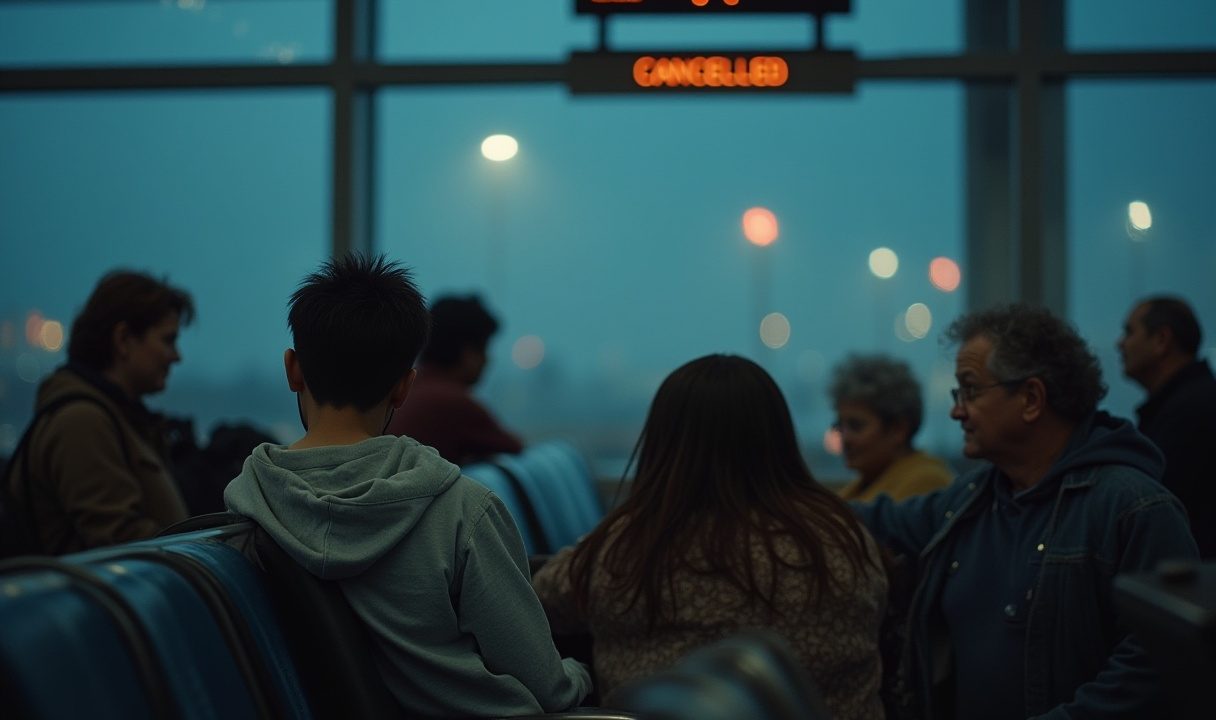
Spring break travel at Long Island airports has turned into a genuine ordeal this year. A combination of seasonal passenger surges and government shutdown pressure on TSA staffing has pushed security wait times to alarming levels at MacArthur Airport, LaGuardia, and Kennedy Airport — and travelers are missing flights as a result.
The situation is more than a minor inconvenience. For families and solo travelers alike, the disruption is forcing a hard rethink of how early to arrive, which programs to enroll in, and whether there are smarter ways to get through security without losing hours of your day standing in line.
If you’re flying out of Long Island this spring, here’s what you need to know before you leave for the airport.
Why TSA Lines at Long Island Airports Are So Bad Right Now
The core problem is a collision of two forces happening at the same time. Spring break season reliably brings one of the heaviest travel surges of the year. Airports that can absorb normal weekday volume get overwhelmed when families, students, and leisure travelers all flood the terminals at once.
Layer a government shutdown on top of that, and you have a staffing crisis at the worst possible moment. TSA officers are federal employees, and when government funding lapses, the agency faces serious pressure — fewer officers available, longer lines per lane, and slower throughput across the board. The result is exactly what Long Island travelers are experiencing right now: unpredictable, extended waits and a real risk of missing your flight even if you arrived what felt like early enough.
MacArthur Airport, LaGuardia, and Kennedy Airport are all affected, though the experience varies by terminal, time of day, and which security lanes happen to be open when you arrive.
Your Best Options for Cutting Through the Security Chaos
There’s no magic solution, but there are concrete steps that make a measurable difference. The most widely recommended starting point is TSA PreCheck.
PreCheck gives enrolled travelers access to dedicated security lanes where the rules are simpler — no removing shoes, no pulling out laptops, no taking off light jackets. That alone dramatically reduces the time each person spends at the screening belt, which speeds up the entire lane. The enrollment process typically takes between three and five days to complete.
Here’s a quick breakdown of the main options available to Long Island travelers dealing with current airport security delays:
| Option | What It Does | Key Benefit |
|---|---|---|
| TSA PreCheck | Dedicated expedited security lanes | No shoes, laptops, or jackets removal required |
| Early Arrival | Building in extra buffer time before flights | Reduces risk of missing flights due to unpredictable waits |
| Off-Peak Departure Times | Choosing flights outside peak morning and afternoon windows | Shorter lines during lower-traffic periods |
| Alternative Airport Routing | Considering nearby airports with lower congestion | Potentially shorter security queues overall |
Who Gets Hit Hardest — and What the Missed Flight Risk Really Means
The travelers most exposed to this disruption are those flying during the peak spring break window without any expedited screening enrollment. That means standard-lane passengers at MacArthur, LaGuardia, and Kennedy who are arriving at what used to be a reasonable two-hour buffer are now finding themselves genuinely at risk of missing departure.
Families with children face a particular challenge. Traveling with kids slows down the security process in ways that are hard to control — more bags, more items to unpack, more chances for a secondary screening flag. In a normal staffing environment, that’s manageable. During a period of reduced TSA capacity and elevated passenger volume, it can be the difference between making your flight and watching it leave without you.
Business travelers and anyone on a tight connection are equally vulnerable. A missed flight isn’t just an inconvenience — it can mean rebooking fees, lost hotel nights, and cascading disruptions across an entire trip itinerary. The financial and logistical cost of getting stuck in a security line adds up fast.
The airports themselves have limited ability to fix this in real time. TSA staffing decisions are made at the federal level, which means passengers largely have to adapt around the constraints rather than waiting for the system to improve on its own timeline.
What to Do Before Your Next Flight Out of Long Island
The most practical step you can take right now is to enroll in TSA PreCheck if you haven’t already. The process takes three to five days, so if you have a spring break flight coming up in the next week or two, starting the application immediately gives you a realistic shot at having it active in time.
Beyond that, the advice is straightforward but worth taking seriously this season: arrive earlier than you think you need to. The unpredictability of TSA wait times during this period means that a buffer that felt safe last year may not be sufficient this spring. If your airline recommends two hours, consider giving yourself two and a half or three, especially if you’re traveling with family or checking bags.
If your schedule allows flexibility, look at whether off-peak departure times — mid-morning or early afternoon rather than the first wave of morning flights — offer shorter security queues. And if you’re not locked into a specific Long Island airport, it’s worth checking whether alternative departure points in the region are experiencing lower congestion on your travel date.
The disruption is real, but it’s manageable with the right preparation. The travelers who get through this spring break season without a nightmare security experience will largely be the ones who planned around the problem before they got to the terminal.
Frequently Asked Questions
Which Long Island airports are affected by the TSA delays?
MacArthur Airport, LaGuardia, and Kennedy Airport have all been identified as experiencing significant TSA wait time disruptions this spring.
What is causing the TSA delays at Long Island airports?
Two factors are driving the problem: the seasonal spring break travel surge and government shutdown pressure on TSA staffing levels, which has reduced the number of officers available to manage security lanes.
How long does TSA PreCheck enrollment take?
The enrollment process typically takes between three and five days to complete, making it worth starting as soon as possible if you have an upcoming flight.
What does TSA PreCheck actually let you skip at security?
PreCheck members use dedicated lanes where they do not need to remove shoes, laptops, or light jackets, which significantly speeds up the screening process.
Is there a guaranteed way to avoid missing a flight during these delays?
There is no guaranteed method, but enrolling in TSA PreCheck, arriving earlier than usual, and considering off-peak departure times all reduce the risk meaningfully.
How long will the TSA delays last?
This has not been confirmed. The delays are tied in part to the government shutdown and the spring break travel peak, both of which have uncertain timelines for resolution.



Leave a Reply