
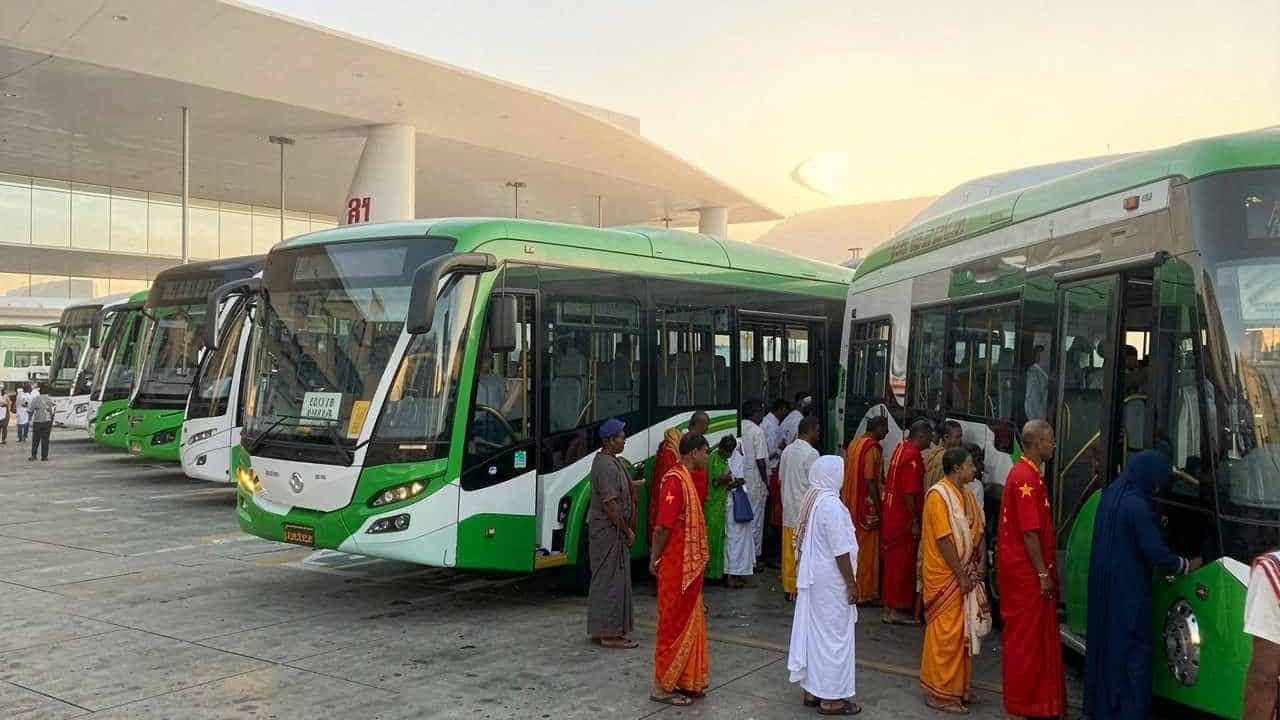
Nepal is making a quiet but significant move that could reshape how the world’s pilgrims travel. The revival of electric bus services in Lumbini — the birthplace of Lord Buddha — is positioning the country as a serious contender for eco-conscious spiritual tourism heading into 2026 and beyond.
Lumbini has long drawn Buddhist pilgrims and curious travelers from across the globe, particularly from India, the United States, and China. But inadequate transport infrastructure has historically been a friction point for visitors. The reintroduction of electric buses is designed to fix that — offering cleaner, quieter, and more efficient movement through one of the world’s most sacred sites.
The timing is deliberate. Sustainability has moved from a travel trend to a genuine deciding factor for millions of international tourists. By aligning Lumbini’s transport system with those values, Nepal is signaling that it wants to compete at the top level of global pilgrimage destinations — not just regionally, but worldwide.
Why Lumbini’s Electric Bus Revival Matters Right Now
Lumbini occupies a unique space in global travel. It is not simply a tourist attraction — it is a UNESCO World Heritage Site and one of the most spiritually significant locations on Earth for over 500 million Buddhists worldwide. The infrastructure surrounding it, however, has not always matched that significance.
The electric bus initiative changes the equation. Rather than relying on fossil-fuel vehicles that generate noise and emissions inside a site meant for quiet reflection, the revived service offers a mode of transport that respects both the environment and the spiritual atmosphere of the destination.
For Nepal’s broader tourism strategy, this matters enormously. International travelers — especially those from India, the USA, and China, which are among the world’s largest sources of outbound tourists — are increasingly choosing destinations that demonstrate genuine environmental commitment. An electric transport network at a UNESCO-listed pilgrimage site sends exactly that message.
What the Electric Bus Service Actually Offers
The electric buses are intended to provide efficient, low-emission connectivity for visitors moving through the Lumbini development zone. The site itself is expansive, with monasteries, temples, and sacred gardens spread across a wide area — making reliable internal transport a practical necessity, not a luxury.
| Feature | Detail |
|---|---|
| Transport Type | Electric buses |
| Location | Lumbini, Nepal (birthplace of Lord Buddha) |
| Site Status | UNESCO World Heritage Site |
| Primary Visitor Markets | India, USA, China |
| Environmental Benefit | Zero direct emissions within the sacred site |
| Strategic Timing | Aligned with 2026 tourism growth targets |
For visitors, the practical benefits are straightforward. Electric buses reduce wait times, eliminate the exhaust fumes that can make outdoor pilgrimage uncomfortable, and operate more quietly — preserving the meditative quality that draws people to Lumbini in the first place.
Who This Affects — and How
The ripple effects of this initiative extend well beyond the buses themselves. Airlines that operate routes into Nepal — particularly those serving Bhairahawa’s Gautam Buddha International Airport, which serves the Lumbini region — stand to benefit from increased passenger demand if the destination grows in international appeal.
Hospitality providers in and around Lumbini are similarly positioned to gain. A more accessible, environmentally credible pilgrimage site attracts longer stays, higher spending, and repeat visits. Pilgrims who once found the logistics too cumbersome may now reconsider.
Local communities also have a stake in this. Sustainable tourism, when managed well, tends to distribute economic benefits more broadly than conventional mass tourism. Electric transport infrastructure signals the kind of long-term investment that can anchor a destination’s reputation for decades.
For travelers themselves — whether motivated by faith, cultural curiosity, or simply a desire to visit one of humanity’s most historically significant sites — the improved transport experience makes Lumbini a more viable choice in an increasingly competitive global pilgrimage market.
- Fossil-fuel vehicles generated noise and emissions inside the sacred pilgrimage zone, disrupting the meditative atmosphere.
- Limited transport options made navigating the expansive site difficult for international visitors.
- Nepal competed regionally but lacked a strong eco-tourism credential to attract sustainability-focused travelers.
- Electric buses provide zero direct emissions and quieter travel through UNESCO-listed sacred grounds.
- Efficient internal transport connects monasteries, temples, and sacred gardens across the wide Lumbini development zone.
- Nepal positions itself as a top eco-conscious pilgrimage destination for visitors from India, the USA, and China.
What Nepal Is Betting On for 2026
The electric bus revival is part of a broader strategic push. Nepal appears to be building toward a 2026 in which Lumbini functions not just as a regional draw but as a globally recognized pilgrimage destination capable of competing with established sites in India, the Middle East, and Southeast Asia.
The logic is sound. Sustainability is no longer a niche concern — it is a mainstream travel priority. Pilgrimage tourism, by its nature, attracts visitors with deep motivation and often significant spending power. Combining those two forces with a UNESCO-listed site and improved infrastructure creates a compelling offer for the international market.
Whether Nepal can fully capitalize on this moment will depend on factors beyond the buses themselves — including accommodation quality, air connectivity, and broader government support for tourism development. But the electric bus revival represents a meaningful and visible step in the right direction.
The question now is whether the rest of Nepal’s tourism ecosystem can move as decisively as Lumbini’s transport planners appear to have done.
Frequently Asked Questions
What is the Lumbini electric bus revival?
It refers to the reintroduction of electric bus services in Lumbini, Nepal, designed to provide eco-friendly and efficient transport for visitors to the birthplace of Lord Buddha.
Why is Lumbini significant for international travelers?
Lumbini is a UNESCO World Heritage Site and the birthplace of Lord Buddha, making it one of the most important pilgrimage destinations for Buddhists and cultural travelers worldwide.
Which countries are expected to send the most visitors to Lumbini?
India, the USA, and China are identified as major source markets for international visitors to Lumbini.
How do electric buses benefit the pilgrimage experience?
Electric buses produce zero direct emissions and operate more quietly than fossil-fuel vehicles, preserving the meditative atmosphere of the sacred site while improving visitor mobility.
Will this initiative affect airlines and hotels in Nepal?
Supporters of the initiative suggest that a more accessible and eco-credible Lumbini could drive increased demand for flights and accommodation in the region, benefiting airlines and hospitality providers.
Is there a confirmed timeline for full implementation of the electric bus service?
Specific implementation dates have not yet been confirmed in available reporting, though the initiative is framed around Nepal’s 2026 tourism ambitions.


Leave a Reply