
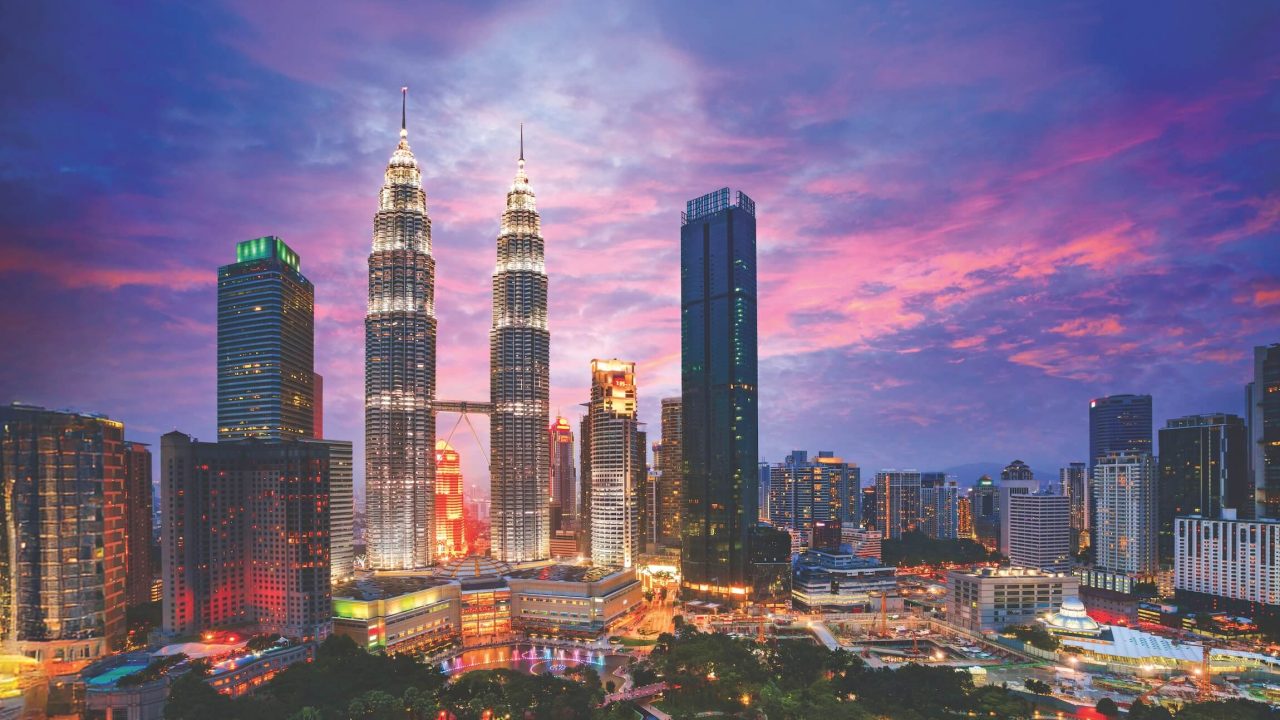
Global instability is quietly reshaping where people choose to fly — and Malaysia is paying close attention. As tensions in West Asia grow and aviation corridors between Europe, North America, and Asia face increasing disruption, Malaysia is rethinking how it attracts visitors ahead of its flagship Visit Malaysia 2026 (VM2026) campaign.
The country’s response isn’t panic — it’s a deliberate strategic pivot. Rather than waiting to see how long-haul travel recovers, Malaysian tourism planners are recalibrating around what they can control: stronger short-haul connectivity, deeper cultural experiences, and a more sustainable model of growth that doesn’t depend entirely on distant markets.
For travellers across Asia and beyond, the shift signals something worth watching. Malaysia isn’t just adjusting its marketing. It’s rethinking the kind of destination it wants to be.
Why Geopolitical Tensions Are Changing the Tourism Equation
The immediate pressure point is West Asia. Growing instability in the region has begun interfering with major aviation corridors that connect Europe and North America to Southeast Asia. For Malaysia, this matters enormously — a significant share of its long-haul visitors travel through Middle Eastern transit hubs, and disruption along those routes translates directly into fewer arrivals or steeper travel costs.
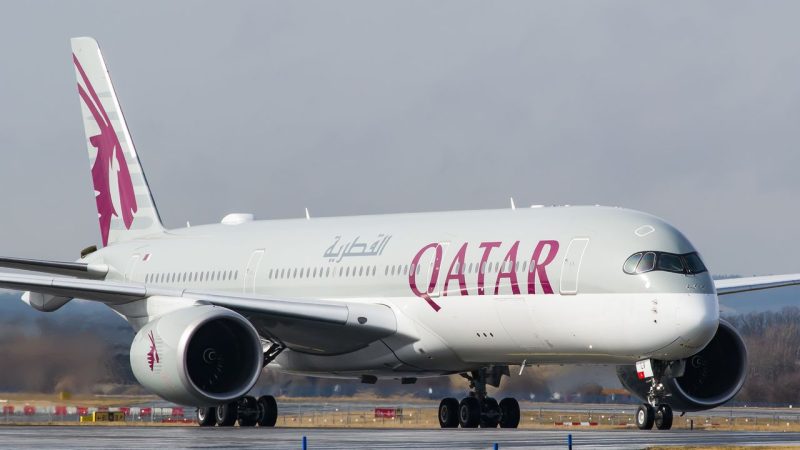
Airlines have already started rerouting flights to avoid restricted airspace. The knock-on effects are predictable: longer journey times, higher fuel consumption, and increased fares passed on to travellers through surcharges. When a long-haul trip becomes noticeably more expensive and time-consuming, some travellers simply choose not to make it.
For a country building toward an ambitious tourism target under VM2026, that’s a real vulnerability. The strategy now is to reduce dependence on those fragile long-haul flows — without abandoning them entirely.
Malaysia’s Three-Part Pivot: Short-Haul, Culture, Sustainability
Malaysia’s revised approach rests on three interconnected pillars, each designed to make the country more resilient against external shocks while also making it a more compelling destination in its own right.
- Short-haul connectivity: Malaysia is focusing on strengthening air and travel links with its nearest neighbours across Southeast and East Asia. These markets are less exposed to the Middle Eastern corridor disruptions and represent a large, growing base of travellers who can reach Malaysia quickly and affordably.
- Cultural immersion: Rather than competing purely on beaches or luxury resorts, the strategy leans into Malaysia’s genuine diversity — its mix of Malay, Chinese, Indian, and indigenous cultures, its food, its festivals, and its heritage sites. The goal is to offer experiences that travellers can’t easily replicate elsewhere in the region.
- Sustainable growth: The redesign also incorporates a longer-term lens on sustainability, recognising that chasing raw visitor numbers without managing their environmental and social impact is a short-term approach that can damage the very attractions drawing people in the first place.
Together, these three pillars represent a more defensive but ultimately more durable model — one built to weather geopolitical uncertainty rather than be derailed by it.
What This Means for the Visit Malaysia 2026 Campaign
VM2026 remains the centrepiece of Malaysia’s near-term tourism ambitions, but its framing is evolving. The campaign was originally built around projecting Malaysia as a world-class destination capable of drawing visitors from across the globe. That ambition hasn’t disappeared, but the emphasis is shifting.
| Tourism Focus Area | Previous Approach | Revised Approach Under VM2026 |
|---|---|---|
| Market Priority | Broad global long-haul focus | Short-haul regional markets prioritised |
| Connectivity | Reliant on Middle Eastern transit hubs | Strengthening direct regional air links |
| Experience Offering | General tourism appeal | Deeper cultural immersion experiences |
| Growth Model | Volume-driven visitor targets | Sustainable, quality-focused growth |
| Risk Management | Limited contingency for route disruption | Reduced dependence on vulnerable corridors |
The recalibration reflects a broader lesson that many tourism-dependent economies are learning simultaneously: over-reliance on a single type of visitor or a single travel corridor is a structural risk, not just a logistical one.
Who Feels This Most — Travellers, Airlines, and Local Communities
The practical consequences of this shift ripple outward in several directions.
For long-haul travellers from Europe or North America who had been planning trips to Malaysia, the reality is that flights may already cost more and take longer than they did a year ago. Rerouted flights avoid the disrupted airspace but add hours to journeys and fuel costs to tickets. Malaysia remains reachable, but the friction has increased.
For regional travellers across Asia — from Singapore, Thailand, South Korea, Japan, China, and beyond — the picture is actually more favourable. Malaysia is actively working to make itself easier and more attractive to reach from nearby markets, which could mean better flight options and more targeted experiences designed for shorter stays.
For local communities and tourism businesses, the sustainability angle of the new strategy matters most. A shift toward quality over quantity — fewer but higher-spending visitors, more culturally engaged itineraries — can reduce the strain on popular sites while improving economic returns for operators who invest in authentic experiences.
Airlines operating regional routes into Kuala Lumpur and other Malaysian gateways are likely to see increased attention and potentially increased capacity as the government works to bolster short-haul connections.
What Comes Next for Malaysia’s Tourism Strategy
With VM2026 approaching, the immediate priority is execution. The strategic direction has been identified — the harder work is translating that into tangible changes in how Malaysia is marketed, how its airports and transport links function, and how tourism products on the ground are packaged and presented.
Officials have noted that the geopolitical environment remains fluid, and Malaysia’s strategy will need to remain adaptable. If West Asian tensions ease and long-haul corridors stabilise, the country will be well-positioned to benefit from both regional and global demand. If disruptions deepen, the pivot toward short-haul markets provides a meaningful buffer.
The broader direction — cultural depth, regional connectivity, sustainable growth — is unlikely to reverse regardless of how the geopolitical picture evolves. These are qualities that strengthen a destination over time, not just during a crisis.
Frequently Asked Questions
What is Visit Malaysia 2026?
Visit Malaysia 2026 (VM2026) is Malaysia’s national tourism campaign designed to significantly boost international visitor arrivals to the country.
Why is Malaysia changing its tourism strategy now?
Growing instability in West Asia has begun disrupting major aviation corridors that link Europe and North America to Asia, affecting flight routes and raising travel costs for long-haul visitors to Malaysia.
How are airlines responding to the West Asia tensions?
Airlines have begun rerouting flights to avoid restricted airspace in the region, which increases journey times and fuel costs — expenses that are being passed on to travellers through higher fares and surcharges.
What does the short-haul connectivity focus mean for travellers?
Malaysia is prioritising stronger travel links with nearby Asian markets, which could mean more direct flight options and experiences tailored to regional visitors who can reach the country quickly and affordably.
Will long-haul visitors still be welcomed under the new strategy?
Yes — the strategy reduces dependence on long-haul markets rather than abandoning them. If global aviation corridors stabilise, Malaysia aims to benefit from both regional and international demand simultaneously.
What does sustainable tourism growth mean in this context?
Rather than chasing the highest possible visitor numbers, Malaysia’s revised approach focuses on quality experiences and managing environmental and social impact to protect the attractions that draw travellers in the first place.


Leave a Reply