
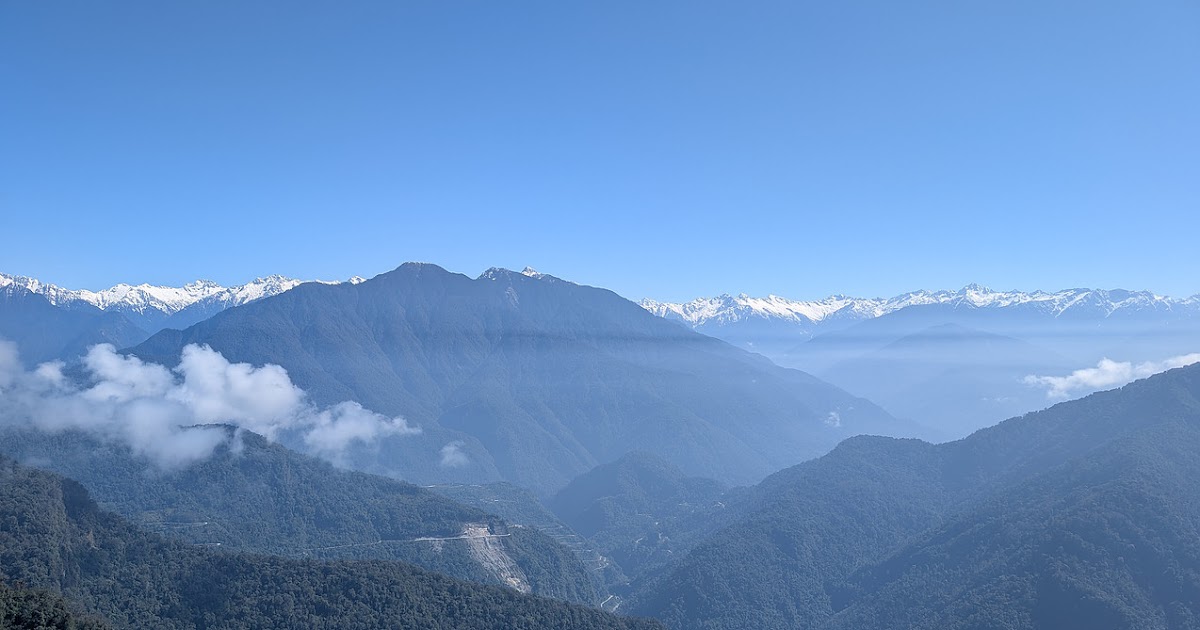
Tucked into the northeastern edge of India at approximately 2,655 metres above sea level, Mayodia Pass is quietly becoming one of the country’s most talked-about winter destinations — and most travelers outside the region have never heard of it.
Located in the Lower Dibang Valley district of Arunachal Pradesh, this high mountain pass transforms dramatically during the cold months. Heavy snowfall blankets the surrounding landscape, turning the area into a striking visual contrast against the lush, biodiversity-rich terrain that defines much of India’s northeastern Himalayas. For many visitors, it offers something rare: a genuine snow experience without the crowds or the long journey that destinations like Manali or Gulmarg typically demand.
Interest in offbeat and adventure travel has been rising steadily across India, and Mayodia is riding that wave. Local authorities and tourism stakeholders have taken notice, recognizing the pass as a real economic asset — one capable of drawing visitors from neighboring states and fueling growth in a region that has long been overlooked on mainstream travel maps.
What Makes Mayodia Pass So Unusual
Mayodia sits within Arunachal Pradesh, India’s largest state by area in the northeast — a region that borders China, Bhutan, and Myanmar, and remains one of the least-visited corners of the country despite its extraordinary natural character. The pass itself derives its name from local tradition, though its modern reputation is being built almost entirely by word of mouth and social media imagery.
What sets Mayodia apart from better-known Himalayan passes is its accessibility relative to its altitude. At 2,655 metres, it receives consistent and heavy snowfall during winter months without requiring the kind of extreme trekking or technical preparation that higher-altitude destinations demand. That makes it genuinely reachable for travelers who want a snow experience but aren’t seasoned mountaineers.
The landscape surrounding the pass also benefits from the ecological richness of the eastern Himalayas — a biodiversity hotspot that supports dense forests, rare bird species, and river systems that feed much of South and Southeast Asia. Even outside winter, the area holds real appeal for nature-focused travelers.
Mayodia Pass at a Glance: Key Facts for Travelers
| Feature | Detail |
|---|---|
| Location | Lower Dibang Valley district, Arunachal Pradesh, India |
| Altitude | Approximately 2,655 metres above sea level |
| Primary draw | Heavy winter snowfall and mountain landscapes |
| Visitor profile | Travelers from nearby states and beyond seeking offbeat snow destinations |
| Regional setting | Northeastern Himalayas, within a recognized biodiversity zone |
| Tourism status | Emerging destination with growing local and state-level attention |
- Mayodia is categorized as an offbeat and adventure travel destination — it appeals to travelers specifically looking to move beyond mainstream routes.
- The pass is increasingly recognized not just for its scenic value, but for its economic potential in a region where tourism infrastructure has historically been limited.
- Snow-clad terrain during winter months is the primary visitor draw, with the landscape offering dramatic visual appeal that has helped spread awareness organically online.
- Local authorities and tourism stakeholders are actively aware of the destination’s growing profile and are considering its role in broader regional development.
Why This Matters Beyond the Pretty Pictures
Arunachal Pradesh has long struggled to attract the kind of sustained tourist attention its natural and cultural wealth deserves. Strict inner-line permit requirements, limited connectivity, and a lack of mainstream promotion have kept visitor numbers modest compared to other Himalayan states. Mayodia’s rising profile represents something meaningful in that context.
When a destination like this gains organic traction — driven by travelers sharing images and experiences rather than top-down marketing campaigns — it creates a different kind of momentum. Local economies benefit through accommodation, food, transport, and guiding services. Communities that have seen little direct return from the region’s natural assets begin to see real economic activity.
Tourism stakeholders in the area are increasingly treating Mayodia not as a seasonal curiosity but as a foundation for longer-term development. The challenge, as with many emerging destinations, will be managing that growth in a way that doesn’t degrade the very qualities drawing people there in the first place.
The Broader Shift Toward Offbeat Travel in India
Mayodia’s emergence fits into a recognizable national pattern. Indian travelers — particularly younger, urban visitors — have shown a growing appetite for destinations that feel undiscovered. The social media visibility of places like Mayodia accelerates that cycle: striking imagery draws attention, attention draws visitors, and visitor numbers begin to justify investment in access and infrastructure.
For Arunachal Pradesh specifically, this moment carries added significance. The state’s northeastern location has meant it often falls outside the planning horizon of both domestic and international travelers. A destination that generates genuine excitement — and delivers on what it promises visually — can shift that perception in ways that years of conventional promotion cannot.
Officials and local tourism bodies have noted the pass’s value in offering visitors a snow experience closer to home, reducing the need to travel to more distant or expensive destinations. That practical appeal, combined with the region’s ecological richness, gives Mayodia a compelling case as more than just a winter novelty.
What the Road Ahead Looks Like for Mayodia
The immediate trajectory for Mayodia Pass appears tied closely to how regional authorities respond to its growing visibility. Investment in access roads, basic visitor facilities, and safety infrastructure during winter months will determine whether the destination can convert curiosity into consistent arrivals.
There is also a broader conversation to be had about sustainable tourism in ecologically sensitive areas. The eastern Himalayas are among the world’s most biologically diverse regions, and the ecosystems surrounding Mayodia are not immune to the pressures that unchecked tourism can bring. How that balance is managed will shape whether Mayodia becomes a model for responsible development in the northeast — or a cautionary tale.
For now, the pass remains a destination in the early stages of its public life — known enough to be on travelers’ lists, but still raw enough to feel genuinely off the beaten track.
Frequently Asked Questions
Where exactly is Mayodia Pass located?
Mayodia Pass is located in the Lower Dibang Valley district of Arunachal Pradesh, in northeastern India.
How high is Mayodia Pass?
The pass sits at approximately 2,655 metres above sea level, making it accessible without requiring extreme mountaineering preparation.
What is the best time to visit Mayodia for snow?
The source confirms that heavy snowfall occurs during the cold winter months, though specific month-by-month conditions have not been detailed in available reporting.
Why is Mayodia Pass becoming popular now?
Growing interest in offbeat and adventure travel, combined with organic social media visibility, has brought Mayodia increasing attention from travelers seeking snow experiences beyond mainstream Himalayan destinations.
Is Mayodia suitable for all types of travelers?
Based on available information, the pass is positioned as an offbeat destination appealing primarily to adventure and nature-focused travelers; specific accessibility details for all visitor types have not been confirmed.
Are there tourism facilities at Mayodia Pass?
Local authorities and tourism stakeholders are aware of the destination’s growing value, but detailed information about current infrastructure and facilities has not been confirmed in available reporting.


Leave a Reply