
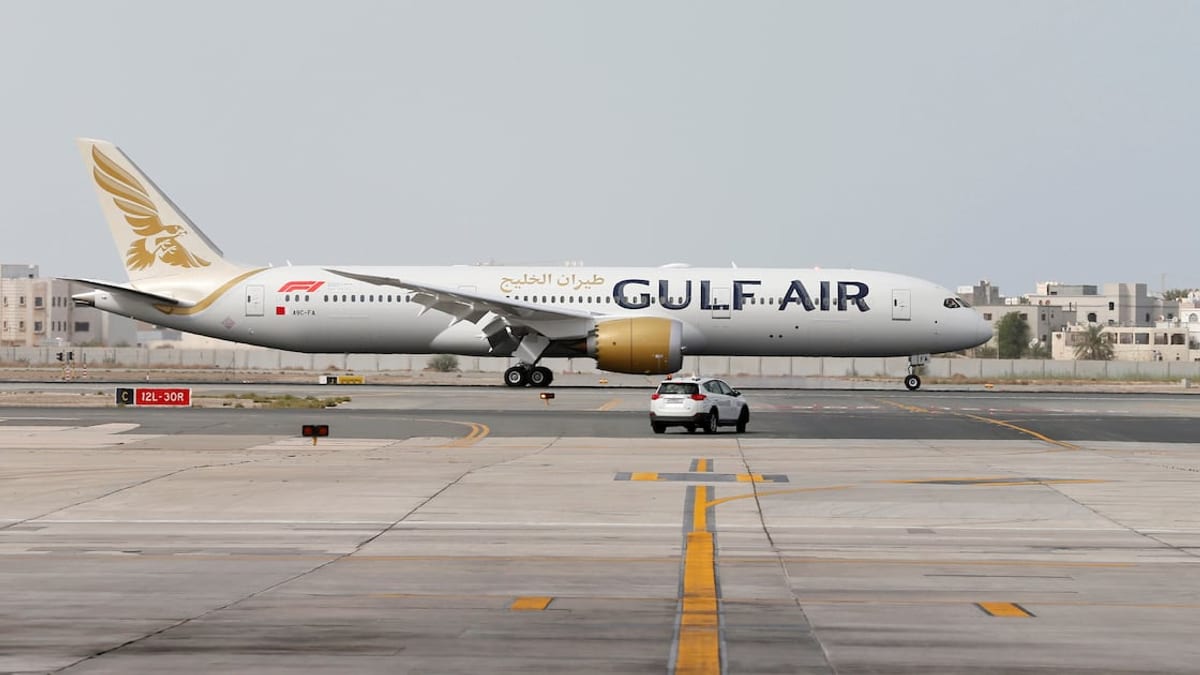
Since the end of February 2026, airspace over the Middle East has been severely restricted following military strikes on Iran — and the ripple effects are being felt by millions of travelers worldwide. Flights are being cancelled, rerouted, and delayed at a scale that is reshaping global aviation in real time.
The airlines most directly hit — Qatar Airways, Emirates, and Etihad Airways — are three of the world’s busiest long-haul carriers. Together, they serve as critical bridges connecting Europe, Asia, and the Americas. When their operating environment is thrown into chaos, the consequences don’t stay regional. They spread across every continent their routes touch.
If you have a flight booked through the Gulf region, or you’re trying to understand why your connection was cancelled or delayed, here’s what the situation actually looks like right now.
What Triggered the Middle East Airspace Crisis
The current disruptions trace back to military strikes on Iran that began in late February 2026. The immediate military activity prompted aviation authorities to restrict access to significant portions of Middle Eastern airspace, forcing airlines to make rapid and costly operational changes.
The European Union Aviation Safety Agency (EASA) responded by issuing a conflict zone information notice, signaling to airlines across Europe and beyond that the region posed elevated risks to civil aviation. That kind of official safety advisory carries real weight — it effectively puts carriers on notice that flying through affected corridors could expose aircraft and passengers to danger.
For Gulf carriers like Emirates, Qatar Airways, and Etihad, which rely on those very corridors as the backbone of their global networks, the restrictions weren’t a minor inconvenience. They were a fundamental challenge to how these airlines operate every single day.
How Qatar Airways, Emirates, and Etihad Are Managing Right Now
All three major Gulf carriers have gradually resumed services since the initial disruptions began, but none of them is operating normally. Stringent restrictions remain in place, and airlines are navigating a highly fluid situation that can change with little warning.
The practical impact on day-to-day operations has been significant. Passengers traveling on routes that pass through or near restricted airspace are encountering:
- Frequent flight delays with limited advance notice
- Outright cancellations on certain routes
- Rerouted itineraries that add hours to journey times
- Significant uncertainty around whether booked flights will operate as scheduled
Routes connecting Europe, Asia, and the Americas have been particularly affected. These are among the most heavily trafficked flight paths in the world, and the Gulf carriers sit at the center of them. Disruptions here don’t just inconvenience passengers flying to Dubai or Doha — they affect travelers whose journeys simply pass through those hubs on the way somewhere else entirely.
The Airlines, the Routes, and the Scale of Disruption
| Airline | Hub | Key Affected Route Types | Current Status |
|---|---|---|---|
| Emirates | Dubai (DXB) | Europe–Asia, Europe–Australasia, Americas–Asia | Partially resumed with restrictions |
| Qatar Airways | Doha (DOH) | Europe–Asia, Africa–Asia, Americas connections | Partially resumed with restrictions |
| Etihad Airways | Abu Dhabi (AUH) | Europe–Asia, Indian Subcontinent routes | Partially resumed with restrictions |
The restrictions have been in place since late February 2026, meaning that by the time of this report, travelers have been dealing with an unstable situation for several weeks — with no confirmed end date in sight.
What This Means for Travelers Booked on These Routes
If you have upcoming travel involving any of these three carriers, or any itinerary routing through Gulf hub airports, the most important thing you can do right now is stay closely connected to your airline’s communications.
The situation remains fluid. What is confirmed today about your flight could change tomorrow. Passengers have already experienced sudden cancellations and last-minute rerouting, and that pattern appears likely to continue as long as airspace restrictions remain in force.
Practically speaking, travelers should:
- Check their airline’s app and email notifications daily in the lead-up to departure
- Review the airline’s rebooking and cancellation policies — many carriers have introduced flexible fare policies during conflict-related disruptions
- Allow extra time when connecting through affected hub airports, since delays on inbound legs can cascade through entire itineraries
- Consider travel insurance that specifically covers disruptions caused by airspace closures or conflict zone advisories
- Monitor updates from EASA and national aviation authorities for the latest safety guidance
The financial and logistical burden on passengers has been real. Missed connections, last-minute hotel stays, and rebooking fees are among the costs travelers are absorbing as airlines work to manage an unpredictable operating environment.
What Comes Next for Middle East Airlines and Global Travel
The path forward depends almost entirely on how the broader geopolitical situation around Iran and the wider Middle East region develops. Aviation authorities, including EASA, will continue to monitor conditions and update their guidance accordingly.
Gulf carriers have demonstrated resilience during past regional crises — the Qatar blockade of 2017 being a notable example — and they have the operational scale to adapt over time. But adaptation takes time, and in the short term, passengers bear much of the uncertainty.
Airlines are working to restore as much of their normal schedule as restrictions allow, but observers note that as long as significant portions of Middle Eastern airspace remain off-limits, full operational recovery is not possible. The situation as of late March 2026 remains one of ongoing disruption, gradual partial resumption, and persistent uncertainty.
For global travelers, the message is clear: the Middle East airspace crisis is not a brief blip. It is an ongoing disruption that requires active monitoring and flexible planning for anyone with travel in the region — or through it — in the weeks ahead.
Frequently Asked Questions
Which airlines are most affected by the Middle East airspace disruptions?
Qatar Airways, Emirates, and Etihad Airways are the three major carriers most directly impacted, as they rely heavily on Middle Eastern airspace for their global route networks.
When did the Middle East airspace restrictions begin?
The restrictions were put in place following military strikes on Iran at the end of February 2026.
Are flights through Gulf hub airports currently operating?
Yes, but only partially. All three major Gulf carriers have gradually resumed services while operating under stringent restrictions, meaning delays, cancellations, and rerouting remain common.
Has any official aviation body issued warnings about the affected airspace?
Yes. The European Union Aviation Safety Agency (EASA) issued a conflict zone information notice in response to the situation.
How long will the disruptions last?
A confirmed end date has not been established. The situation remains fluid and depends on developments in the broader regional conflict.
What should travelers do if their flight is affected?
Travelers should monitor communications from their airline closely, review rebooking and cancellation policies, and consider travel insurance that covers conflict-related airspace disruptions.



Leave a Reply