
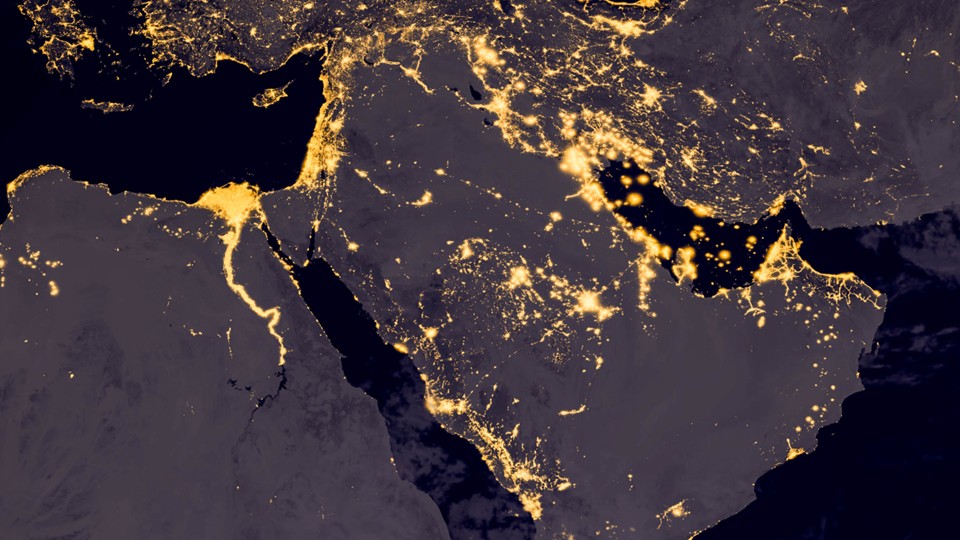
Escalating tensions across the Middle East are no longer just a regional crisis — they are reshaping how millions of people around the world travel, and more critically, how patients reach the medical care they desperately need. Countries as far apart as South Africa, India, Germany, the United Kingdom, Singapore, Nigeria, and Thailand are all feeling the pressure as conflicts in Qatar, Saudi Arabia, the UAE, and Iraq disrupt the air corridors that connect much of the world.
For most travelers, a disrupted flight means a delay or a rebooking headache. But for patients traveling internationally for medical treatment, the consequences are far more serious. When routes close and costs spike, treatment timelines collapse — and for people managing serious conditions, timing is everything.
The ripple effects from Middle Eastern airspace disruptions are spreading faster and wider than many anticipated, touching not just leisure travel but the fragile infrastructure of global medical tourism.
Why the Middle East Sits at the Center of Global Air Travel
The Middle East is not just a destination — it is a crossroads. For passengers flying between Africa and Asia, between Europe and South Asia, or between Southeast Asia and the Americas, hub airports in the Gulf region serve as essential transit points. Airlines route millions of passengers through these hubs every year precisely because of their geographic efficiency.
When conflicts destabilize airspace in countries like Qatar, Saudi Arabia, the UAE, and Iraq, those transit pathways become unreliable or unusable. Airlines are forced to reroute flights over longer distances, adding hours to journey times and significant costs to operations. Those costs get passed on to passengers — including patients who have no choice but to travel for care they cannot access at home.
The disruption is not theoretical. Flight cancellations are happening, routes are being altered, and the financial burden on travelers is growing in real time.
Which Countries Are Bearing the Brunt of These Travel Challenges
The list of affected nations spans multiple continents, reflecting just how central Middle Eastern air corridors are to global connectivity. The countries currently facing the most significant travel challenges include:
- South Africa — heavily reliant on Gulf transit routes for connections to Asia and parts of Europe
- India — one of the world’s largest sources of outbound medical tourists, with many routes transiting the Gulf
- Germany — a major origin country for medical travelers and a destination for patients from multiple regions
- United Kingdom — facing increased costs and rerouting on long-haul flights that pass through affected airspace
- Singapore — a regional medical hub whose patient flows depend on stable connecting routes
- Nigeria — a country where many patients travel abroad for specialist care, often transiting Gulf hubs
- Thailand — a leading medical tourism destination whose international patient pipeline is under strain
| Country | Primary Travel Challenge | Medical Travel Impact |
|---|---|---|
| South Africa | Disrupted Gulf transit routes | Delayed access to overseas medical facilities |
| India | Flight cancellations and higher fares | Outbound medical patients facing route uncertainty |
| Germany | Rerouted long-haul connections | Increased costs for international patient transfers |
| United Kingdom | Airspace restrictions and delays | Longer travel times affecting treatment schedules |
| Nigeria | Limited affordable routing options | Patients struggling to reach specialist care abroad |
| Thailand | Reduced inbound patient volumes | Medical tourism revenue and capacity under pressure |
| Singapore | Connecting route instability | Regional medical hub facing reduced patient flow |
The Human Cost: Medical Tourism Under Pressure
Medical tourism is one of the most time-sensitive forms of international travel. Patients are not rescheduling a holiday — they are managing surgery dates, chemotherapy cycles, specialist consultations, and post-operative care plans that depend on precise timing. When air routes become unreliable, those plans unravel.
The disruptions are creating three compounding problems for patients. First, flight cancellations mean appointments are missed and procedures are postponed, sometimes with serious health consequences. Second, longer rerouted journeys place additional physical strain on patients who may already be in fragile health. Third, higher travel costs are pricing some patients out of care they had budgeted and planned for months in advance.
For countries like Nigeria and South Africa, where patients often travel to India, Thailand, or Germany for specialist treatment unavailable at home, the situation is particularly acute. The Gulf hub model that made affordable international medical travel possible is now the very vulnerability being exposed.
Observers note that medical travel infrastructure — built over decades on the assumption of stable, affordable air connectivity — was never designed to absorb shocks of this magnitude. The current disruptions are testing that system in ways that will have lasting consequences for how medical tourism routes are planned and priced going forward.
What Happens to Global Medical Travel From Here
The immediate priority for affected travelers is practical: checking flight status frequently, building extra time into travel plans, and consulting with medical providers about contingency arrangements if schedules shift. For patients with upcoming procedures, early communication with receiving hospitals about potential delays is essential.
On a broader level, the disruptions are likely to accelerate conversations already underway in the medical tourism industry about route diversification. Relying on a single regional hub model creates systemic vulnerability — a lesson the current crisis is making impossible to ignore.
Airlines operating in affected regions are continuously reassessing their routing options, and some carriers have already begun exploring alternative corridors to maintain connectivity between key medical tourism markets. How quickly those alternatives can scale to absorb displaced traffic remains an open question.
For destination countries like Thailand and Singapore, the pressure is to maintain their appeal as medical hubs while the infrastructure that delivers patients to their doors remains unstable. For origin countries like Nigeria and South Africa, the challenge is helping patients navigate an increasingly expensive and uncertain travel environment without abandoning necessary care.
The situation across the Middle East remains fluid, and so do its consequences for travelers and patients worldwide. Anyone with international travel or medical appointments in the coming weeks should monitor developments closely and stay in direct contact with airlines and healthcare providers.
Frequently Asked Questions
Which countries are most affected by Middle East travel disruptions?
South Africa, India, Germany, the UK, Singapore, Nigeria, and Thailand are among the nations facing significant travel challenges due to conflicts in Qatar, Saudi Arabia, the UAE, and Iraq.
Why do Middle East conflicts affect flights from countries like Nigeria or South Africa?
Gulf hub airports serve as critical transit points for passengers traveling between Africa, Asia, and Europe, so airspace disruptions in the region force rerouting and cancellations on routes worldwide.
How are medical tourists specifically impacted?
Patients face missed appointments, postponed procedures, longer physically demanding journeys, and significantly higher travel costs — all of which can have direct health consequences.
Are there alternative routes available for affected travelers?
Some airlines are exploring alternative corridors, but how quickly those options can scale to replace disrupted Gulf routes has not yet been confirmed.
What should patients with upcoming international medical appointments do?
Patients should monitor flight status closely, build flexibility into travel plans, and contact their healthcare providers early to discuss contingency options if delays occur.
Is the medical tourism industry expected to recover quickly from these disruptions?
The situation remains fluid and no confirmed timeline for recovery has been established, though the disruptions are expected to prompt longer-term discussions about route diversification in the medical travel industry.




Leave a Reply