
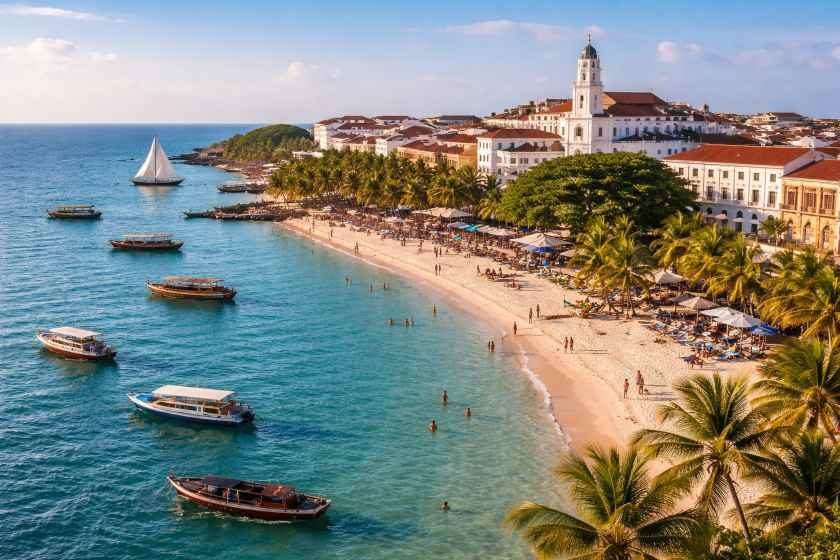
Africa’s tourism boom is no longer a trend on the horizon — it is happening right now, and a growing list of destinations across the continent are driving it forward. Zanzibar, the breathtaking Tanzanian archipelago off the East African coast, has joined Ethiopia, Kenya, Namibia, Zambia, Rwanda, Mozambique, Morocco, and other leading African destinations in what observers are calling a powerful and sustained surge in global travel demand to the continent.
For travellers who have been watching Africa move up their bucket lists, the timing matters. A major industry event — Essence of Africa 2026 — is scheduled for October 20–22, 2026, and it is expected to accelerate that momentum significantly, shining a concentrated spotlight on what the continent has to offer the world’s most discerning travellers.
Zanzibar, in particular, is having a moment. Known for its pristine white-sand beaches, rich cultural heritage, and vibrant coastal character, the island is fast cementing its reputation as a must-visit destination for people seeking a rare combination of history, nature, and luxury in one place.
Why Africa’s Tourism Surge Is Different This Time
What makes the current wave of interest in African travel stand out is that it is not being driven by a single destination or a single type of traveller. The momentum is broad-based, spanning East Africa, Southern Africa, and North Africa simultaneously — and it is being supported by deliberate investment in tourism infrastructure, international marketing, and high-profile industry events.
Zanzibar’s rise is a good example of how this works in practice. The archipelago has long been admired by travellers who discovered it early, but it is now reaching a much wider global audience. Its combination of Swahili culture, Indian Ocean beaches, and growing luxury hospitality options makes it genuinely competitive with some of the world’s most established island destinations.
And Zanzibar is not alone. Across the continent, destinations that were once considered off the beaten path are stepping into the mainstream travel conversation — backed by improved air connectivity, stronger regional tourism policies, and growing word-of-mouth from travellers sharing their experiences.
The Destinations Driving Africa’s Tourism Boom
The breadth of this surge is one of its most striking features. Here is a look at the key African destinations currently contributing to the continent’s rising global profile:
| Destination | Region | Known For |
|---|---|---|
| Zanzibar (Tanzania) | East Africa | White-sand beaches, Swahili culture, coastal luxury |
| Ethiopia | East Africa | Ancient history, highlands, cultural heritage |
| Kenya | East Africa | Safari, wildlife, the Maasai Mara |
| Rwanda | East Africa | Gorilla trekking, eco-tourism, conservation |
| Namibia | Southern Africa | Desert landscapes, adventure travel, wildlife |
| Zambia | Southern Africa | Victoria Falls, safari, wilderness experiences |
| Mozambique | Southern Africa | Indian Ocean coastline, marine biodiversity |
| Morocco | North Africa | Imperial cities, desert, cultural tourism |
Each of these destinations brings something distinct to the table, and together they represent the full spectrum of what Africa can offer — from world-class safari experiences to ancient civilisations, coastal escapes, and some of the planet’s most dramatic natural landscapes.
What Essence of Africa 2026 Means for Global Travel Demand
The Essence of Africa event, set for October 20–22, 2026, is positioned as a key accelerant for the continent’s tourism growth. Events like this matter because they bring together travel trade professionals, destination marketers, tour operators, and media in one place — and the coverage and business relationships that result tend to translate directly into increased bookings and traveller awareness.
For Zanzibar and its fellow African destinations, this kind of international platform provides something that advertising alone cannot easily replicate: credibility, visibility, and direct access to the global travel industry’s decision-makers.
The timing also aligns with a broader shift in how travellers are thinking about their next major trip. There is growing appetite for destinations that offer authentic cultural experiences alongside high-quality accommodation and access to nature — and Africa, with its extraordinary diversity, is exceptionally well-placed to meet that demand.
What This Means for Travellers Considering Africa
If you have been considering an African trip, the message from the industry is clear: the window to experience these destinations before they become fully mainstream is still open, but it is narrowing. Destinations like Zanzibar and Rwanda have seen sustained growth in visitor numbers, and as infrastructure improves and global awareness increases, the experience will inevitably become more crowded and more expensive.
That is not necessarily a bad thing — investment in tourism infrastructure tends to improve the quality of the experience for visitors. But travellers who value discovering places before they reach peak popularity have good reason to plan sooner rather than later.
- Zanzibar offers a blend of beach, culture, and history that few destinations can match
- East African safari destinations like Kenya and Rwanda remain among the world’s most sought-after wildlife experiences
- Southern African destinations like Namibia and Zambia offer extraordinary landscapes with relatively fewer crowds
- Morocco continues to draw travellers seeking an immersive blend of ancient culture and modern hospitality
- Mozambique’s Indian Ocean coastline is increasingly recognised as one of Africa’s most beautiful and underexplored coastal destinations
What Comes Next for Africa’s Tourism Momentum
With Essence of Africa 2026 on the calendar for October, the months ahead are likely to bring increased media attention, new tourism campaigns, and fresh investment announcements from destinations across the continent. Zanzibar’s growing profile is expected to feature prominently in that conversation.
For the broader African tourism sector, the goal is clear: convert rising global interest into lasting visitor growth that benefits local communities, supports conservation, and builds the continent’s long-term reputation as a world-class travel destination. Based on the current trajectory, that goal looks increasingly achievable.
Frequently Asked Questions
What is Essence of Africa 2026?
Essence of Africa is an industry event focused on African tourism, scheduled to take place from October 20–22, 2026. It is expected to accelerate global travel demand for destinations across the continent.
Why is Zanzibar considered a rising travel destination?
Zanzibar is known for its pristine white-sand beaches, rich cultural heritage, and vibrant coastal charm, making it increasingly popular among travellers seeking a mix of history, nature, and luxury.
Which African countries are part of this tourism surge?
The destinations currently highlighted as part of Africa’s tourism boom include Zanzibar, Ethiopia, Kenya, Namibia, Zambia, Rwanda, Mozambique, and Morocco, among others.
Is Zanzibar part of Tanzania?
Yes, Zanzibar is a Tanzanian archipelago located off the coast of East Africa.
When is the best time to visit African destinations like Zanzibar?
Travellers are encouraged to consult destination-specific tourism resources for up-to-date guidance.
Will Essence of Africa 2026 be open to the general public?
This has not been confirmed in the available source material. The event appears to be positioned primarily as a travel industry platform, but further details have not been specified.


Leave a Reply