
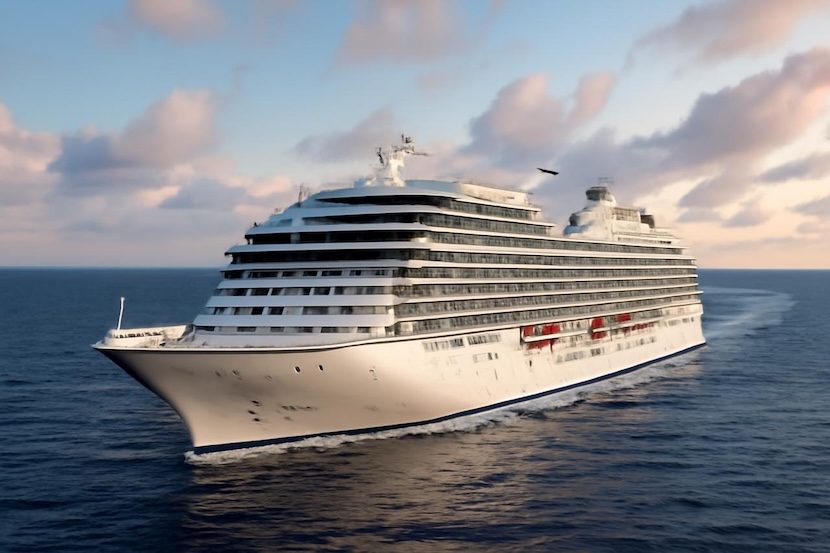
For the first time in its history, the Penghu archipelago has welcomed an international cruise vessel to its shores — a milestone that tourism observers say marks a genuine turning point for Taiwan’s approach to island travel and maritime connectivity in East Asia.
Penghu, a cluster of islands sitting in the Taiwan Strait known for its volcanic rock formations, sweeping coastlines, and distinct local culture, has long attracted domestic visitors. But this latest development signals that Taiwan’s tourism planners are now setting their sights on a much wider audience — one that arrives by sea rather than by plane.
The arrival of the first international cruise ship is being treated not just as a symbolic achievement, but as the opening move in a broader strategy to position Penghu as a credible stop on East Asian cruise itineraries.
Why Penghu’s First International Cruise Arrival Actually Matters
To understand why this moment is significant, it helps to look at how cruise tourism works across the region. East Asian cruise circuits — particularly those connecting ports in Japan, South Korea, China, and Southeast Asia — have grown steadily over the past two decades. Islands that get included on those circuits see measurable boosts in visitor numbers, local spending, and international name recognition.
Penghu has historically been left off those routes. Its infrastructure, port access, and profile among international cruise operators simply hadn’t reached the threshold needed to attract large vessels on scheduled itineraries. That appears to be changing.
Taiwan’s tourism authorities have been working to diversify travel routes beyond the country’s major urban centres. Taipei draws the bulk of international attention, but destinations like Penghu offer something fundamentally different — natural landscapes, slower-paced island life, and a cultural identity shaped by centuries of fishing and seafaring tradition.
Officials have noted that bringing Penghu into the cruise circuit is part of a deliberate effort to spread tourism more evenly across Taiwan’s geography, reducing pressure on crowded city destinations while opening up lesser-known regions to international exposure.
What Makes Penghu an Attractive Cruise Destination
The islands aren’t a blank slate waiting to be discovered. Penghu already has an established appeal among Taiwanese travellers, and its natural credentials are genuinely strong. The archipelago features basalt column formations, clear coastal waters, and a landscape shaped by volcanic activity over millions of years — the kind of scenery that photographs well and travels well in travel media.
Beyond the physical environment, Penghu carries a distinct cultural character. Its temples, traditional fishing villages, and local cuisine offer international visitors an experience that feels meaningfully different from mainland Taiwan’s urban offerings.
That combination — striking natural scenery paired with authentic local culture — is exactly what cruise operators look for when adding a new port of call. A stop needs to justify itself to passengers choosing between itineraries, and Penghu appears to have the raw material to do that.
What This Shift Looks Like in Practice
| Aspect | Before International Cruise Access | With International Cruise Access |
|---|---|---|
| Primary visitor base | Domestic Taiwanese travellers | Domestic and international visitors |
| Main arrival method | Domestic flights and ferries | Flights, ferries, and international cruise vessels |
| Regional profile | Limited international recognition | Emerging East Asian cruise destination |
| Tourism strategy focus | Primarily domestic market | Diversified, internationally oriented |
| Connectivity | Isolated from regional cruise routes | Integrated into East Asian maritime circuits |
The Broader Push to Rethink Taiwan’s Tourism Geography
This development fits into a pattern that Taiwan’s tourism planners have been pursuing for some time. The instinct to concentrate international promotion on Taipei is understandable — it’s the capital, it’s accessible, and it has the hotels and infrastructure to absorb large visitor volumes. But it also means that the rest of Taiwan, including its outlying islands, gets relatively little of the international spotlight.
Penghu’s entry into cruise tourism is a concrete example of what it looks like when that calculus shifts. By building the infrastructure and relationships needed to attract international vessels, the islands become accessible to a category of traveller who would never have considered visiting otherwise — cruise passengers who make destination decisions based on port schedules rather than independent trip planning.
That’s a different kind of tourist, with different spending patterns and different expectations. Whether Penghu’s local economy and visitor infrastructure are ready to absorb and benefit from that new audience is a question that will likely play out over the next several seasons.
What Comes Next for Penghu and Taiwan’s Island Tourism
The arrival of a single international vessel is a beginning, not a finished story. The real test will come as cruise operators assess whether Penghu delivers on the promise of that first visit — whether passengers leave satisfied, whether shore excursions and local services meet international expectations, and whether the destination holds up under repeat scrutiny.
If those early impressions are positive, the likelihood of Penghu appearing on more cruise itineraries increases. Regional connectivity in East Asian cruise tourism tends to build on itself: a destination that earns a reputation for delivering a strong port-of-call experience gets recommended, revisited, and eventually becomes a standard stop.
For now, the milestone itself carries weight. Penghu has crossed a threshold that most of Taiwan’s outlying islands have not, and the attention that follows — from travel media, from cruise operators scouting new routes, and from international travellers now aware the destination exists — could reshape the islands’ relationship with global tourism in ways that extend well beyond a single ship’s arrival.
Frequently Asked Questions
What is Penghu, and where is it located?
Penghu is an archipelago of islands situated in the Taiwan Strait, known for its volcanic rock landscapes, coastal scenery, and traditional fishing culture.
What makes this cruise arrival a milestone for Penghu?
It marks the first time an international cruise vessel has called at Penghu, placing the islands on the map of East Asian cruise destinations for the first time.
Why has Taiwan been expanding cruise tourism to its outlying islands?
Taiwan’s tourism authorities have been working to diversify travel routes beyond major cities, aiming to introduce international visitors to lesser-known regions like Penghu.
What kind of experience does Penghu offer international cruise passengers?
The islands offer a combination of natural volcanic landscapes, clear coastal waters, traditional temples, fishing villages, and local cuisine distinct from mainland Taiwan’s urban destinations.
Will more international cruise ships visit Penghu in the future?
This has not yet been confirmed, but the first arrival is widely seen as the foundation for broader inclusion in East Asian cruise itineraries if early visits prove successful.
How does cruise tourism differ from Penghu’s existing visitor model?
Previously, Penghu was visited primarily by domestic Taiwanese travellers arriving by ferry or domestic flight; international cruise access opens the islands to a new category of international visitor for the first time.




Leave a Reply