
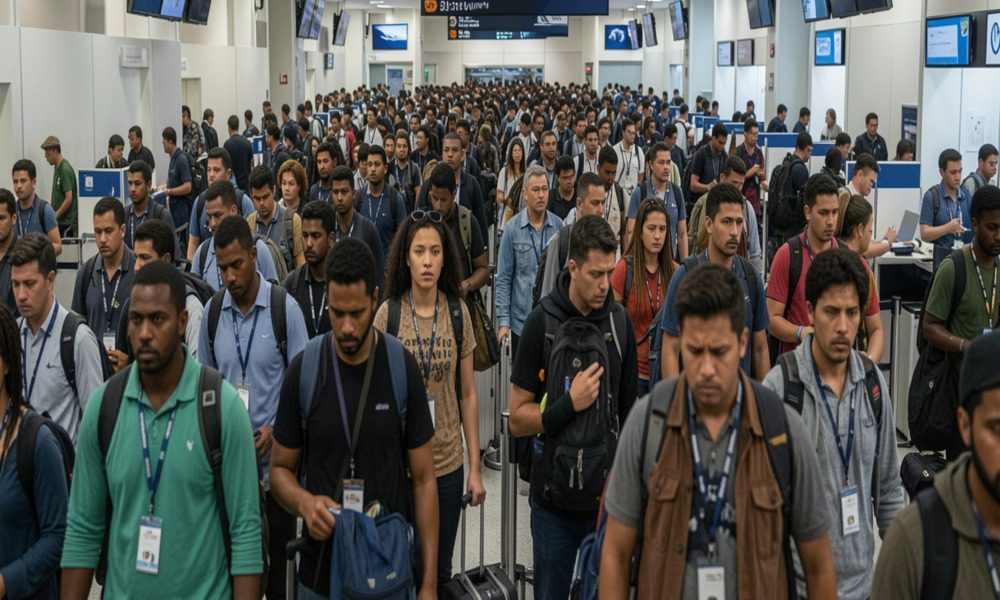
If you’re flying out of Philadelphia International Airport this weekend, plan to get there significantly earlier than you normally would. A surge in passenger traffic, combined with ongoing terminal closures and limited staffing, is expected to push TSA security wait times well beyond what most travelers are used to — and the congestion isn’t expected to ease quickly.
Philadelphia International Airport, known by its code PHL, ranks among the busiest airports in the United States. When travel demand spikes, the effects at PHL tend to be felt faster and harder than at airports with more terminal flexibility. Right now, that’s exactly what’s happening — and it’s not just Philadelphia. Airports across the country are reporting crowded terminals and strained security operations as a new wave of travel demand takes hold this weekend and into next week.
For anyone with a flight booked in the coming days, the time to start planning around these delays is now — not at the curb.
What’s Driving the TSA Delays at Philadelphia International Airport
The situation at PHL comes down to a collision of several pressures happening at the same time. Passenger volumes are up, which means more people are funneling through the same security checkpoints. At the same time, terminal closures are reducing the available space and operational capacity the airport can use to absorb that demand. And staffing constraints — a persistent challenge for TSA operations nationally — mean fewer lanes open to handle the increased load.
The result is predictable: longer lines, slower processing, and a much tighter margin for error if you’re cutting it close to your departure time.
This isn’t an isolated problem specific to Philadelphia. Officials have noted that the surge in travel demand is being felt at airports nationwide, with crowded terminals becoming a common sight at major hubs this weekend. PHL, however, is drawing particular attention given its size, its passenger volume, and the added pressure of ongoing terminal work.
What Travelers Need to Know Before They Arrive
The most practical advice for anyone flying through PHL this weekend is straightforward: arrive earlier than you think you need to. Security lines during peak travel periods at a major hub like Philadelphia can stretch well beyond what the posted TSA wait-time estimates suggest, especially when staffing is limited and terminal access is reduced.
- Arrive early: Factor in significantly more time than usual for TSA screening, particularly during morning and early afternoon peak windows.
- Expect congestion: Terminal closures are reducing available space, which means crowding in the areas that remain open.
- Check your flight status: Increased volume doesn’t just affect security — it can ripple into gate changes and boarding delays as well.
- Use TSA PreCheck if you have it: Dedicated PreCheck lanes can offer meaningful time savings when general security lines are backed up.
- Monitor airport communications: PHL’s official channels and the TSA’s own resources can provide real-time updates on wait times and any changes to terminal access.
| Factor | Current Status at PHL | Traveler Impact |
|---|---|---|
| Passenger Traffic | Surging — elevated demand this weekend and into next week | Longer TSA lines and crowded terminals |
| Terminal Closures | Ongoing closures reducing available capacity | Less space to absorb passenger volume |
| TSA Staffing | Limited relative to current demand | Fewer open lanes, slower processing times |
| Flight Volumes | Increased — contributing to overall airport strain | Higher risk of gate congestion and delays |
| National Context | Airports nationwide reporting similar surge conditions | Connecting flights at other hubs also at risk |
Why This Matters Beyond One Airport
It would be easy to read this as a Philadelphia-specific story, but the broader picture is more significant. What’s happening at PHL is a reflection of what’s unfolding at airports across the United States right now. The travel surge driving these delays isn’t contained to one city or one terminal — it’s a nationwide pressure point hitting the aviation system at the same time.
That matters for anyone with a connecting flight. If your itinerary routes through a congested hub — whether that’s Philadelphia or another major airport experiencing similar conditions — a delay at one point in your journey can cascade into missed connections and rebooking headaches. The system has less slack in it right now than travelers might expect.
Officials have emphasized that the combination of increased flight volumes and limited staffing is the core driver of the current strain. Neither of those conditions is expected to resolve itself over a single weekend.
What to Expect Going Into Next Week
The congestion at PHL and at airports nationwide is expected to persist beyond this weekend and carry into next week. Travel demand doesn’t typically spike and immediately recede — surges tend to hold for several days, meaning the pressure on TSA checkpoints, gate areas, and terminal space will likely remain elevated.
Travelers with flights scheduled in the coming week should apply the same caution they would this weekend. Early arrival, patience at security, and flexibility in your plans where possible will be the most useful tools for navigating what is shaping up to be a genuinely difficult stretch for U.S. air travel.
Airports haven’t confirmed when terminal closures at PHL will be resolved or when staffing levels are expected to normalize. Until those underlying conditions change, the delays are likely to continue.
Frequently Asked Questions
Why is Philadelphia International Airport experiencing TSA delays right now?
A surge in passenger traffic, ongoing terminal closures, and limited TSA staffing are combining to create longer-than-usual security wait times at PHL this weekend and into next week.
Is this just a Philadelphia problem, or are other airports affected?
Airports nationwide are reporting increased crowding and strained terminals due to the same surge in travel demand, making this a broader U.S. aviation issue rather than one specific to PHL.
How early should I arrive at Philadelphia International Airport right now?
Given current conditions, travelers are advised to arrive significantly earlier than usual to account for extended TSA processing times — well beyond the standard recommendation for domestic flights.
Will TSA PreCheck help during this surge?
PreCheck lanes typically move faster than standard security lines, so travelers enrolled in the program may see meaningful time savings during periods of high congestion.
How long will these delays last?
The congestion is expected to continue through the weekend and into next week, as the underlying causes — high passenger volumes, terminal closures, and staffing limitations — have not yet been resolved.
What should I do if I have a connecting flight through a congested airport?
Build as much buffer time into your itinerary as possible, monitor your flight status closely, and be prepared for the possibility that delays at one hub could affect your connection at another.




Leave a Reply