
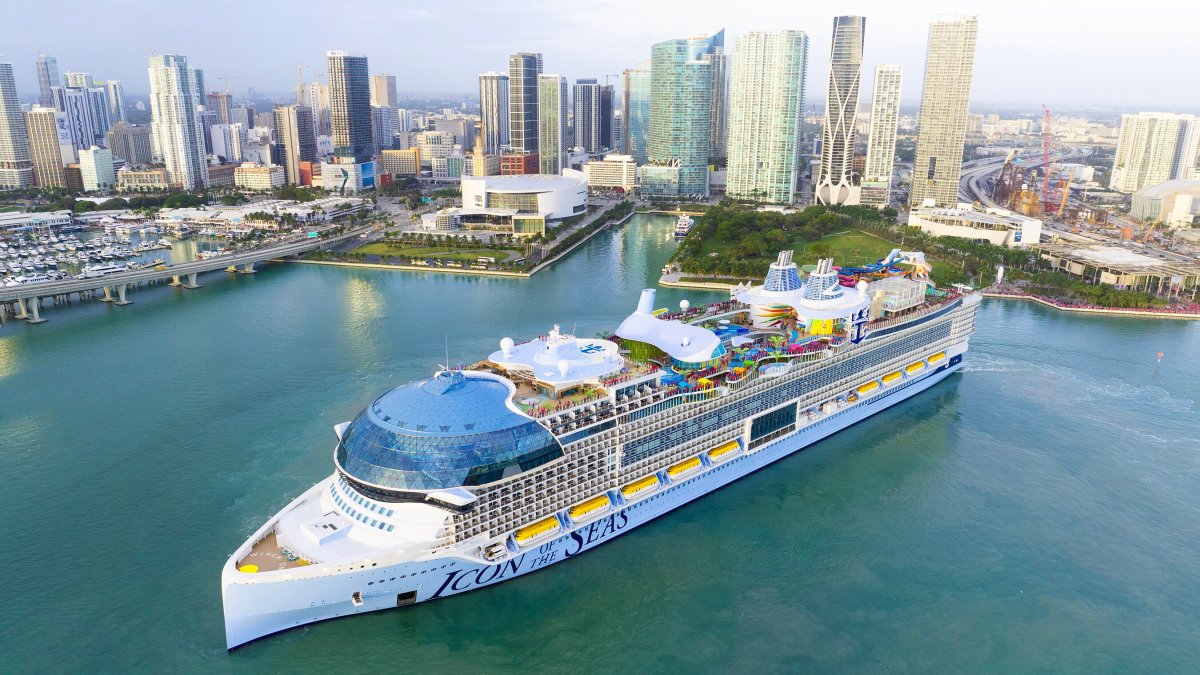
Ocean conditions can shift faster than any forecast predicts — and passengers aboard a Royal Caribbean cruise sailing across the Atlantic found that out firsthand when sudden wind activity disrupted what was supposed to be a smooth international voyage.
Even on a modern, carefully engineered cruise ship, a sudden rapid increase in wind intensity over open Atlantic water can compress the crew’s response timeline dramatically — turning a routine transatlantic voyage into a genuine safety event within minutes.
The ship was following its planned route when stronger-than-expected gusts developed over open water. The rapid change in wind intensity caused noticeable movement across several decks and triggered an immediate safety response from the crew. No major injuries were reported, but the incident was enough to create real concern among travellers onboard.
It’s a reminder that even on modern, carefully engineered cruise ships, the Atlantic Ocean doesn’t always cooperate.
What Happened During the Royal Caribbean Atlantic Weather Disruption
According to available reporting, the Royal Caribbean vessel was mid-voyage on an international Atlantic route when wind conditions changed unexpectedly. Passengers described a short period of instability as the ship responded to shifting wind pressure — the kind of movement that can feel alarming even when a vessel is operating exactly as it should.
The crew acted quickly. Safety responses were initiated onboard, and while the disruption was described as brief, it was significant enough to prompt a passenger safety alert. The situation did not escalate into a major emergency, but it underscored how rapidly conditions at sea can deteriorate without warning.
“Cruise journeys are generally smooth and carefully planned well in advance. Route selections, departure timings, and mid-voyage course adjustments are all designed to avoid the worst of Atlantic weather. But open ocean sailing always carries an element of unpredictability, particularly when a vessel is crossing large stretches of water far from port.”
The Key Facts From This Incident at a Glance
Weather systems can develop and intensify across open stretches of water in ways that are difficult to anticipate even with modern forecasting technology.
Cruise ships are built to handle rough conditions. Their stabilisation systems, hull design, and navigation protocols are all engineered with ocean weather in mind. But “handling” a weather event and “not being affected by it” are two very different things. Passengers can feel significant movement even when a ship is technically safe and operating within normal parameters.
What makes incidents like this one notable is the speed of the change. The reporting specifically describes a rapid increase in wind intensity — not a gradual build-up that the crew could anticipate and adjust for over hours, but a sudden shift that compressed the response timeline significantly.
For passengers who have never experienced rough seas, unexpected instability can feel genuinely frightening — even when the ship is technically operating within safe parameters. Even seasoned cruisers have reported that sudden instability feels very different from the gentle rolling most people associate with ocean travel. Preparing yourself mentally for that possibility before departure makes a real difference.
For passengers who have never experienced rough seas, that kind of movement can be genuinely frightening. Even seasoned cruisers have reported that unexpected instability feels very different from the gentle rolling most people associate with ocean travel.
What This Means for Anyone Planning an Ocean Cruise
This incident doesn’t suggest that Atlantic cruising is uniquely dangerous — millions of passengers sail similar routes every year without incident. But it does highlight a few practical realities worth understanding before you book.
Weather disruptions at sea are not rare. They are a known and managed part of ocean travel. Cruise lines monitor conditions continuously and crews are trained specifically to respond when conditions shift. The fact that a safety alert was issued quickly in this case is actually evidence of that system working as intended.
Passengers travelling on transatlantic or open-ocean routes should be aware that the experience is meaningfully different from Caribbean island-hopping or coastal itineraries. Open water means fewer shelter options, longer distances between ports, and greater exposure to developing weather systems.
Travel insurance that covers trip disruption and medical incidents at sea is something many experienced cruisers consider essential for exactly this reason — though the specifics of any individual policy are always worth reading carefully before departure.
What Happens After an Onboard Weather Alert
Once a passenger safety alert is issued on a cruise ship, the crew follows established maritime safety protocols. These typically involve securing loose items, restricting access to exposed deck areas, and communicating clearly with passengers about what is happening and what they should do.
In this case, the disruption was brief. The ship continued on its planned international route, and no major injuries were reported — which suggests the crew’s response was effective and the weather event passed without lasting consequence.
Royal Caribbean has not publicly confirmed additional details about the specific voyage, the vessel involved, or whether any itinerary changes were made following the incident. Those details have not been confirmed in available reporting at this time.
Frequently Asked Questions

You Might Also Like

FIFA 2026 Hotel Rooms Are Opening Up — And Visa Delays Are Why
Thousands of hotel rooms that were locked away for FIFA World Cup 2026 are suddenly…
Over 50 Flights Cancelled Across UAE Airports as Major Airlines Disrupt Routes
More than 50 flights have been cancelled across the United Arab Emirates in a single…

This $23 Million Taishan Estate Lets You Own a Piece of Ancient China
A $23 million price tag is striking enough on its own. But the Taishan estate…
Leave a Reply