
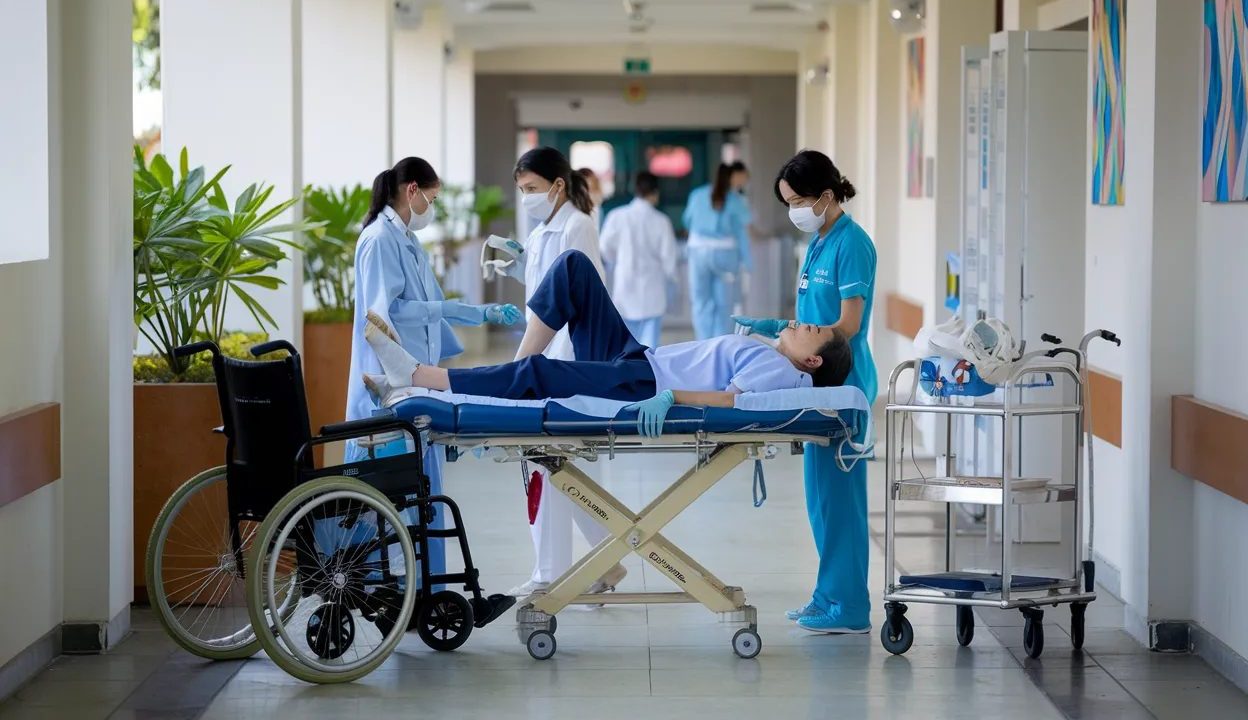
Medical tourism searches for Thailand have climbed 8% year over year — and that number tells only part of the story. Travelers are no longer flying to Southeast Asia just for the beaches. Increasingly, they’re booking flights to Bangkok and Phuket with a very different kind of itinerary in mind: one that involves clinic appointments, aesthetic procedures, and wellness retreats tucked between temple visits and street food tours.
The trend has a name now — medical tourism — but what’s happening in Thailand in 2026 feels like something more significant than a niche travel category. It’s reshaping how a growing number of people think about healthcare itself, and Thailand is sitting squarely at the center of it.
For a country already accustomed to topping global travel rankings, this shift represents a new economic engine. Officials and industry observers have noted that combining holidays with health and wellness treatments has become a primary driver of the Kingdom’s broader tourism economy.
Why Thailand Has Become the World’s Medical Tourism Destination
Thailand has long attracted visitors for its affordability, hospitality, and tropical climate. But the country’s rise as a medical travel hub is built on something more than low prices and warm weather. Its healthcare infrastructure — particularly in private hospitals concentrated in Bangkok and major resort cities — consistently outperforms regional competitors on quality metrics, accreditation standards, and patient experience.
The 8% year-over-year growth in medical-related searches reflects genuine demand, not just curiosity. People are researching procedures, comparing clinics, and booking consultations before they ever board a plane. The most common searches span everything from dental work and cosmetic surgery to comprehensive wellness programs and preventive health screenings — services that in many Western countries carry price tags that put them out of reach for average earners.
Observers have noted that Thailand routinely outperforms its regional rivals in attracting this category of traveler, driven in large part by the country’s combination of clinical quality and accessible costs.
The Travelers Driving This Shift
The demographic picture is evolving. While medical tourists have historically come from the Middle East, Europe, and parts of Asia, recent trends show one group emerging as a particularly fast-growing segment: Russian-speaking travelers.
This cohort is increasingly seeking high-quality clinical and aesthetic interventions in Thailand’s tropical setting — a combination that blends the practical appeal of medical care with the lifestyle draw of a destination holiday. The trend reflects broader shifts in how people across many regions are approaching healthcare: less reactively, more proactively, and with a willingness to cross borders to get what they need at a price that makes sense.
Beyond Russian-speaking visitors, the broader pattern holds across multiple source markets. Wellness services and healthcare treatments are drawing travelers who might previously have chosen Thailand purely for leisure — and who now see no reason to keep those two motivations separate.
What “Medical Makeover” Tourism Actually Looks Like
The phrase “medical tourism” can conjure images of high-risk procedures in unregulated facilities. The reality of what’s driving Thailand’s growth is considerably more mainstream — and more varied.
- Aesthetic and cosmetic procedures — including non-surgical treatments, skin care, and elective surgeries — remain a core draw
- Dental care — from routine work to complex restorative procedures — attracts visitors priced out of home-country dental systems
- Wellness retreats — combining spa treatments, detox programs, and holistic therapies in resort-quality settings
- Preventive health screenings — comprehensive check-ups that many travelers cannot easily access or afford at home
- Rehabilitation and recovery programs — post-surgical or lifestyle-based recovery in a recuperative environment
What makes Thailand’s offering distinct is the packaging. Visitors don’t feel like patients navigating a foreign medical system. The experience is designed — from airport transfers to post-procedure recovery accommodations — to feel like a premium travel experience that happens to include a clinical component.
The Numbers Behind the Trend
| Metric | Detail |
|---|---|
| Year-over-year growth in medical searches | 8% increase |
| Fastest-growing traveler segment | Russian-speaking travelers |
| Primary demand drivers | Wellness services and healthcare treatments |
| Thailand’s regional standing | Consistently outperforms regional rivals |
| Economic role | Now a primary driver of the national tourism economy |
The data points to a structural shift, not a short-term spike. When medical-related travel becomes a primary economic driver — not a secondary benefit — for one of the world’s most visited countries, the industry has genuinely changed.
What This Means If You’re Considering Medical Travel in 2026
For anyone weighing the idea of combining a trip to Thailand with a medical or wellness procedure, the landscape in 2026 is arguably more mature and better organized than at any previous point. The country’s private hospital sector has spent years building international accreditations and English-language patient services specifically to serve this market.
That said, anyone considering clinical procedures abroad should approach the process with the same due diligence they’d apply at home — verifying credentials, understanding aftercare requirements, and planning recovery time into the trip. The growth of this sector means more options, but more options also require more careful evaluation.
Industry observers note that the smart combination of holiday and health treatment — rather than treating them as competing priorities — is exactly what’s making Thailand’s model work. Travelers get more from a single trip. The country’s economy benefits from longer stays and higher per-visitor spending. And a healthcare system that might otherwise be inaccessible becomes reachable.
Frequently Asked Questions
How much has medical tourism in Thailand grown recently?
Medical-related searches for Thailand have grown 8% year over year, according to recent data cited in industry reporting.
Which travelers are driving the fastest growth in Thailand’s medical tourism sector?
Russian-speaking travelers have been identified as the fastest-growing segment, increasingly seeking clinical and aesthetic treatments in Thailand.
What types of treatments are most popular among medical tourists in Thailand?
Demand is primarily driven by wellness services, aesthetic procedures, dental care, and healthcare treatments more broadly — though
How does Thailand compare to other countries in the region for medical tourism?
According to the source data, Thailand routinely outperforms its regional rivals in attracting medical and wellness travelers.
Is medical tourism a significant part of Thailand’s economy?
Yes — observers have noted that combining holidays with health and wellness treatments has become a primary driver of Thailand’s tourism economy, not merely a niche segment.
Is 2026 a particularly good time to visit Thailand for medical travel?
The data suggests the sector is in an active growth phase, with increasing infrastructure and demand — though specific 2026 policy changes or incentives have not been confirmed in the available source material.




Leave a Reply