
What’s Changing With SNAP in Texas — and What It Means for Your Family
If you’re on SNAP in Texas right now, you’ve probably heard something about new rules, new restrictions, and maybe wondered whether your monthly benefit amount is going up or down. Let’s cut through the noise and walk through exactly what’s happening, what it means for a household like yours, and where the real financial pressure points are.
The Big Change: What You Can No Longer Buy Starting April 1, 2026
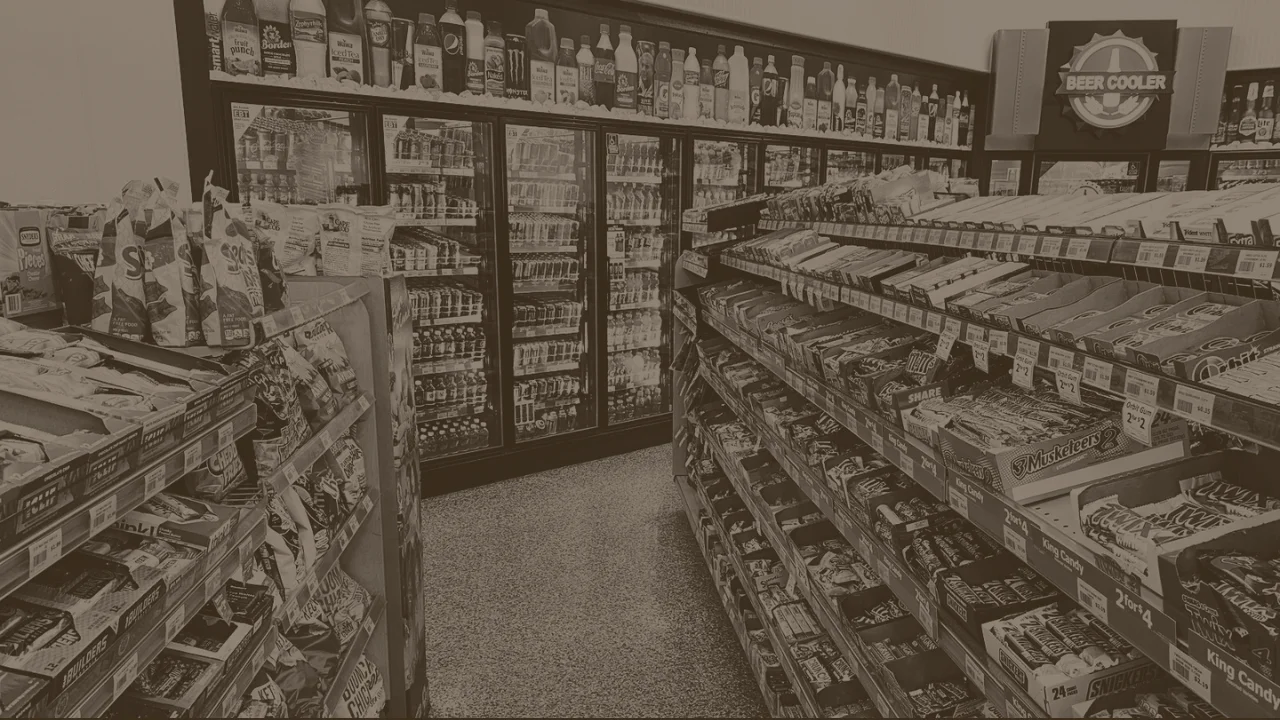
Texas became the first state in the country to receive federal approval to restrict what SNAP recipients can purchase [5]. Starting April 1, 2026, you can no longer use your Lone Star Card to buy candy or sweetened drinks [1][3].
That’s not a rumor. Texas Health and Human Services confirmed it directly [1].
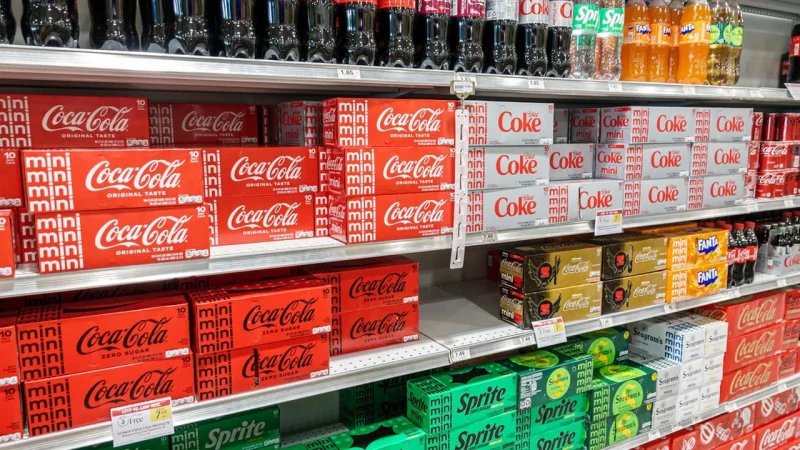
So what exactly is off-limits? The restriction covers candy and sweetened beverages [1][8]. What’s still allowed is everything that SNAP has always covered — fruits, vegetables, garden seeds, and other food staples that the program was designed for [2].
Here’s where it gets a little confusing for shoppers: some items that contain sugar are still fine to buy. Boxed cake mix, frosting, and similar products don’t fall under the new ban [11]. The restriction is specifically targeted at candy and drinks with added sweeteners [1][3]. So you might be standing in the checkout line wondering why one item is allowed and another isn’t — that’s a real frustration people are already voicing [11].
One thing worth knowing: some shoppers have been asking about drinks sweetened with alternatives like stevia rather than sugar or high-fructose corn syrup [4]. The state guidance from Texas HHS is the authoritative word on what qualifies as a “sweetened drink” under the new rules, so if you’re unsure about a specific product, check with Texas HHS directly before your next shopping trip [3].
Why This Matters Beyond the Checkout Line
This isn’t just about what’s in your cart. Millions of Texans on SNAP are affected by this change [7][10]. Food banks across Texas have been raising concerns about rising demand for assistance even as SNAP enrollment has shifted [12]. Feeding Texas, the statewide food bank network, has also been working to inform recipients about the April 1 changes [6].
The restriction applies at checkout — meaning the point-of-sale system will decline restricted items when you swipe your Lone Star Card [3]. You won’t need to figure it out on your own; the system should handle it. But knowing ahead of time saves you the awkwardness of a declined item mid-transaction.
Will SNAP Benefits Increase in 2026?
This is the question a lot of families are asking, and the honest answer is: the new rules are about what you can buy, not about increasing how much you get. The April 2026 changes are purchase restrictions, not a benefit boost [1][3].
For a household of three in Texas with a monthly income around $2,666, here’s how the benefit picture may actually look. SNAP eligibility and benefit amounts are calculated based on household size, income, and allowable deductions. The program is specifically designed to help people buy the food they need for good health [2].
Here’s what that actually adds up to for a household at this income level:
Here’s the full picture for a household at this income — what may apply, and what won’t:
How SNAP Benefits Are Calculated — and the Number That Should Make You Pay Attention
SNAP isn’t a flat amount. It’s tied to your income, your household size, and deductions the program allows. For a three-person Texas household at roughly $2,667 a month in income, the estimated SNAP benefit may be around $212.57 per month, or about $2,550.89 per year.
That’s real money for a grocery budget. But here’s something that doesn’t get talked about enough: the income cliff.
The Cliff You Don’t Want to Fall Off
At a monthly income of $2,887.08, something significant happens. If your household income crosses that line — even by a single dollar — you could lose approximately $2,550.89 per year in SNAP benefits [computed data].
Read that again. A small raise, a few extra hours of work, a one-time bonus — any of those things could push you past the threshold and wipe out more than two thousand dollars in annual food assistance. The raise might feel like good news. The loss of SNAP might cost you far more than the raise added.
The math gets dramatic at the next threshold. Cross that line by even a dollar and here’s what happens.
This is what policy researchers call a “benefit cliff,” and it’s a real, documented feature of how means-tested programs work. It doesn’t mean you should avoid earning more — but it does mean you should go in with your eyes open, especially if you’re close to that $2,887 monthly income mark.
The Bigger Picture: SNAP Isn’t the Only Piece
SNAP is one part of a broader set of programs a household like yours may be eligible for. The Earned Income Tax Credit (EITC) may add around $357.73 per month ($4,292.76 per year) for eligible filers. The Child Tax Credit (CTC) may add around $183.33 per month ($2,200 per year).
Combined across SNAP, EITC, and CTC, a household at this income level could potentially be looking at roughly $9,043.65 per year in total benefits.
That’s a significant number. It’s also why understanding the cliff matters so much — because it’s not just SNAP that can shift when income changes. Multiple programs may recalculate at once.
The marginal tax rate for this household sits at 75.6%. That figure sounds alarming, and it should prompt some thought. It means that for every extra dollar of wages earned, a meaningful portion may be lost to a combination of reduced benefits and new tax obligations. Again — this isn’t a reason to avoid work or raises, but it is a reason to think carefully about timing, hours, and how changes in income interact with your benefit picture.
What Texas Families Are Actually Saying
Real SNAP recipients in Texas have had a lot to say about these changes online. Some are frustrated by what feels like inconsistent logic — why is a sweetened soda banned but a box of cake mix is fine? [11] Others are curious about how specific products will be handled at checkout [4]. These are fair questions, and the answers aren’t always simple.
What’s clear is that the change is real, it’s in effect as of April 1, 2026, and it’s the first restriction of its kind in the country [5][7]. Texas HHS is the official source for updates on exactly which products are covered [1][3].
If you shop frequently and rely on your Lone Star Card for beverages or sweet snacks, you’ll want to rethink your list before you head to the store. The checkout system will block restricted items [3], but that doesn’t make it any less inconvenient if you’re caught off guard.
What You Should Do Right Now
You don’t need to panic. But you do need to be informed.
Check your shopping list. If candy or sweetened drinks are a regular part of what you buy with your Lone Star Card, plan for that change now. Stock up before April 1 if needed, and think about how to adjust your budget going forward.
Know your income threshold. If your household income is anywhere near $2,887 per month, you’re close to a cliff that could cost you a substantial amount in annual SNAP benefits. Any change in income — a new job, a raise, extra hours — is worth thinking through carefully with that number in mind.
Look at the full picture. SNAP, EITC, and CTC together may represent over $9,000 per year for a qualifying household. Understanding how they interact — and how income changes affect all of them — is worth your time.
Go to the source. Texas HHS at hhs.texas.gov is your authoritative resource for SNAP rules, restrictions, and updates [1][2][3]. Don’t rely on social media posts for the final word on what’s covered.
Check Your Eligibility
Everyone’s situation is a little different. Household size, income, deductions, and other factors all affect what you may qualify for — and by how much.
Plug in your own numbers — household size, income, state — and see where you stand.
Sources
- SNAP Purchase Restrictions – Texas Health and Human Services (www.hhs.texas.gov).gov
- SNAP Food Benefits | Texas Health and Human Services (www.hhs.texas.gov).gov
- New SNAP Purchase Restrictions Take Effect April 1 (www.hhs.texas.gov).gov
- Starting April 1, 2026, new restrictions will limit what SNAP … (www.facebook.com)
- Federal Approval Granted: Texas SNAP Junk Food Ban Takes Effect … (www.texaspolicyresearch.com)
- Feeding Texas Outlines Important SNAP Changes Starting April 1 (www.feedingtexas.org)
- New 2026 Texas SNAP rules now in effect. Here's what recipients can no longer buy. (www.cbsnews.com)
- What You Need to Know About the Texas SNAP Food Changes (salud-america.org)
- SNAP restrictions begin on April 1, 2026 – YouTube (www.youtube.com)
- What Texans need to know about upcoming SNAP restrictions (www.texastribune.org)
- SNAP benefits will no longer cover candy or sugary drinks starting … (www.facebook.com)
- SNAP enrollment drops as Texas food banks face rising demand (www.kcentv.com)

Leave a Reply