
What’s Changing With SNAP in Texas — and What It Means for Your Family
By Editorial Team | UndiscoveredAmerica.tv
If you’re on SNAP in Texas, 2026 is bringing real changes to what you can buy at the grocery store. Some of those changes are already in effect. Others — like questions about whether benefit amounts are going up — are worth understanding clearly so you’re not caught off guard at the checkout line.
Let’s break it down.
The Big News: Texas Changed What SNAP Can Buy
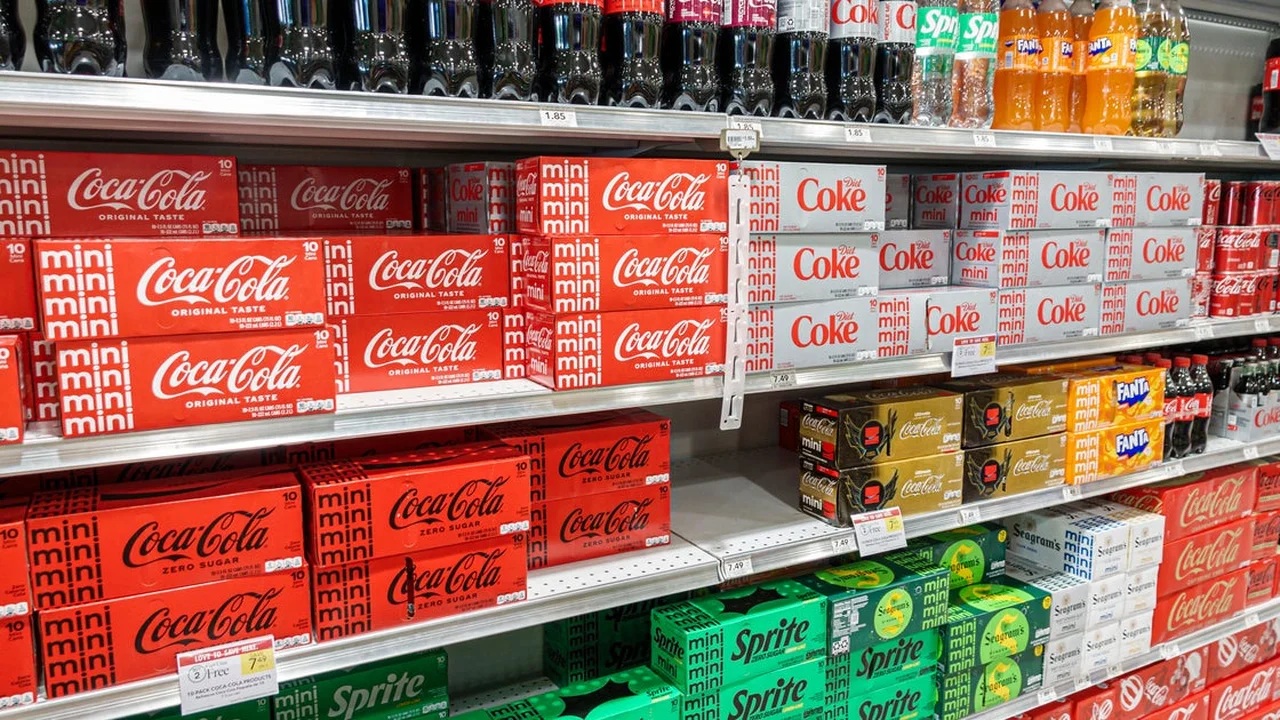
Starting April 1, 2026, Texas SNAP recipients can no longer use their Lone Star Cards to purchase candy or sweetened drinks [cite:1]. That’s not a rumor — it’s official policy from the Texas Health and Human Services Commission (HHSC) [cite:3].
Texas is the first state to receive federal approval for this kind of restriction on SNAP purchases [cite:7]. So if you’ve been buying a soda or a candy bar with your benefits, that’s no longer allowed. The change affects millions of Texans who rely on the program [cite:5].
What exactly counts as a “sweetened drink”? Think sodas, sports drinks, and similar beverages with added sugar. And “candy” covers the obvious stuff — bagged candy, chocolate bars, that kind of thing. What about something like Zevia, which is sweetened with plant-based stevia instead of sugar? That’s the kind of question people are already asking [cite:4], and it’s worth checking with your local store or the Texas HHS website if you’re unsure about a specific product.
Some people feel the rule is inconsistent — for instance, boxed cake mix and frosting still contain sugar but aren’t covered by the ban [cite:8]. Whether you agree with the policy or not, the practical reality is the same: if you try to buy candy or a sweetened drink with your Lone Star Card after April 1, 2026, the transaction won’t go through [cite:3].
What SNAP Still Covers
The core of SNAP hasn’t changed. The program is still designed to help people buy the food they need for good health [cite:2]. That includes:
- Fruits and vegetables
- Meat, poultry, and fish
- Dairy products
- Bread and cereals
- Garden seeds and plants that produce food [cite:2]
So your grocery run for chicken, eggs, apples, bread, and milk? Still fully covered. The restrictions are specifically aimed at candy and sweetened beverages [cite:1].
Are SNAP Benefits Going Up in 2026?
This is one of the most common questions families ask. The honest answer is: the computed benefit amounts for your household reflect current program rules. SNAP benefit levels are set by the federal government and adjusted periodically — but no announcement of a broad increase appears in the official sources available right now. What you can count on is knowing exactly what your household may be eligible for based on your income and family size.
For a household of three with a monthly income around $2,666, here’s how the math works out under current rules.
SNAP calculates your benefit based on your household size and net income. A family of three at this income level may qualify for a meaningful monthly amount — not a fortune, but real money that makes a real difference at the grocery store.
Here’s what that actually adds up to for a household at this income level:
The Cliff Nobody Warns You About
Here’s something that doesn’t get talked about enough. SNAP — like most benefit programs — has income cutoffs. Cross a certain line and your benefits don’t taper down gradually. They drop hard.
For a household of three, the math gets stark at a monthly income of $2,887.08. That’s only about $220 more per month than the $2,666.67 income in our example. If your household income climbs past that threshold — say you pick up extra hours at work, or someone in the family gets a small raise — your SNAP benefit could drop by more than $2,550 for the year [cite:2].
Read that again. A raise of roughly $220 a month could cost your family over $2,550 a year in lost SNAP benefits alone. That works out to a marginal tax rate of 75.6% on those extra dollars — meaning for every additional dollar you earn in that range, you effectively keep less than 25 cents of it after accounting for lost benefits and new taxes.
This isn’t a reason to avoid earning more money. It’s a reason to understand the system clearly so you can plan around it — whether that means timing a job change, understanding how reported income affects your case, or simply knowing why a small bump in pay might feel like it didn’t help much.
The math gets dramatic at the next threshold. Cross that line by even a dollar and here’s what happens:
Food Banks Are Feeling the Pressure
It’s worth knowing that food banks across Texas are watching these changes closely. Demand for food assistance has been rising even as SNAP enrollment has shifted [cite:12]. Organizations like Feeding Texas — the statewide network of food banks — have been actively working to explain the new purchase restrictions to recipients so nobody is blindsided [cite:6].
If you’ve got questions about what the changes mean in your local area, your regional food bank can often point you to resources, explain local programs, and help fill gaps that SNAP doesn’t cover.
Other Benefits Worth Knowing About
SNAP isn’t the only program that may be available to your household. If you’re a working family with kids, two other programs could add significant money to your bottom line.
Earned Income Tax Credit (EITC): This federal tax credit is designed specifically for working people and families with lower incomes. For a household at this income level, the EITC could be worth real money — spread across the year, it works out to meaningful monthly support.
Child Tax Credit (CTC): If you have children, the CTC is another credit that may reduce what you owe in taxes — or put money back in your pocket.
These aren’t automatic. You have to file your taxes and claim them. But for a family of three at this income level, the combined value of SNAP, EITC, and CTC adds up to a significant annual total. That kind of support doesn’t show up in your paycheck, but it’s real — and it’s worth making sure you’re not leaving it on the table.
Check Your Eligibility
Every household is different. Your income, family size, expenses, and circumstances all affect what you may qualify for — and how much. Plug in your own numbers to see where you stand.
Sources
- Texas HHS — SNAP Purchase Restrictions: https://www.hhs.texas.gov/services/food/snap-food-benefits/snap-purchase-restrictions
- Texas HHS — SNAP Food Benefits: https://www.hhs.texas.gov/services/food/snap-food-benefits
- Texas HHS — New SNAP Purchase Restrictions Take Effect April 1: https://www.hhs.texas.gov/news/2026/03/new-snap-purchase-restrictions-take-effect-april-1
- Texas HHSC Facebook post (public comment thread): https://www.facebook.com/TexasHHSC/posts/starting-april-1-2026-new-restrictions-will-limit-what-snap-recipients-can-buy-i/1354198346739227/
- CBS News Texas — 2026 Texas SNAP Benefits Candy Soda Sweet Drinks Ban: https://www.cbsnews.com/texas/news/2026-texas-snap-benefits-candy-soda-sweet-drinks-ban/
- Feeding Texas — Important SNAP Changes Starting April 1: https://www.feedingtexas.org/news/feeding-texas-outlines-important-snap-changes-starting-april-1/
- Texas Policy Research — Federal Approval Granted, Texas SNAP Junk Food Ban Takes Effect April 2026: https://www.texaspolicyresearch.com/federal-approval-granted-texas-snap-junk-food-ban-takes-effect-april-2026/
- Texas Policy Facebook (public comment thread): https://www.facebook.com/TexasPolicy/videos/snap-benefits-will-no-longer-cover-candy-or-sugary-drinks-starting-april-1-2026-/2153187728833141/
- KCENTV — SNAP Enrollment Drops, Texas Food Banks Face Rising Demand: https://www.kcentv.com/article/news/local/snap-enrollment-drops-texas-food-banks-face-rising-demand/500-9bb34159-4f83-44eb-b40c-b826f5f2175e

Leave a Reply