
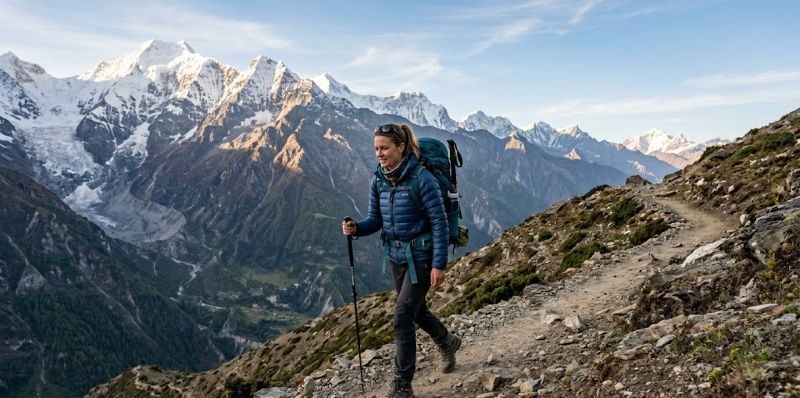
Something unexpected is happening in the travel world: the solo adventurer — long celebrated as the ultimate symbol of freedom and independence — is increasingly choosing to travel with others. Not because they’ve lost their wanderlust, but because they’ve found something they didn’t expect to get from a group trip: a richer, more rewarding experience overall.
For years, solo travel carried a certain romantic appeal. The open road, no compromises, no schedules to negotiate. But a growing number of travellers who once prized that independence are discovering that group travel offers things even the most seasoned solo explorer can’t always find on their own — genuine community, built-in safety, and a depth of experience that can be hard to manufacture alone.
This shift isn’t a rejection of solo travel’s core values. It’s an evolution of them. And it’s changing the way people plan, experience, and remember their trips.
Why Solo Travellers Are Rethinking the Way They Explore
The traditional solo travel model was built on a simple premise: freedom above all else. Go where you want, when you want, with no one else’s preferences to consider. For a long time, that was enough — and for many travellers, it still is.
But something has changed in how people are weighing that freedom against other factors. Safety, social connection, and the quality of the experience itself have all moved up the priority list. Group travel, once dismissed as the choice of less adventurous travellers, is now being re-evaluated on its actual merits.
The perception shift is significant. Group trips are no longer seen as the cautious alternative to real exploration. They’re being recognised as a genuinely different — and in many ways more enriching — way to see the world. Solo travellers aren’t abandoning their adventurous instincts. They’re applying them in a new context.
What Group Travel Actually Offers That Solo Travel Can’t
The appeal of group travel for former solo adventurers comes down to a few core advantages that are difficult to replicate when travelling alone:
- Community and connection: Travelling with others creates shared memories and bonds that solo travel, by its nature, can’t provide. For many people, those shared moments become the most memorable part of any trip.
- Built-in safety: Navigating unfamiliar destinations is a different experience when you’re not doing it entirely alone. Group travel provides a layer of security that matters, especially in remote or less-travelled locations.
- Support on the road: Practical help — with logistics, language barriers, unexpected problems — is readily available in a group setting in ways it simply isn’t when you’re travelling solo.
- Enriched experiences: Shared discoveries, group conversations with locals, and collective exploration often produce a depth of experience that solo travellers acknowledge is harder to achieve independently.
- Reduced planning burden: Group trips typically come with logistics handled, freeing travellers to focus on the experience itself rather than the mechanics of getting there.
| Travel Style | Key Strengths | Common Limitations |
|---|---|---|
| Solo Travel | Full autonomy, flexible schedule, self-directed exploration | Limited social connection, safety concerns, all logistics self-managed |
| Group Travel | Community, safety, shared experiences, logistical support | Less individual flexibility, shared decision-making required |
The Real-World Impact on How People Plan Their Trips
This shift in attitude is having a practical effect on how travellers approach trip planning. People who previously would have booked everything independently — flights, accommodation, activities — are now actively seeking out group travel options designed for solo adventurers who want the best of both worlds.
The travel industry has taken notice. Group trips designed specifically for solo travellers have become increasingly popular, offering the social and safety benefits of group travel while preserving much of the independence that solo adventurers value. These aren’t the rigid, itinerary-heavy bus tours of previous generations. They’re more flexible, experience-focused, and built around the idea that the right group can actually enhance rather than restrict a journey.
For travellers who have historically avoided group options out of concern for losing their autonomy, this represents a meaningful change in what’s on offer — and in what they’re willing to consider.
The broader consequence is a travel culture that’s becoming less binary. It no longer has to be solo independence versus group conformity. The middle ground — travelling with others in ways that still honour the spirit of adventure — is growing, and more travellers are finding their way into it.
- Travellers navigate unfamiliar destinations entirely independently, with no built-in safety net or support structure.
- All logistics, planning, and problem-solving fall solely on the individual traveller throughout the journey.
- Social connection depends entirely on chance encounters, with no guaranteed community during the trip.
- Group travel provides built-in safety and support, making navigation of unfamiliar or remote destinations more secure.
- Logistics are largely managed collectively, freeing individual travellers to focus on the experience itself.
- Shared exploration and collective discovery create community and lasting bonds that solo travel cannot replicate.
Where This Trend Is Heading
The growing openness to group travel among solo adventurers doesn’t appear to be a passing moment. It reflects a deeper re-evaluation of what makes travel genuinely meaningful — and a recognition that independence and community don’t have to be mutually exclusive.
As more travellers share their experiences with group trips and challenge the old assumption that solo equals better, the stigma that once surrounded group travel continues to erode. What was once considered the less daring option is increasingly being seen as a smart, enriching choice — one that adds rather than subtracts from the adventure.
For solo travellers considering the switch, or even just a hybrid approach, the evidence from those who’ve made the shift is consistent: the experience tends to surprise them. Not because group travel is what they expected, but because it offered something they hadn’t realised they were missing.
Frequently Asked Questions
Why are solo travellers increasingly choosing group travel?
Solo travellers are finding that group travel offers community, safety, and a depth of experience that is difficult to achieve when exploring alone, leading many to reconsider their approach.
Does group travel mean giving up independence entirely?
Not necessarily. Many group travel options are now designed specifically with solo adventurers in mind, preserving flexibility while adding the benefits of shared experience and support.
What are the main advantages group travel offers over solo travel?
Key advantages include built-in safety, social connection, logistical support, and enriched shared experiences that solo travel generally cannot provide on its own.
Is group travel still considered less adventurous than solo travel?
That perception is shifting. Group travel is increasingly recognised for the genuine value it adds to a journey, rather than being dismissed as the cautious or less daring alternative.
Are group trips suitable for people who have always travelled solo?
Many experienced solo travellers who have tried group travel report that it surprised them positively, offering experiences and connections they hadn’t anticipated finding in a group setting.
Has the travel industry responded to this trend?
The industry has taken notice, with group trips increasingly designed to appeal to solo adventurers — offering the social and safety benefits of group travel while maintaining much of the flexibility solo travellers value.




Leave a Reply