
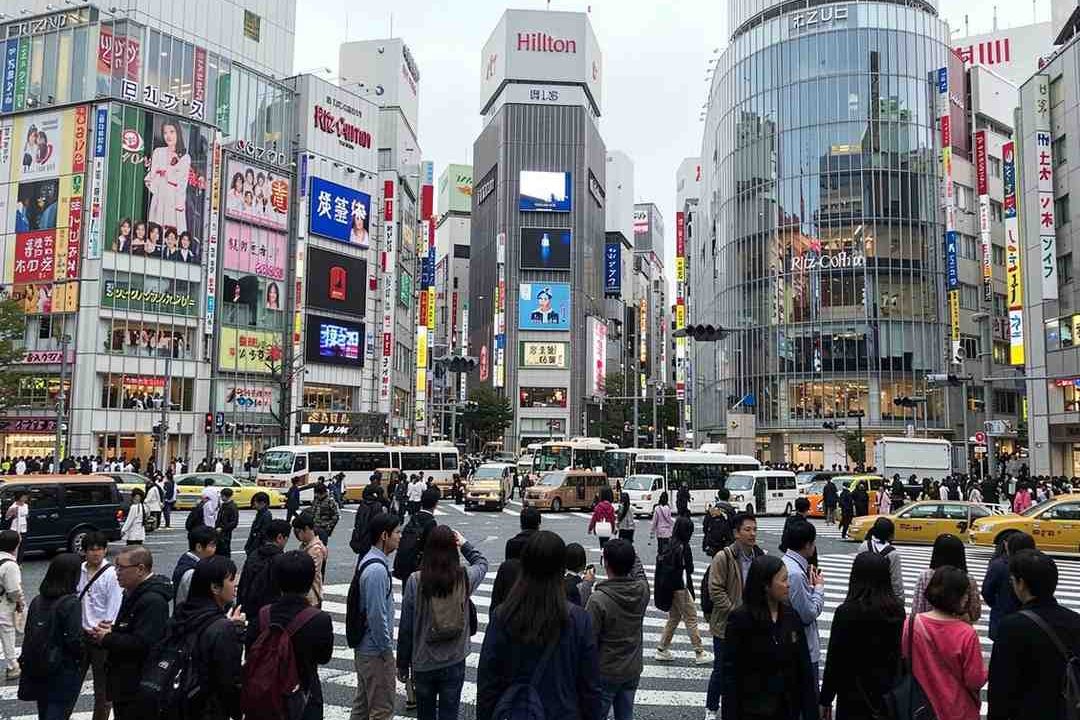
Tokyo’s most prestigious hotel rooms are selling out at a pace not seen in recent memory — and the flight paths feeding that demand are telling a clear story about where Japan’s tourism surge is really coming from.
South Korea, Taiwan, the United States, Singapore, and Thailand have emerged as the dominant source markets driving a historic wave of inbound travel to Japan. The ripple effects are being felt across two industries simultaneously: Japan Airlines is reporting a significant surge in passenger numbers and soaring international revenue, while luxury hotels in Tokyo — including the Ritz-Carlton, Hilton, and Marriott — are running at some of the highest occupancy rates in their recent histories.
This isn’t a modest uptick. By most available indicators, Japan is experiencing a tourism boom that is reshaping how its aviation and hospitality sectors operate, and the momentum shows no sign of slowing.
Why Japan Is Pulling Travelers From Across the Globe
Japan has long been a bucket-list destination, but the combination of post-pandemic pent-up demand, a favorable currency environment for foreign visitors, and the country’s enduring cultural appeal has pushed arrivals to extraordinary levels.
Travelers from South Korea represent one of the most significant contributing markets, joining Taiwan and the United States as key drivers of Japan Airlines’ international growth. Singapore and Thailand have also been identified as major contributors, rounding out a diverse mix of source markets that spans both short-haul regional routes and long-haul intercontinental flights.
For Japan Airlines specifically, the surge has translated into a remarkable uptick in demand on long-haul routes — a category that had been among the slowest to recover globally after the disruptions of the early 2020s. The airline’s international revenue has soared as a direct result of this multi-market demand wave.
What This Means for Tokyo’s Luxury Hotel Market
The aviation surge doesn’t exist in isolation. Every additional flight seat filled means one more visitor looking for somewhere to stay — and in Tokyo’s luxury segment, that demand has created a genuine supply crunch.
Properties including the Ritz-Carlton Tokyo, the Hilton, and the Marriott are experiencing full bookings alongside climbing room rates. Occupancy levels at these flagship hotels have reached some of the highest points in recent history, according to the source reporting. For travelers planning a Tokyo visit and hoping to stay at a top-tier property, the message is clear: book early, or expect to pay a significant premium.
This dynamic is particularly notable because luxury travel — once considered more insulated from broader tourism swings — is proving to be just as responsive to this demand wave as the broader market.
The Five Key Markets Driving Japan’s Tourism Boom
The source reporting identifies five primary markets as the leading contributors to both the Japan Airlines surge and the hotel booking spike in Tokyo. Here’s how they break down:
| Source Market | Route Type | Notable Impact |
|---|---|---|
| South Korea | Short-haul regional | Identified as a major new contributor to Japan Airlines surge |
| Taiwan | Short-haul regional | Key driver of international passenger growth |
| United States | Long-haul intercontinental | Significant force behind long-haul route demand increase |
| Singapore | Short-to-medium-haul regional | Major contributing market to overall surge |
| Thailand | Short-to-medium-haul regional | Major contributing market to overall surge |
The geographic spread of these markets is worth noting. Japan isn’t just pulling visitors from its immediate neighbors — it’s drawing significant long-haul traffic from the United States at the same time that regional markets in Asia are contributing high-frequency, shorter-trip travelers. That combination creates a particularly sustained form of demand pressure.
Who Feels the Impact — and How
The effects of this tourism surge are being distributed unevenly, depending on which side of the equation you’re on.
- Travelers planning a Tokyo visit should expect limited availability at high-end hotels and elevated pricing. The Ritz-Carlton, Hilton, and Marriott properties are among those seeing full bookings, which means advance planning is no longer optional — it’s essential.
- Japan Airlines passengers are benefiting from increased route availability as the airline expands to meet demand, but popular routes — particularly those connecting the U.S. and key Asian markets to Tokyo — are seeing strong competition for seats.
- The Japanese hospitality industry broadly is experiencing a financial windfall, with occupancy rates and room rates both climbing. For hotels in the luxury segment, this represents a historic period of strong performance.
- Local economies in Tokyo are absorbing an influx of international spending across dining, retail, and cultural experiences — a dynamic that carries both economic benefit and the ongoing challenge of managing visitor volumes sustainably.
Observers note that the scale of this surge places meaningful pressure on infrastructure and hospitality capacity, particularly in a city like Tokyo where premium accommodation inventory is finite.
What Comes Next for Japan’s Booming Travel Sector
The trajectory described in the source reporting — sustained, multi-market demand driving both airline and hotel performance — suggests this isn’t a short-term spike. The breadth of contributing markets, from long-haul American travelers to high-frequency regional visitors from South Korea and Taiwan, points to structural demand rather than a single event-driven peak.
For Japan Airlines, continued strong international revenue performance appears likely as long as these source markets maintain their appetite for Japan travel. The airline’s long-haul routes, in particular, stand to benefit from sustained U.S. demand.
For Tokyo’s luxury hotel sector, the immediate outlook is one of continued high occupancy and elevated pricing. Whether new capacity enters the market to ease pressure remains an open question — but in the near term, travelers should plan for a competitive booking environment at the city’s most sought-after properties.
Japan’s tourism boom is, by every available measure, a genuine phenomenon. The only real uncertainty is how long the current intensity of demand can be sustained — and whether the infrastructure supporting it can keep pace.
Frequently Asked Questions
Which countries are driving the most growth for Japan Airlines?
South Korea, Taiwan, the United States, Singapore, and Thailand have all been identified as major contributors to Japan Airlines’ international passenger surge.
Which Tokyo hotels are seeing record bookings?
The Ritz-Carlton, Hilton, and Marriott in Tokyo are among the properties experiencing some of the highest occupancy rates in recent history, with full bookings and rising room rates reported.
Is this surge affecting long-haul routes specifically?
Yes — Japan Airlines’ long-haul routes have seen a remarkable uptick in demand, with the United States identified as a key driver of that segment’s growth.
When did this tourism surge begin to accelerate?
The source reporting references 2025 as the period during which Japan Airlines recorded a significant surge in passenger numbers driven by these key markets.
Will hotel prices in Tokyo come down soon?
This has not been confirmed in
Is South Korea a new contributor to this trend?
According to the source reporting, South Korea has joined Taiwan, the U.S., Singapore, and Thailand as a major contributor — suggesting its role as a top source market has grown more prominent alongside this broader surge.




Leave a Reply