
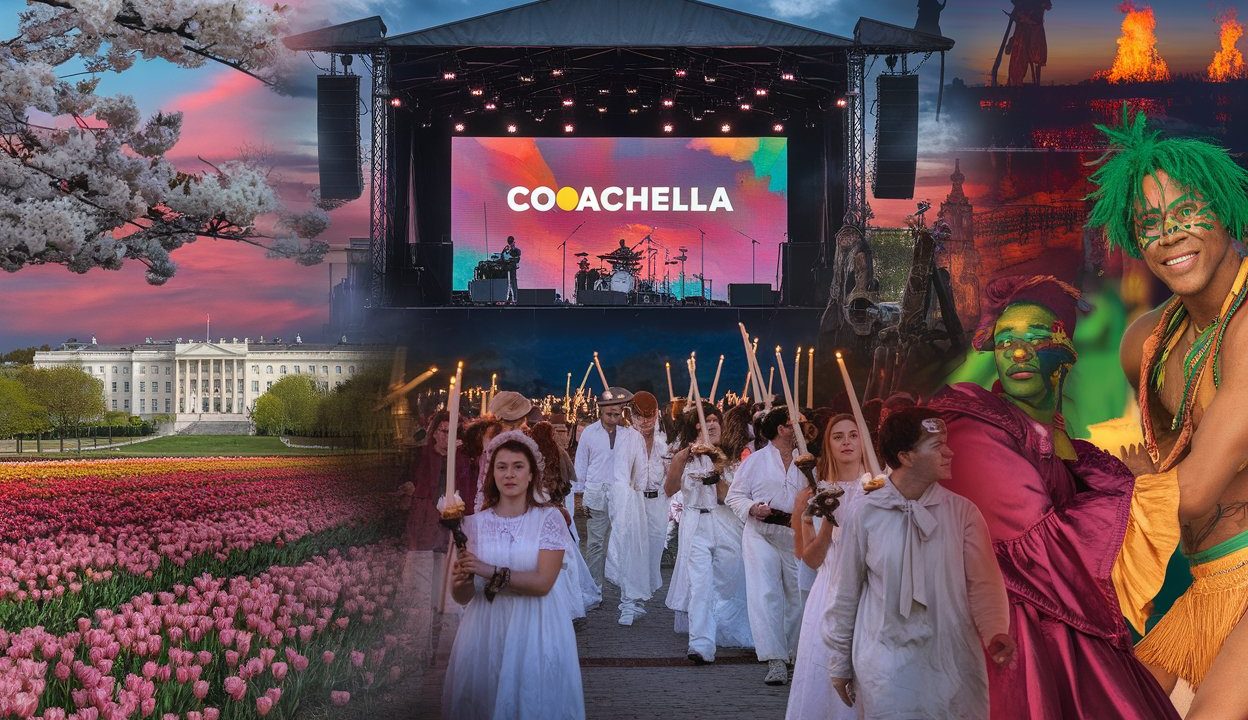
A wave of cultural festivals and signature events is reshaping international travel patterns, with destinations across Europe, the Americas, and beyond positioning themselves to capture surging global demand. From Spain’s celebrated traditions to Jamaica’s vibrant music culture, Finland’s seasonal spectacles, and major gatherings across the United States, Italy, the Netherlands, and the United Kingdom, the world’s most popular destinations are doubling down on experience-driven tourism as a core growth strategy.
The timing is significant. Travel demand has rebounded strongly in recent years, and destinations are now competing not just on beaches and landmarks, but on the richness of their cultural calendars. Events and festivals have emerged as one of the most powerful forces pulling visitors off the beaten path — and into cities, towns, and regions they might never have considered otherwise.
For travelers, this means more reasons to book. For airlines, hotels, and local businesses, it means a longer and more distributed tourism season that goes well beyond the traditional summer rush.
Why Festivals and Events Have Become Tourism’s Most Powerful Engine
There’s a straightforward reason why so many countries are investing in cultural programming: it works. Events create urgency. Unlike a landmark that will always be there, a festival has a date. That deadline drives bookings, fills hotel rooms, and generates economic activity that spreads well beyond the event venue itself.
Spain has long understood this dynamic. Its calendar of regional festivals — from flamboyant street celebrations to deeply rooted historical commemorations — draws visitors who return year after year. That consistency builds loyalty in a way that passive sightseeing rarely does.
The United States, with its sheer geographic scale, offers a different model: a near-endless rotation of events spanning music, food, film, art, and heritage across dozens of major cities and thousands of smaller communities. Jamaica brings its own magnetic pull through music and cultural identity, while Finland has carved out a niche with experiences tied to its unique seasonal extremes and arts scene.
Italy and the Netherlands, meanwhile, blend world-class museums and historic infrastructure with a growing emphasis on contemporary festivals that attract younger, experience-focused travelers. The UK continues to leverage its unmatched concentration of global cultural institutions alongside a festival calendar that draws visitors from every continent.
A Snapshot of What’s Driving Travel Across These Destinations
While the specific events vary widely by country, the underlying strategy is consistent: use cultural programming to extend visitor stays, attract higher-spending travelers, and distribute tourism pressure away from overcrowded hotspots.
| Destination | Tourism Approach | Key Draw |
|---|---|---|
| Spain | Regional cultural festivals and traditional celebrations | Deep-rooted heritage events with strong repeat visitation |
| United States | Diverse, year-round event calendar across major cities | Music, food, arts, and heritage festivals at scale |
| Jamaica | Music and cultural identity tourism | Globally recognized music culture and vibrant local events |
| Finland | Seasonal experience tourism and arts programming | Unique seasonal extremes and distinctive cultural offerings |
| United Kingdom | World-class institutions plus active festival calendar | Cultural institutions drawing visitors from every continent |
| Netherlands | Contemporary festivals alongside historic infrastructure | Younger, experience-focused international travelers |
| Italy | Blend of heritage sites and modern cultural events | Art, history, and growing contemporary festival scene |
What This Tourism Surge Means for Travelers and the Industry
For anyone planning international travel, this moment represents genuine opportunity. More destinations are actively competing for visitors, which tends to translate into more flight routes, better hotel availability in emerging areas, and a richer menu of experiences to choose from.
The practical effect is that travelers no longer need to default to the same handful of iconic cities. A festival in a smaller Spanish region, a cultural event in a Finnish city, or a music gathering in Jamaica can now anchor an entire trip — and the surrounding infrastructure is increasingly built to support it.
Airlines are paying close attention. When a destination announces a major event, carriers often respond with increased capacity on relevant routes, sometimes introducing seasonal services that wouldn’t otherwise exist. Hotels and short-term rental platforms similarly adjust pricing and availability around confirmed event dates.
For the destinations themselves, the stakes are high. Cultural tourism tends to attract visitors who spend more per day, stay longer, and engage more deeply with local businesses — from restaurants and markets to guides and artisans. That economic profile is far more valuable than the rapid-turnover, low-spend visitor that mass tourism sometimes produces.
- Visitors concentrate in a small number of iconic hotspots, creating overcrowding and uneven economic benefit across the destination.
- Tourism activity peaks sharply in summer months, leaving hotels and businesses struggling in the off-season.
- Travelers often spend less per day, moving quickly between landmarks with limited local economic engagement.
- Cultural events draw visitors to a wider range of cities and regions, distributing tourism pressure more evenly.
- A year-round festival calendar extends the active tourism season well beyond traditional summer peaks.
- Experience-focused travelers typically stay longer and spend more, benefiting local restaurants, guides, and artisan businesses.
What Comes Next as Global Travel Demand Keeps Rising
The momentum behind this trend shows no sign of slowing. As global travel demand continues to climb, destinations that have invested in cultural programming are well positioned to capture a disproportionate share of that growth.
Spain, the United States, Jamaica, Finland, the UK, the Netherlands, Italy, and their peers are not simply reacting to rising demand — they are actively shaping it. By building compelling event calendars, they are giving travelers a specific reason to choose them over a competitor, and a specific date to book around.
For the travel industry broadly — airlines, hotels, tour operators, and local businesses — the message is clear: the destinations that thrive in the years ahead will be those that offer more than scenery. They will offer experiences that cannot be replicated, postponed, or streamed from home.
Travelers who stay alert to festival calendars across these countries will find themselves with more options, more competitive pricing on routes tied to events, and a richer experience than the standard itinerary typically delivers.
Frequently Asked Questions
Which countries are currently fuelling tourism growth through cultural festivals and events?
Spain, the United States, Jamaica, Finland, the United Kingdom, the Netherlands, and Italy are among the destinations actively using cultural festivals and new events to drive visitor demand.
Why are festivals considered such an effective tourism driver?
Events create a fixed date that generates booking urgency, fills accommodation, and produces economic activity well beyond the event venue itself — benefits that passive sightseeing rarely replicates.
How does event-driven tourism benefit local economies?
Cultural tourists tend to stay longer, spend more per day, and engage more deeply with local businesses including restaurants, markets, and artisans, making them more economically valuable than rapid-turnover visitors.
Are airlines responding to the growth in festival tourism?
Airlines have been known to increase capacity and introduce seasonal routes in response to confirmed major events at destinations, improving access for travelers planning event-focused trips.
Is this tourism trend expected to continue?
Based on current patterns, global travel demand is rising and destinations investing in cultural programming are positioned to capture a growing share of that demand going forward.
What does this mean for travelers planning international trips?
Travelers have more experience-driven options than ever, with a growing number of destinations building event calendars that can anchor entire trips and unlock competitive flight and accommodation availability.

Leave a Reply