
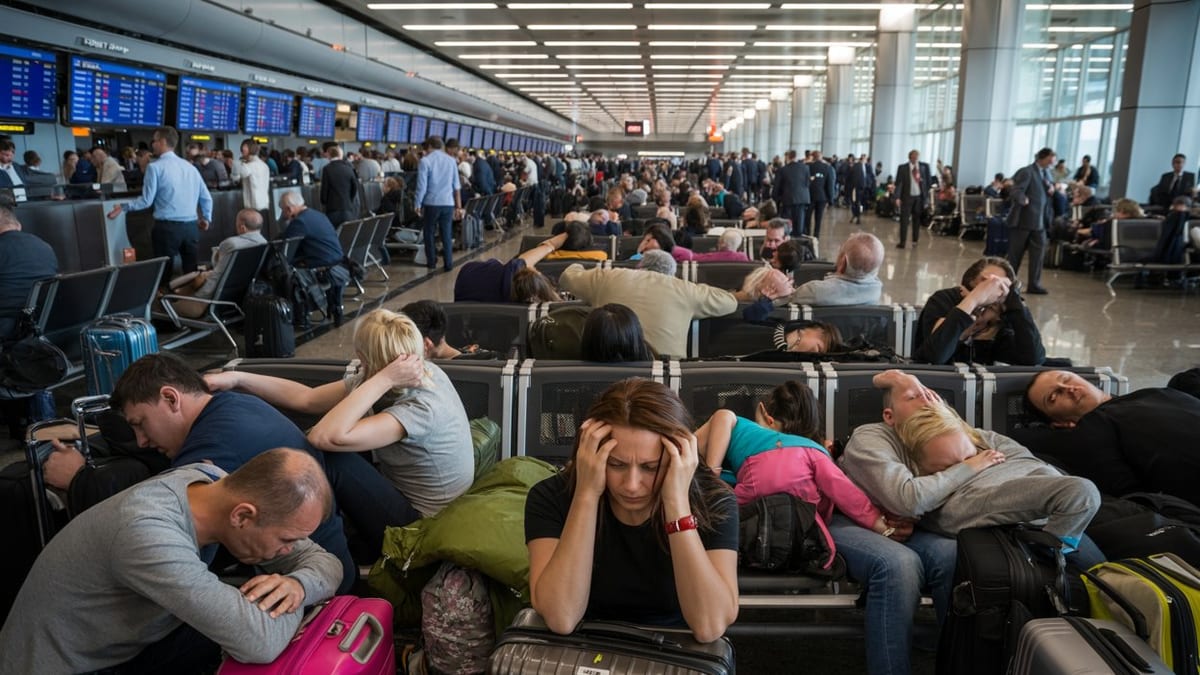
More than 45 flights were cancelled across Brazil in recent days, leaving thousands of passengers stranded or scrambling for alternatives at some of the country’s busiest airports. The disruptions hit both domestic and international routes, stretching from São Paulo all the way to Miami.
The cancellations primarily affected two of Brazil’s major carriers — TAM and Azul Airlines — and rippled across a wide network of destinations that millions of travelers depend on every week. For anyone with upcoming travel through Brazil’s major hubs, the situation serves as a sharp reminder of how quickly large-scale disruptions can cascade through an entire aviation network.
The scale of what unfolded was significant. Multiple airports were affected simultaneously, delays and rerouting compounded the chaos, and the list of disrupted destinations grew longer than most passengers could have anticipated when they booked their tickets.
What Triggered the Brazil Flight Cancellations
The disruptions centered on four major airports: São Paulo-Guarulhos International (SBGR), São Paulo-Congonhas (SBSP), Presidente Juscelino Kubitschek in Brasília (SBBR), and Viracopos International in Campinas (SBKP). These are among the most trafficked aviation hubs in South America, meaning disruptions at any one of them tend to have knock-on effects across the entire network.
São Paulo-Guarulhos, in particular, faced evening and night disruptions — a difficult window for passengers since overnight cancellations often leave travelers without same-day rebooking options and force unplanned hotel stays.
TAM and Azul were the two carriers most directly caught in the disruptions. Both airlines operate extensive domestic networks in Brazil, and their combined reach meant the cancellations were felt far beyond the immediate São Paulo region.
Every Route and Airport Caught in the Disruption
The affected destinations spanned an unusually wide geographic range — from major metropolitan centers to smaller regional airports. Here’s a breakdown of what was impacted:
- São Paulo – Guarulhos International (SBGR)
- São Paulo – Congonhas (SBSP)
- Brasília – Presidente Juscelino Kubitschek (SBBR)
- Campinas – Viracopos International (SBKP)
- Recife – Deputado Luis Eduardo Magalhaes
- Miami (international route)
- Palmas
- Tocumen
- Tancredo Neves
- Salgado Filho
- Marechal Rondon
- Afonso Pena
- Marechal Cunha Machado
- Santos Dumont
- São José do Rio Preto
- Leite Lopes
- Marília
- Maringá
| Airport / Hub | ICAO Code | Role in Disruption |
|---|---|---|
| São Paulo – Guarulhos International | SBGR | Evening and night disruptions |
| São Paulo – Congonhas | SBSP | Domestic route cancellations |
| Brasília – Pres. Juscelino Kubitschek | SBBR | Affected hub for TAM and Azul |
| Campinas – Viracopos International | SBKP | Azul Airlines primary base disrupted |
Who Was Hit Hardest — and What They Faced
The passengers most severely affected were those traveling on routes connecting Brazil’s major cities to smaller regional airports. When a hub like Guarulhos or Congonhas experiences mass cancellations, travelers heading to smaller destinations — Marília, Maringá, São José do Rio Preto — often have the fewest alternatives and the longest waits for rebooking.
International travelers weren’t spared either. The Miami route, one of the most important connections between Brazil and the United States, was among the disrupted services. For business travelers and tourists alike, a cancelled international flight carries consequences that go well beyond a missed connection — think visa deadlines, hotel bookings, cruise departures, and onward travel plans that can unravel quickly.
Passengers on TAM and Azul flights faced delays and rerouting across the board. In practical terms, that meant hours at the airport, rebooking queues, and — for those caught in overnight cancellations at Guarulhos — the added burden of finding accommodation at short notice.
The disruption also highlighted how interconnected Brazil’s aviation network really is. A wave of cancellations at São Paulo’s airports doesn’t just affect São Paulo travelers. It sends ripples to Brasília, Campinas, and every regional destination that depends on connecting flights through the capital’s hubs.
What Affected Passengers Should Do Now
If you have upcoming travel through any of the affected airports or on TAM and Azul routes, the first step is to check your flight status directly with your airline before heading to the airport. Cancellation waves like this one often continue for days as airlines work to reposition aircraft and crew.
Passengers whose flights were cancelled are generally entitled to rebooking on the next available service, a full refund, or — in cases of significant delay — meals and accommodation, depending on the circumstances and applicable passenger rights regulations in Brazil.
Travelers with connections through São Paulo’s airports should build in extra buffer time and have a backup plan ready, particularly for international departures where missed connections carry higher stakes. Viracopos in Campinas, which serves as Azul’s primary hub, is worth monitoring closely given the carrier’s direct involvement in the disruptions.
The situation is a reminder that travel insurance covering flight cancellations and delays is worth having — especially on itineraries that route through busy Brazilian hubs during periods of operational stress.
Frequently Asked Questions
Which airlines were most affected by the Brazil flight cancellations?
TAM and Azul Airlines were the two carriers primarily impacted by the disruptions, which affected both domestic and international routes.
Which airports saw the most disruption?
The four main airports affected were São Paulo-Guarulhos (SBGR), São Paulo-Congonhas (SBSP), Brasília’s Presidente Juscelino Kubitschek (SBBR), and Viracopos International in Campinas (SBKP).
Were any international flights cancelled?
Yes — the Miami route was among the international services disrupted, alongside a range of domestic destinations across Brazil.
How many flights were cancelled in total?
More than 45 flights were cancelled across the affected airports and routes during the disruption period.
What should I do if my TAM or Azul flight was cancelled?
Contact your airline directly to request rebooking, a refund, or information about your entitlements under Brazilian passenger rights rules. Check your flight status before traveling to the airport.
Was Campinas airport affected?
Yes — Viracopos International Airport in Campinas (SBKP) was one of the four major hubs caught in the disruptions, which is particularly significant as it serves as a primary base for Azul Airlines.



Leave a Reply