
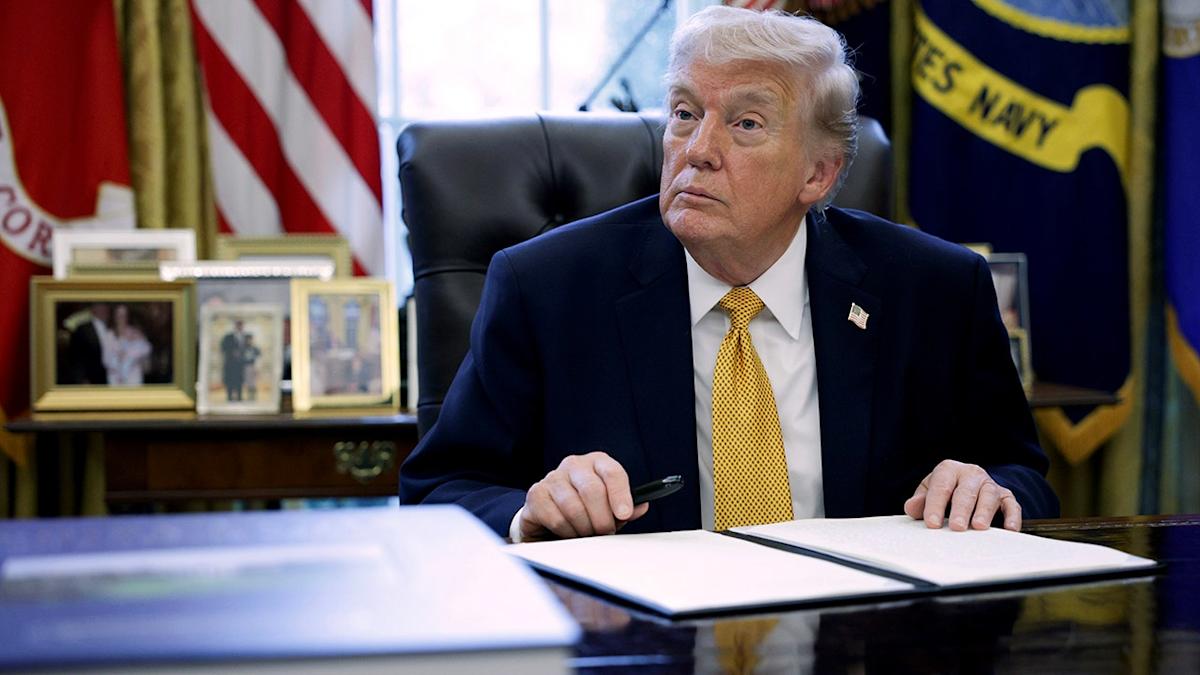
When a sitting U.S. president suggests that capturing a sovereign Caribbean nation could be considered an “honor” for his administration, the ripple effects reach far beyond diplomacy — they land directly on travelers, tourism economies, and the future of Caribbean travel itself.
That is precisely where things stand following remarks made by President Donald Trump about Cuba, comments that have dramatically intensified an already fragile geopolitical situation. Coupled with reports of a near-total collapse of Cuba’s electrical grid and a tightening oil blockade, the island is facing a crisis that is reshaping how the world — and tourists — think about visiting Havana.
For anyone planning a Caribbean trip, or anyone who has watched Cuba’s complicated relationship with the United States for decades, this moment feels different. Here is what is actually happening and what it means for travel right now.
What Trump Said — and Why It Escalated Tensions So Quickly
During a high-profile speech, President Trump framed Cuba as a fundamentally weakened nation, citing a catastrophic energy crisis and what officials have described as a tightening oil blockade as evidence of the island’s vulnerability. The suggestion that capturing Cuba could be an “honor” achievable under the current administration was not a passing remark — it landed as a direct challenge to Cuban sovereignty and set off immediate concern across diplomatic circles.
These comments mark what many observers are calling a modern zenith in the long, fraught history between Washington, D.C., and Havana. The United States and Cuba have been locked in adversarial positions since the early 1960s, but the framing of potential territorial acquisition is a significant rhetorical escalation that goes beyond the familiar language of sanctions and embargo tightening.
The implications for international diplomacy are considered profound. When a major global power openly discusses the possibility of regime change or acquisition involving a neighboring sovereign state, other nations take notice — and so do travel advisories, insurance underwriters, and airlines.
Cuba’s Energy Crisis: The Context Behind the Crisis
To understand why Trump’s comments landed with such weight, it helps to understand what Cuba is actually experiencing on the ground. Reports indicate the country is dealing with a collapse of its electrical grid — a crisis described as catastrophic in scale. The cumulative pressure of an oil blockade has been cited as a central driver of this breakdown.
For ordinary Cubans, this means prolonged blackouts and severe shortages of basic resources. For the tourism sector, it signals an environment that is increasingly difficult to navigate — infrastructure challenges, supply disruptions, and an atmosphere of deep uncertainty.
| Factor | Current Status | Impact on Travel |
|---|---|---|
| Electrical Grid | Reported near-total collapse | Widespread blackouts affecting hotels, transport, and services |
| Oil Supply | Tightening blockade in effect | Fuel shortages disrupting local infrastructure |
| U.S.-Cuba Diplomatic Relations | At a reported modern zenith of tension | Increased uncertainty around travel authorization and safety advisories |
| Geopolitical Rhetoric | Trump comments on potential “capture” | Heightened international concern, possible travel advisory changes |
What This Means for Tourists Right Now
If you are a traveler with Cuba on your itinerary — or even loosely on your radar — the current situation demands attention. The combination of infrastructure collapse and escalating U.S. rhetoric creates a travel environment that is genuinely unpredictable in ways it has not been before.
For U.S. citizens specifically, travel to Cuba already operates under a complex web of restrictions tied to longstanding embargo rules. Those rules have shifted back and forth across administrations, and the current political climate suggests further tightening is more likely than any relaxation. Travelers from other countries face fewer legal restrictions, but the practical challenges on the ground — power outages, fuel shortages, and a strained local economy — are universal concerns.
- Infrastructure disruptions linked to the electrical grid collapse may affect accommodation, transportation, and communication services
- The oil blockade’s effects on fuel availability could impact local transport and tour operations
- Heightened diplomatic tensions may lead to updated travel advisories from multiple governments
- Travel insurance coverage and cancellation policies may be affected by escalating geopolitical risk designations
- Airlines and cruise lines with Caribbean routes are likely monitoring the situation closely
How Caribbean Travel Could Be Changed Permanently
Cuba’s crisis does not exist in isolation. The Caribbean tourism economy is deeply interconnected, and when one major destination becomes unstable — particularly one with as much cultural and historical draw as Cuba — the effects spread across the region.
Travelers who might have chosen Havana may redirect to other Caribbean destinations. That shift in demand has implications for hotel pricing, flight availability, and tourism investment patterns across the region. Destinations like Jamaica, the Dominican Republic, and others have historically benefited when Cuba has been less accessible to American travelers, and that dynamic may reassert itself.
More broadly, analysts and observers have noted that the narrative of potential U.S. territorial ambition in the Caribbean — however rhetorical it may be — introduces a new layer of geopolitical instability into a region that tourism industries depend on projecting as peaceful and welcoming. That perception shift, once established, can take years to reverse.
What Happens Next for Cuba and Caribbean Travel
The situation remains fluid. Whether Trump’s remarks translate into concrete policy action — additional sanctions, diplomatic moves, or something more significant — has not been confirmed. What is clear is that the U.S. is intensifying its economic and diplomatic pressure on Cuba, and the Cuban government is operating under severe internal strain.
For travelers, the practical advice is straightforward: monitor official travel advisories from your home government, review cancellation and insurance policies carefully, and stay informed as conditions develop. For the Caribbean travel industry, the larger question is whether this moment represents a temporary escalation or the beginning of a lasting realignment in how the region is perceived and visited.
Cuba has endured decades of isolation and economic pressure. But the convergence of a grid collapse, an oil blockade, and openly aggressive U.S. rhetoric represents a genuinely new chapter — one with consequences that extend well beyond the island’s shores.
Frequently Asked Questions
What did President Trump say about Cuba?
During a high-profile speech, Trump suggested that capturing Cuba could be considered an “honor” achievable under his administration, framing the island as fundamentally weakened by an energy crisis and oil blockade.
Is Cuba currently experiencing a power crisis?
Yes. Reports cited in connection with the current situation describe a near-total collapse of Cuba’s electrical grid, attributed in part to the cumulative effects of a tightening oil blockade.
Can U.S. citizens still travel to Cuba?
U.S. travel to Cuba already operates under significant restrictions tied to longstanding embargo rules. The current political climate suggests further tightening is more likely than any easing of those restrictions, though no specific new policy changes have been confirmed in
How might this affect other Caribbean destinations?
When Cuba becomes less accessible or stable as a destination, travelers historically redirect to other Caribbean islands, which can shift demand, pricing, and tourism investment patterns across the region.
Should travelers with existing Cuba bookings be concerned?
Given the infrastructure disruptions and escalating geopolitical tensions, travelers are advised to review their travel insurance and cancellation policies carefully and monitor official government travel advisories for updates.
Is there any confirmed military or territorial action against Cuba?
No.



Leave a Reply