
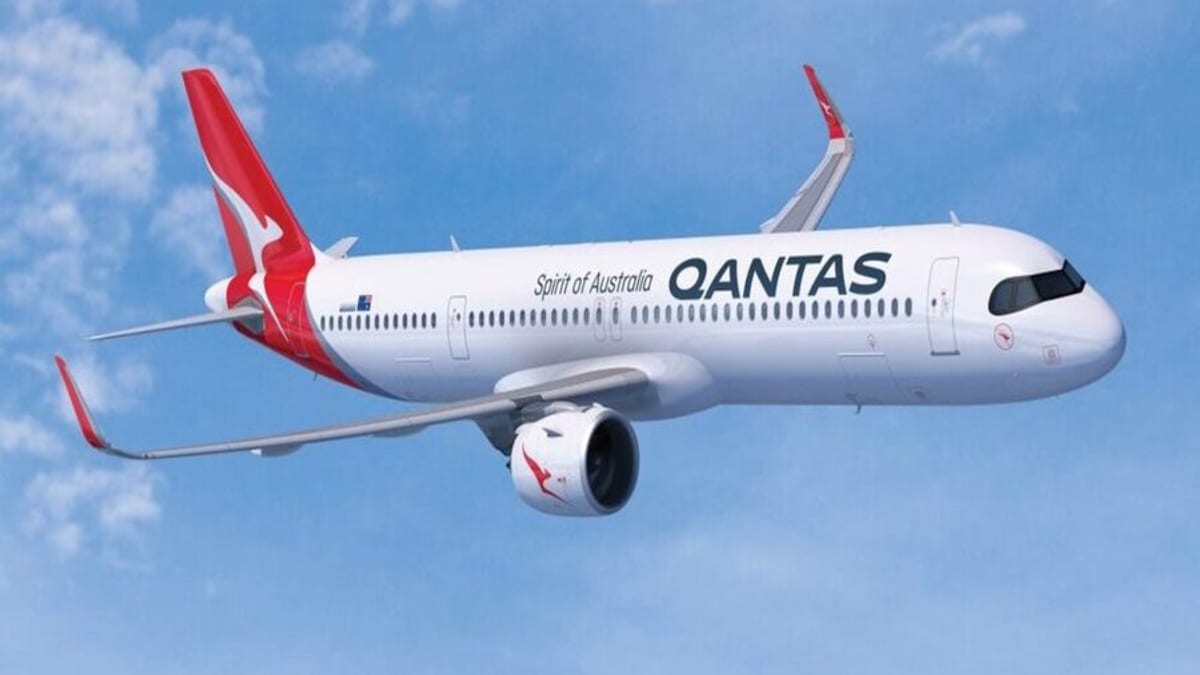
A growing number of countries across the Middle East and beyond are caught up in a widening regional crisis — and global airlines are already changing how they fly to keep passengers out of harm’s way. Qantas, Australia’s flagship carrier, has taken the notable step of accelerating its flight schedules to Europe in direct response to the deteriorating security environment.
The United Arab Emirates has now joined a volatile roster of nations entangled in the escalating situation, alongside Qatar, Saudi Arabia, Jordan, Turkey, Kuwait, Bahrain, Cyprus, the United States, and Israel. The breadth of that list — spanning multiple continents and geopolitical alignments — signals just how far-reaching this crisis has become.
For travelers with flights booked through the region, or simply anyone watching the situation unfold, the ripple effects are already being felt on flight paths, departure times, and airline safety protocols.
What Is Actually Happening Across the Region
The Middle East has long been a region where political complexity can shift quickly into genuine instability. What makes the current situation notable is the sheer number of countries now involved — not just neighboring states, but major global powers and transit hubs that handle enormous volumes of international air traffic every day.
The UAE, home to Dubai International Airport — one of the world’s busiest — is a particularly significant addition to the list of affected nations. Millions of passengers transit through the Gulf each year, and any disruption to the airspace or security environment there has immediate consequences for global aviation routes.
The crisis is described as volatile and evolving, with regional and international responses still taking shape. Airlines operating long-haul routes that pass through or near affected airspace are under pressure to act quickly and decisively.
How Qantas Is Responding — and Why It Matters
Qantas has made a clear operational decision: accelerate Europe-bound flight schedules to protect passenger safety. This is a proactive move, not a reactive one made after an incident — and that distinction matters.
Airlines operating long routes between Australia and Europe typically pass through or near Middle Eastern airspace. When that airspace becomes unpredictable, carriers face a difficult choice between maintaining schedules and rerouting flights that can add hours and significant fuel costs to already long journeys.
By accelerating its Europe flights, Qantas is effectively adjusting the timing and potentially the routing of services to reduce exposure to the most volatile zones. The airline’s decision reflects a broader industry pattern: when regional tensions spike, safety-conscious carriers move first and move fast.
| Country | Role in the Crisis | Aviation Significance |
|---|---|---|
| United Arab Emirates | Newly joined the affected roster | Home to one of the world’s busiest international airports |
| Qatar | Part of the escalating situation | Major Gulf aviation hub and long-haul transit point |
| Saudi Arabia | Part of the escalating situation | Critical airspace corridor for Europe-Asia routes |
| Jordan | Part of the escalating situation | Key regional transit state |
| Turkey | Part of the escalating situation | Major crossroads between European and Middle Eastern airspace |
| Kuwait | Part of the escalating situation | Gulf state with significant overfly traffic |
| Bahrain | Part of the escalating situation | Hosts major international air traffic management infrastructure |
| Cyprus | Part of the escalating situation | Eastern Mediterranean gateway between Europe and the Middle East |
| United States | Part of the escalating situation | Global military and diplomatic presence across the region |
| Israel | Part of the escalating situation | Regional airspace directly affected by ongoing conflict dynamics |
What This Means for Travelers Right Now
If you have flights booked with Qantas to or from Europe, you may notice changes to your departure or arrival times. The airline’s decision to accelerate schedules is framed as a passenger safety measure, so any adjustments should be understood in that context rather than as service disruptions.
More broadly, travelers transiting through any of the affected countries — the UAE, Qatar, Turkey, Cyprus, or others on the list — should stay closely informed. Travel advisories from government agencies can change rapidly during periods of regional tension, and what is considered safe transit today may look different within days.
For passengers booked on routes that cross Middle Eastern airspace, the practical impacts could include:
- Adjusted departure and arrival times as airlines accelerate or retime schedules
- Potential rerouting of flights to avoid specific airspace zones
- Increased uncertainty around connections through Gulf hub airports
- Possible short-notice schedule changes as the situation continues to evolve
- Updated travel advisories for countries including the UAE, Qatar, Saudi Arabia, Jordan, Turkey, Kuwait, Bahrain, Cyprus, and Israel
The situation is particularly relevant for Australian travelers, given Qantas’s role as the national carrier and the frequency with which Australia-Europe routes pass through or near the affected region.
What Happens Next as the Crisis Unfolds
The situation remains fluid. Regional crises of this scale rarely resolve quickly, and the involvement of so many nations — each with its own diplomatic, military, and economic interests — means the picture could shift significantly in the days and weeks ahead.
For Qantas, the accelerated Europe schedule is described as a proactive safety measure, suggesting the airline is anticipating a period of continued uncertainty rather than a brief disruption. Other international carriers operating similar routes are likely watching the situation closely and may implement their own schedule or routing adjustments.
Travelers are advised to check directly with their airline for the most current information on any affected routes. Government travel advisory pages for Australia, the US, and European nations are also updating their guidance as conditions change on the ground.
The broader diplomatic and security response from the many nations involved will shape how long and how severely aviation in the region is affected. Until the situation stabilizes, flexibility — and close attention to official communications — remains the most practical approach for anyone with travel plans touching this part of the world.
Frequently Asked Questions
Why is Qantas accelerating its Europe flights?
Qantas is accelerating its Europe-bound flight schedules as a proactive safety measure in response to the escalating and volatile situation across the Middle East.
Which countries are involved in the Middle East crisis?
The countries identified as part of the crisis include the UAE, Qatar, Saudi Arabia, Jordan, Turkey, Kuwait, Bahrain, Cyprus, the United States, and Israel.
Will my Qantas flight to Europe be cancelled?
The airline’s stated action is to accelerate schedules rather than cancel flights, but travelers should check directly with Qantas for the latest updates on their specific booking.
Should I avoid traveling through Gulf hub airports right now?
The situation is described as volatile and evolving — travelers are advised to monitor government travel advisories and airline communications closely before and during any travel through the affected region.
Are other airlines also changing their routes or schedules?
How quickly could the situation change?
Regional crises of this nature can shift rapidly — Qantas’s proactive response suggests the airline is preparing for a sustained period of uncertainty rather than a brief disruption.




Leave a Reply