
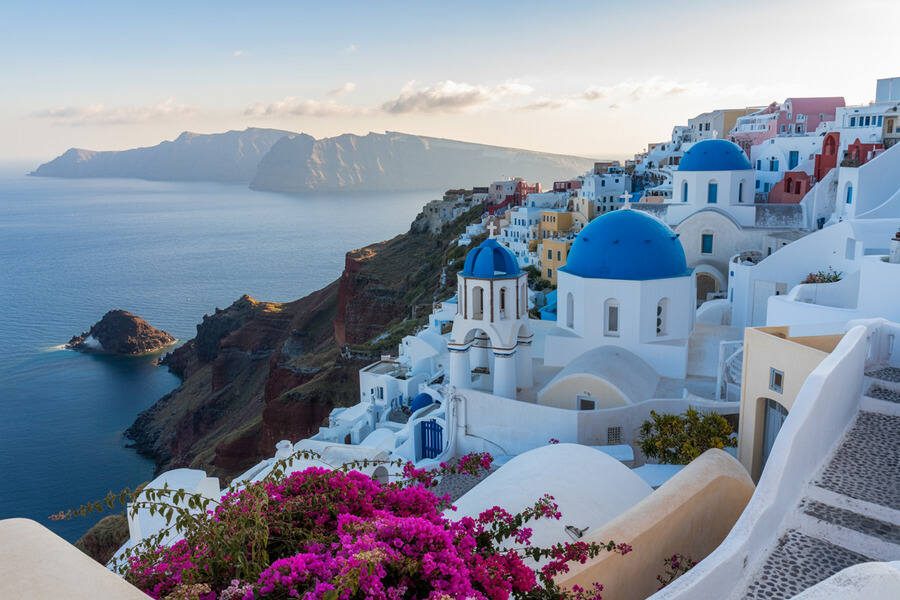
Britain has quietly become Greece’s most powerful tourism engine — overtaking major travel markets including Turkey, Germany, the United States, and France to become the single biggest driver behind a record-breaking surge in international arrivals to the country.
The numbers tell a striking story. Greece has recorded an increase of over five percent in international arrivals, a milestone that tourism analysts and travel industry observers are attributing in significant part to a sharp rise in visitors from the United Kingdom. That kind of growth, at scale, is not accidental — it reflects a convergence of pricing advantages, expanded flight routes, and targeted marketing that has made Greece the Mediterranean destination of choice for British travelers.
For a country whose economy has long leaned heavily on tourism, this moment carries real weight. And for anyone planning a Mediterranean holiday — or working in the travel industry — understanding what is driving this shift matters.
How the United Kingdom Took the Top Spot in Greece’s Tourism Growth
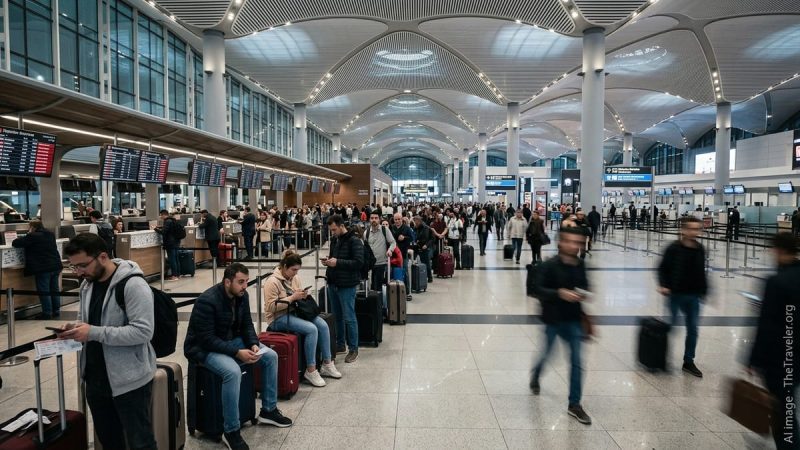
Several forces combined to push British visitors to the front of the pack. According to the source reporting, enhanced flight capacities from the UK played a central role. More seats on more routes means more British travelers can realistically book a Greek holiday without facing the friction of limited availability or inflated airfare.
At the same time, favorable exchange rates have made Greece competitively priced for British tourists. When the pound stretches further in euros, Greece starts to look like exceptional value compared with other long-haul or even short-haul alternatives. That pricing advantage is not something Greek tourism authorities manufactured — it emerged from broader currency dynamics — but Greece has benefited from it in a real and measurable way.
The third factor is deliberate: effective marketing campaigns targeting British travelers seeking Mediterranean destinations. Greece has positioned itself not just as a beach destination but as a cultural and leisure gateway, and that messaging appears to be resonating with UK audiences in a way that is outpacing the draw of rival countries.
Why This Growth Stands Out Against Major Rivals
The fact that the UK has overtaken countries like Germany, Turkey, France, and the United States in contributing to Greece’s tourism growth is worth pausing on. These are not minor markets. Germany has historically been one of the largest sources of tourists for Greece. The United States sends high-spending travelers. France and Turkey both have strong cultural and geographic connections to the Mediterranean region.
For Britain to emerge above all of them signals something more than a temporary spike. It suggests a broader structural shift in European — and transatlantic — travel patterns, with Greece increasingly capturing a disproportionate share of British holiday demand.
| Factor Driving UK Tourism to Greece | Impact on Arrivals |
|---|---|
| Enhanced flight capacities from the UK | Greater accessibility and seat availability |
| Favorable exchange rates (GBP vs EUR) | Competitive pricing for British travelers |
| Targeted UK marketing campaigns | Higher demand from British leisure and cultural tourists |
| Greece’s Mediterranean positioning | Premier destination for leisure and cultural tourism |
What This Means for Greece’s Place in Mediterranean Travel
Greece has long competed for the title of the Mediterranean’s top destination. Italy, Spain, Croatia, and Turkey all make strong cases. But the latest arrivals data, and particularly the UK’s dominant role in that growth, reinforces Greece’s standing as what observers are now describing as the Mediterranean’s premier gateway for both leisure and cultural tourism.
That is a significant label to carry — and one that comes with both opportunity and pressure. More tourists mean more revenue, more jobs in hospitality and transport, and more visibility on the global stage. It also means managing infrastructure, preserving popular sites, and ensuring that the quality of experience keeps pace with growing demand.
Greece’s picturesque coastlines and deep historical heritage have always been the draw. What has changed is the scale at which British travelers, in particular, are choosing to act on that appeal.
The Real-World Consequences for Travelers and the Industry
For British tourists, the current environment is arguably one of the more favorable moments in recent years to visit Greece. Flight capacity is up, prices are competitive relative to the pound, and the destination is actively courting UK visitors with tailored campaigns.
For the Greek travel industry — hotels, tour operators, local businesses — the surge in UK arrivals represents a meaningful revenue opportunity. British tourists tend to book package holidays as well as independent travel, meaning the economic benefit spreads across multiple sectors rather than concentrating in one.
For rival markets like Turkey, Germany, and France, the data is a reminder that Mediterranean tourism is a competitive space. Greece’s rise in UK arrivals does not mean those countries are losing tourists overall, but it does mean Greece is winning a larger share of British travel spend — and that is not a position competitors will ignore for long.
What to Watch as Greece’s Tourism Season Develops
The over five percent increase in arrivals represents a record-breaking benchmark, and the question now is whether that momentum holds through the peak summer season. The factors that drove UK growth — flight capacity, exchange rates, and marketing — are not guaranteed to remain constant.
Currency fluctuations could shift the pricing equation. Airlines adjust routes seasonally. And traveler preferences, as the pandemic years demonstrated, can change faster than the industry expects.
What seems more durable is Greece’s deliberate effort to position itself as a year-round Mediterranean destination rather than a purely summer one. If that strategy succeeds, the record-breaking arrivals figures of early 2026 may look like the beginning of a longer trend rather than a single strong season.
Frequently Asked Questions
Which country is now the biggest contributor to Greece’s tourism growth?
The United Kingdom has overtaken Turkey, Germany, the United States, France, and other major markets to become the leading driver of Greece’s international arrivals growth.
How much have international arrivals to Greece increased?
Greece has recorded a record-breaking increase of over five percent in international arrivals, according to the reporting.
What is driving the surge in British tourists visiting Greece?
Three key factors have been identified: enhanced flight capacities from the UK, competitive pricing due to favorable exchange rates, and effective marketing campaigns targeting British travelers seeking Mediterranean destinations.
Has Greece overtaken other Mediterranean destinations in attracting UK tourists?
The data suggests Greece is positioning itself as the Mediterranean’s premier gateway for leisure and cultural tourism, outpacing rivals in capturing British travel demand, though direct comparisons with specific competitors were not detailed in the source reporting.
Is this growth expected to continue?
The source reporting signals a broader shift in European travel patterns favoring Greece, though whether the specific factors driving UK growth — flight capacity, exchange rates, and marketing — will remain consistent has not been confirmed.
How does this affect travelers planning a trip to Greece from the UK?
Current conditions — more available flights and favorable exchange rates — make this a competitive moment for British travelers considering Greece, though individual pricing and availability will vary by route and season.



Leave a Reply