
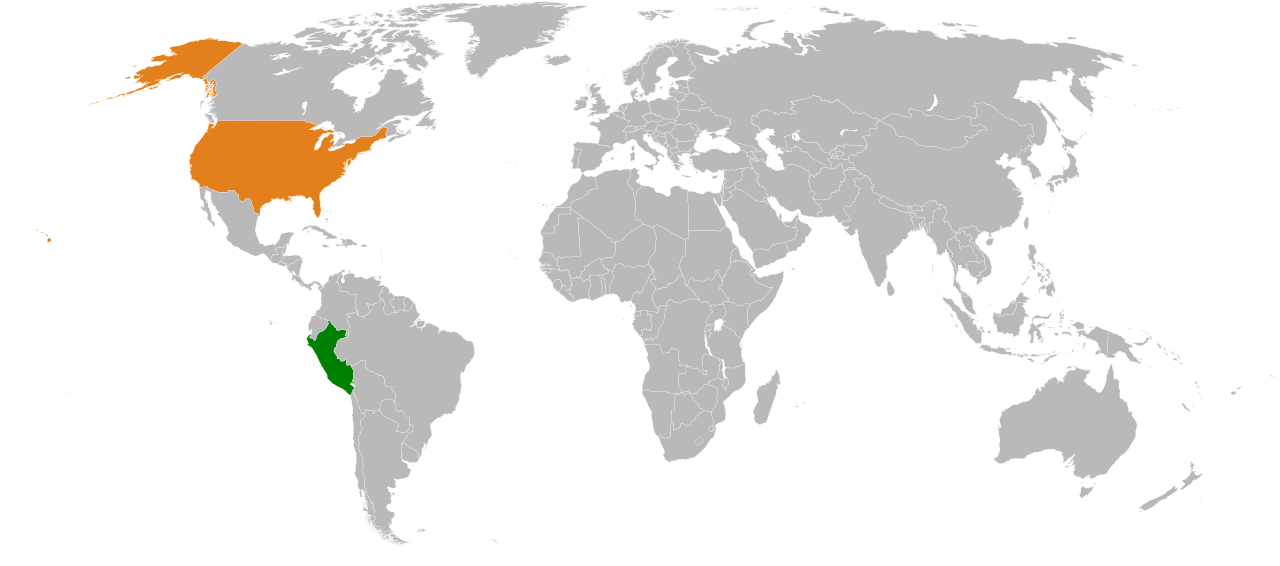
Peru’s tourism sector has pulled off something remarkable: the United States has overtaken Spain, Mexico, the United Kingdom, Brazil, and Colombia to become the country’s single largest source of international tourists — a shift that is reshaping the economics of one of South America’s most iconic travel destinations.
After years of pandemic-driven stagnation and the economic pain that followed, Peru isn’t simply bouncing back. By most available indicators heading into 2025, the country is charging forward — posting meaningful gains in international arrivals, tourism employment, and foreign currency inflows that few analysts would have predicted just a few years ago.
The emergence of the United States as Peru’s top tourist market is more than a footnote in a recovery story. It signals a fundamental rebalancing of who is coming to Peru, how much they’re spending, and what the country’s long-term tourism strategy needs to look like to sustain this momentum.
How the United States Became Peru’s Top Tourist Market
For years, Peru’s closest tourism partners were its Spanish-speaking neighbors and the former colonial power of Spain. Those markets — Mexico, Colombia, Brazil, the UK, and Spain — collectively represented the backbone of inbound international travel. That order has now changed.
American travelers have moved to the front of the line, and the implications are significant. U.S. visitors tend to spend more per trip, stay longer, and gravitate toward premium experiences — Machu Picchu, the Sacred Valley, Cusco’s culinary scene, and Amazon basin expeditions among them. Their rise to the top spot has contributed directly to what reports are describing as record-breaking foreign exchange earnings for Peru’s tourism industry in 2025.
This isn’t a marginal shift. Overtaking five established source markets simultaneously suggests a sustained and structural change in travel patterns, not a single-year anomaly driven by exchange rates or a viral travel trend.
What the Numbers Reflect About Peru’s Tourism Renaissance
The source data available points to a broad-based recovery rather than growth concentrated in a single region or traveler type. Employment in Peru’s travel and hospitality sectors has expanded alongside the rise in arrivals, suggesting the economic benefits are flowing beyond headline revenue figures into wages and local livelihoods.
Foreign exchange earnings — the hard currency that international tourism brings into a national economy — have reached record levels, according to the latest reporting. That matters enormously for Peru, where tourism has historically been one of the country’s most reliable sources of outside income.
| Tourist Source Market | Previous Ranking | Current Status (2025) |
|---|---|---|
| United States | Below top position | #1 — Now Peru’s top market |
| Spain | Among top markets | Overtaken by U.S. |
| Mexico | Among top markets | Overtaken by U.S. |
| United Kingdom | Among top markets | Overtaken by U.S. |
| Brazil | Among top markets | Overtaken by U.S. |
| Colombia | Among top markets | Overtaken by U.S. |
The recovery has been described as a “renaissance” — a word that carries weight here because it implies something more than restoration. Peru’s tourism industry isn’t simply returning to where it was before the pandemic. It appears to be building toward something larger.
Why This Matters Beyond the Travel Industry
Tourism is one of those sectors that touches almost every corner of an economy. When international arrivals grow, so does demand for local transport, food supply chains, artisan goods, accommodation, and professional services. The record foreign exchange earnings being reported don’t stay within the formal tourism economy — they circulate.
For Peru specifically, the stakes are high. The country’s tourism identity is anchored in world-class heritage assets:
- Machu Picchu and the broader Inca Trail network
- The Sacred Valley and Cusco’s colonial architecture
- The Amazon rainforest and its biodiversity
- Lima’s internationally recognized culinary scene
- The Nazca Lines and coastal desert landscapes
These are draws that appeal strongly to North American travelers seeking meaningful, experience-driven journeys — which helps explain why U.S. visitor numbers have climbed so decisively.
The Part of This Story That Deserves Closer Attention
Despite the celebratory tone that surrounds Peru’s tourism numbers, observers note the recovery’s path is not without risk. Reports point to “cooling interest” and “high-impact risk factors” as forces that could complicate Peru’s trajectory if left unaddressed.
What those specific risk factors are has not been fully detailed in available reporting, but the caution is worth taking seriously. Tourism recoveries can be fragile. Political instability, infrastructure bottlenecks, environmental pressures on heritage sites, and shifting global travel trends can all reverse momentum faster than it builds.
Peru is not competing in a vacuum. Other South American destinations — Colombia, Ecuador, Chile, and Argentina among them — are all actively courting the same international travelers. The question isn’t simply whether Peru can attract visitors, but whether it can deliver experiences that drive repeat visits and word-of-mouth advocacy strong enough to maintain its competitive position.
What Comes Next for Peru’s Tourism Ambitions
The immediate outlook, based on the trajectory described in current reporting, is one of cautious optimism. The U.S. market’s ascent to the top position creates both opportunity and responsibility for Peru’s tourism planners and private sector operators.
Sustaining this growth will likely require continued investment in accessibility — direct flight capacity, infrastructure at key sites, and service quality that meets the expectations of higher-spending North American visitors. It will also require careful management of the environmental and cultural pressures that come with rising visitor numbers at sensitive heritage sites.
Whether Peru can convert this momentum into lasting global standing among top-tier travel destinations remains the defining question. The foundation, right now, looks stronger than it has in years.
Frequently Asked Questions
Which country is now Peru’s top tourist source market?
The United States has overtaken Spain, Mexico, the United Kingdom, Brazil, and Colombia to become Peru’s leading source of international tourists as of 2025.
Has Peru’s tourism industry fully recovered from the pandemic?
Reports describe the sector as more than recovering — posting gains in international arrivals, employment, and record-breaking foreign exchange earnings, though some risk factors remain.
What is driving U.S. travelers to visit Peru?
Are foreign exchange earnings from tourism actually at record levels?
According to the latest reporting referenced in available source material, Peru’s tourism-related foreign currency inflows reached record levels in 2025.
What risks could slow Peru’s tourism growth?
Reports acknowledge “cooling interest” and “high-impact risk factors” as potential threats to the recovery’s momentum, though specific details have not been fully confirmed in available reporting.
Is tourism employment also growing in Peru alongside arrivals?
Yes — the recovery has been described as broad-based, with employment in Peru’s travel and hospitality sectors expanding alongside rising international visitor numbers.




Leave a Reply