
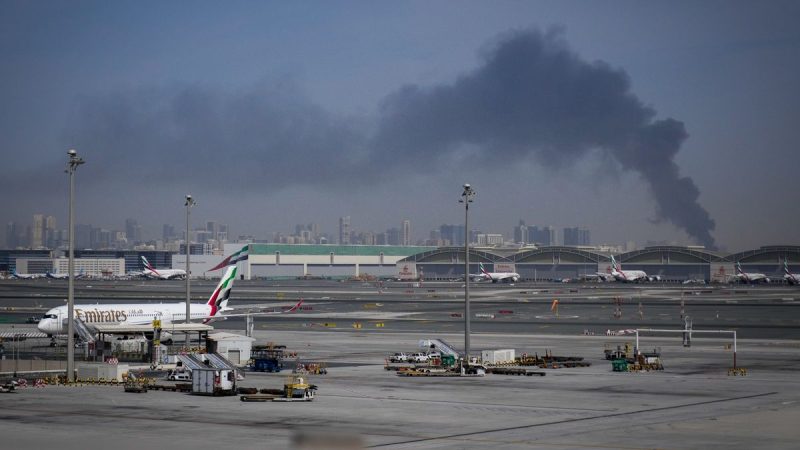
Airports across the United States are descending into frustrating disorder — and travelers in Georgia, Texas, New York, Louisiana, California, Florida, and beyond are bearing the consequences. Long security lines, missed flights, and a mounting sense of uncertainty have become the new normal at major American hubs, as the pressures of a federal government shutdown collide with a broader collapse in international visitor confidence.
The disruption is not isolated to one region or one airport. It is spreading state by state, hitting tourism economies that depend heavily on smooth federal operations — from staffing at customs and border protection to the processing of visitor visas. When federal agencies slow down or stop functioning, the effects ripple outward fast, and the travel industry is among the first to feel it.
What makes this moment particularly difficult is that the tourism sector was already navigating headwinds. Falling international arrivals and what analysts have described as a “Trump slump” — a decline in foreign visitors linked to concerns about U.S. entry policies and the broader political climate — had already softened demand before the shutdown added fresh chaos to the mix.
What the Federal Shutdown Is Actually Doing to U.S. Airports
A federal government shutdown does not just close national parks and pause government websites. It directly affects the agencies that keep airports functioning. Transportation Security Administration officers, Customs and Border Protection agents, and the staff who process visa applications all operate under federal authority. When funding lapses, these workforces face furloughs, reduced staffing, and significant operational strain.
The result at airports is predictable and painful. Security lines grow longer. Customs processing slows. Travelers miss connecting flights. And international visitors — already weighing whether the U.S. is worth the hassle — get one more reason to book elsewhere.
Georgia’s Hartsfield-Jackson Atlanta International Airport, one of the busiest airports on the planet, has joined the growing list of affected hubs. Texas airports including Dallas-Fort Worth and Houston’s George Bush Intercontinental, New York’s JFK and LaGuardia, Los Angeles International, Miami International, and airports across Louisiana are all operating under the same federal staffing pressures. No major American aviation hub is immune.
The States Caught in the Middle of This Crisis
The states affected span every region of the country and represent some of the most tourism-dependent economies in the U.S. Here is a snapshot of what is at stake across the hardest-hit states:
| State | Key Affected Airport(s) | Primary Tourism Impact |
|---|---|---|
| Georgia | Hartsfield-Jackson Atlanta | Airport chaos, missed connections, reduced international arrivals |
| Texas | Dallas-Fort Worth, Houston Bush | Customs delays, staffing strain, visa processing slowdowns |
| New York | JFK, LaGuardia | Falling international visitor numbers, longer processing times |
| California | Los Angeles International | Declining overseas tourism, entry policy uncertainty |
| Florida | Miami International, Orlando | International arrivals drop, tourism revenue pressure |
| Louisiana | Louis Armstrong New Orleans | Airport disruption, reduced federal staffing support |
The visa processing dimension is particularly damaging for long-haul tourism. International travelers — especially those coming from Europe, Asia, and Latin America — often book trips months in advance. Delays or uncertainty in visa approvals cause cancellations that cannot be easily recovered. Once a traveler books an alternative destination, they rarely reschedule the original trip within the same season.
Who Gets Hurt When Tourism Slows This Fast
The economic consequences extend far beyond the airport terminal. Tourism supports hundreds of thousands of jobs across hospitality, food service, retail, transportation, and cultural attractions. When international arrivals fall and domestic travelers face airport frustration severe enough to discourage travel, the losses stack up quickly.
Hotels in major gateway cities see occupancy rates soften. Restaurants near convention centers and tourist districts lose covers. Tour operators and travel agencies field cancellations they cannot absorb. And state tax revenues — which depend partly on tourism-generated sales and hotel taxes — take a hit that eventually affects public services.
The “Trump slump” factor compounds all of this. Foreign travelers and travel industry observers have pointed to concerns about U.S. entry policies, visa denials, and the overall political climate as reasons some international visitors are choosing other destinations. Countries across Europe and Asia have issued updated travel advisories for the United States in recent periods, further chilling demand.
What Needs to Happen for This to Turn Around
The most immediate fix is straightforward on paper: restoring federal funding would allow agencies to return to full staffing and normal operations. That would ease the pressure at customs and border checkpoints, reduce security wait times, and restart stalled visa processing pipelines.
But rebuilding international visitor confidence takes longer than passing a spending bill. Travel industry advocates argue that the U.S. needs a sustained period of political stability, clear and welcoming entry policies, and a proactive effort to signal to overseas travelers that America is open for business. That message has been difficult to send convincingly while airports remain chaotic and visa delays persist.
State tourism boards in Georgia, Texas, California, Florida, New York, and Louisiana are in no position to solve a federal funding crisis on their own. Their marketing budgets and promotional campaigns can only do so much when the fundamental infrastructure of international travel — the visa system, the customs process, the security queue — is under strain from Washington’s dysfunction.
Until the federal government resolves the shutdown and addresses the broader climate of uncertainty around U.S. entry, travelers — and the businesses that depend on them — will continue to absorb the damage.
Frequently Asked Questions
Which U.S. states are most affected by the airport chaos linked to the federal shutdown?
Georgia, Texas, New York, Louisiana, California, and Florida are among the states experiencing significant airport disruption, missed flights, and falling international arrivals.
Why does a federal government shutdown cause airport problems?
Federal agencies including the TSA and Customs and Border Protection operate on federal funding, so a shutdown can reduce staffing levels and slow operations at airports nationwide.
What is the “Trump slump” in tourism?
The term refers to a reported decline in international visitors to the United States linked to concerns about U.S. entry policies, visa difficulties, and the broader political climate under the current administration.
How does the shutdown affect visa processing for international travelers?
Federal visa processing can slow significantly during a shutdown, causing delays and cancellations for international travelers who planned trips to the U.S. months in advance.
Which airports are specifically named as affected?
Hartsfield-Jackson Atlanta International in Georgia is among the named affected airports, alongside major hubs in Texas, New York, California, Florida, and Louisiana.
When will the airport disruption and tourism decline be resolved?
This has not yet been confirmed — resolution depends on the federal government restoring funding and on a sustained effort to rebuild international visitor confidence, which typically takes longer than the shutdown itself.


Leave a Reply