
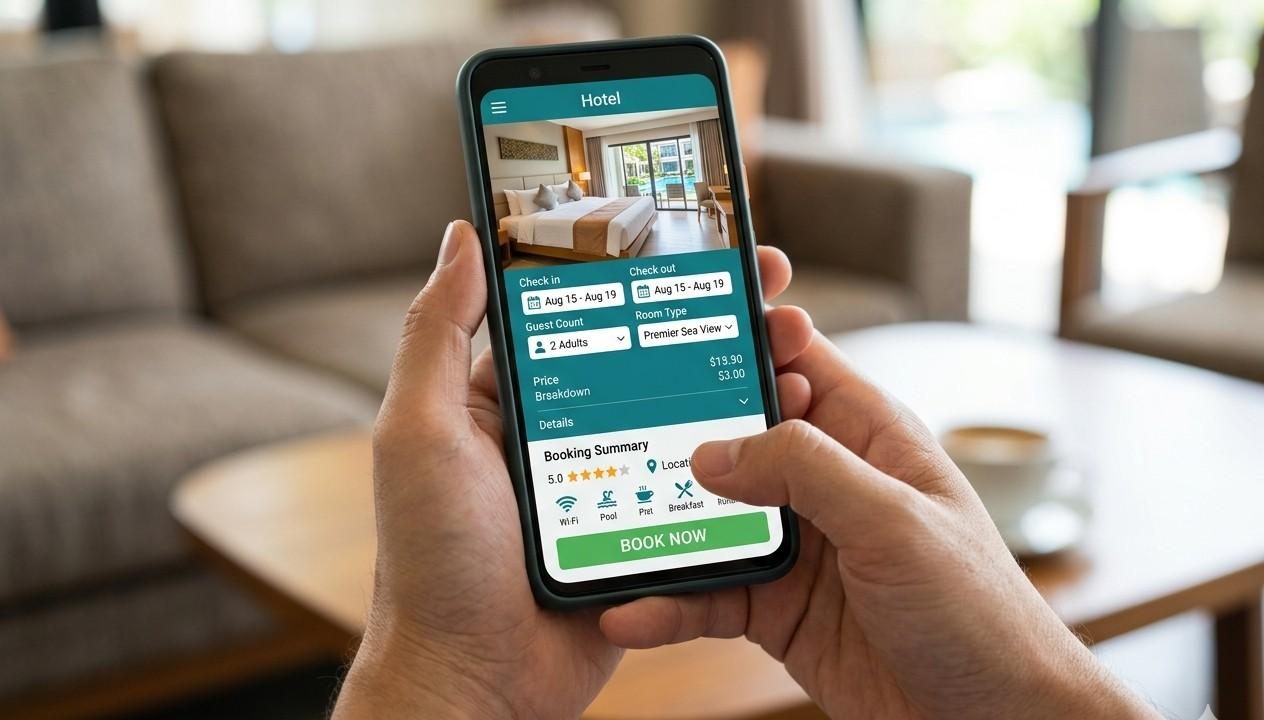
What if planning a trip — from the first spark of inspiration to a fully confirmed booking — could happen in one place, guided by an AI that actually acts on your behalf rather than just showing you a list of options? That’s the premise behind Voyagier, a newly launched platform that describes itself as the first agentic travel system built to serve global tourism.
The platform launched in March 2026, positioning itself as a next-generation alternative to the fragmented experience most travelers know well: browsing one site for flights, another for hotels, texting a travel agent separately, and somehow stitching it all together yourself. Voyagier’s stated goal is to eliminate that friction entirely.
For the travel industry, this launch represents one of the earliest concrete examples of agentic AI moving from concept to product in the tourism space — and it raises real questions about what that shift means for travelers, advisors, and the broader booking ecosystem.
What Agentic AI Actually Means for Travel
The term “agentic AI” gets used loosely, but in practical terms it refers to AI systems that don’t just respond to questions — they take actions. Rather than presenting a traveler with ten flight options and waiting, an agentic system can evaluate preferences, make decisions, and complete steps in a process on the user’s behalf.
Voyagier applies that model to the end-to-end travel journey. According to the platform’s launch description, it connects three things that have historically existed in separate silos: travel discovery (the inspiration phase), real-time booking, and access to luxury travel advisors. The idea is that a traveler moves from “I want to go somewhere” to a fully booked trip without switching between apps, websites, or human contacts.
That’s a meaningful shift from how most online travel agencies work today. Traditional OTAs are essentially sophisticated search engines — they surface options, but the traveler still makes every decision and completes every transaction manually. Agentic platforms are designed to handle more of that work autonomously.
What Voyagier Says It Offers
Based on the platform’s launch information, here is what Voyagier describes as its core capabilities:
- Integrated discovery and booking: The platform connects the inspiration phase of travel planning directly to real-time booking, removing the gap between “where should I go” and “how do I get there.”
- Luxury travel advisor access: Rather than replacing human advisors, Voyagier appears to position itself as a connector — linking travelers to luxury travel advisors within the same ecosystem.
- AI-driven ecosystem: The platform describes itself as a single AI-driven system, suggesting that the various components communicate with each other rather than operating independently.
- Global tourism focus: Voyagier targets global tourism markets, indicating an intent to operate across international destinations rather than a single region.
| Feature | Traditional OTA Model | Voyagier’s Stated Approach |
|---|---|---|
| Discovery phase | Separate browsing tools or third-party sites | Integrated within the platform |
| Booking | Manual selection and checkout by traveler | Real-time booking within the AI ecosystem |
| Human advisor access | Separate contact or agency required | Luxury advisors connected within the platform |
| AI role | Recommendation or search assistance | Agentic — acts on behalf of the traveler |
Why the Tourism Industry Is Watching This Closely
Voyagier’s launch matters beyond the platform itself because it signals where the broader travel technology sector may be heading. Observers in the industry have noted that agentic AI has the potential to reshape how online travel agencies, luxury tourism advisors, and experiential tourism operators all interact — not just with travelers, but with each other.
If an AI system can handle discovery, negotiation, and booking autonomously, the role of intermediaries changes. Luxury travel advisors, in particular, have built their value around personal relationships and curated expertise. A platform that integrates those advisors into an AI ecosystem rather than replacing them suggests one possible model for how that relationship evolves — human expertise accessible through an intelligent interface, rather than through a separate channel entirely.
Whether that model benefits advisors or gradually reduces their role is a question the industry will be watching closely as platforms like Voyagier develop.
What This Means If You’re a Traveler
For everyday travelers, the most direct implication is convenience — or at least the promise of it. The current reality of planning a significant trip often involves a dozen browser tabs, multiple accounts on different booking platforms, and the nagging feeling that something has been missed or could be cheaper elsewhere.
An agentic platform that genuinely connects those layers could reduce that cognitive load significantly. The caveat, as with any early-stage platform, is that the gap between what a product promises at launch and what it delivers in practice can be wide. Travelers considering Voyagier would reasonably want to understand how it handles data privacy, what happens when AI-made bookings need to be changed, and how the luxury advisor component actually works in practice.
Those details have not yet been fully confirmed in available launch information.
What Comes Next for Agentic Travel Platforms
Voyagier describes itself as the first agentic travel platform of this kind, which — if accurate — means it is operating in largely uncharted territory. The coming months will likely test whether the integrated model it describes holds up under real traveler demand, and whether the tourism industry’s existing players treat it as a partner, a competitor, or something worth replicating.
The broader trend it represents, however, is almost certainly not going away. Agentic AI is moving into consumer-facing products across multiple industries, and travel — with its complexity, high transaction values, and emotional stakes — is a natural fit for systems that can do more than just answer questions.
For travelers who have long wished that planning a trip felt less like a part-time job, platforms like Voyagier are at least asking the right question. Whether the answer works as advertised is something only time and real-world use will confirm.
Frequently Asked Questions
What is Voyagier?
Voyagier is a newly launched travel platform that describes itself as the first agentic AI system to connect travel discovery, real-time booking, and luxury travel advisors in a single ecosystem.
What does “agentic” mean in this context?
Agentic AI refers to systems that take actions on a user’s behalf, rather than simply providing information or options for the user to act on manually.
When did Voyagier launch?
Voyagier launched in March 2026, according to available reporting on the platform’s debut.
Does Voyagier replace human travel advisors?
Based on launch information, Voyagier appears to integrate luxury travel advisors into its platform rather than replace them, though the full details of how that relationship works have not been fully confirmed.
What markets does Voyagier target?
The platform targets global tourism markets, indicating an intent to operate across international destinations rather than focusing on a single region.
Is there independent verification of Voyagier’s claims?
The platform’s capabilities are based on its own launch description; independent reviews and real-world performance data have not yet been confirmed in available sources.




Leave a Reply