Your Body Can't Burn Fat Without Carbs, Says Nobel Science
Audio Briefing~1:03
Click play to listen to key points
▶ Read transcript
Here’s what you need to know about a fascinating piece of biochemistry that challenges popular low-carb diet thinking. According to Nobel Prize-winning research by Hans Adolf Krebs, your body actually needs carbohydrates to burn fat completely. Here’s why: when fat breaks down, it enters the citric acid cycle as a molecule called acetyl CoA, but that molecule can’t be processed without oxaloacetate, which your body primarily produces from carbohydrate metabolism. When carbs are severely restricted, oxaloacetate runs low, the cycle slows down, and excess fat gets diverted into ketone production instead. And here’s the key insight: ketone production isn’t a sign of optimal fat burning. It’s actually a sign of incomplete fat burning, a metabolic backup route your body uses when the preferred pathway is compromised. So the takeaway is this: rather than eliminating carbs entirely, consider keeping moderate carbohydrates in your diet to support the metabolic machinery your body needs to burn fat efficiently and completely.
What if the very nutrient you’ve been told to eliminate is the one your body needs most to burn fat?
Millions of people have embraced low-carb and zero-carb diets with a simple premise: cut carbs, burn fat. The logic feels airtight. Remove carbohydrates, and your body has no choice but to torch its fat reserves. Yet a Nobel Prize-winning biochemist discovered something that complicates this story in a profound way.
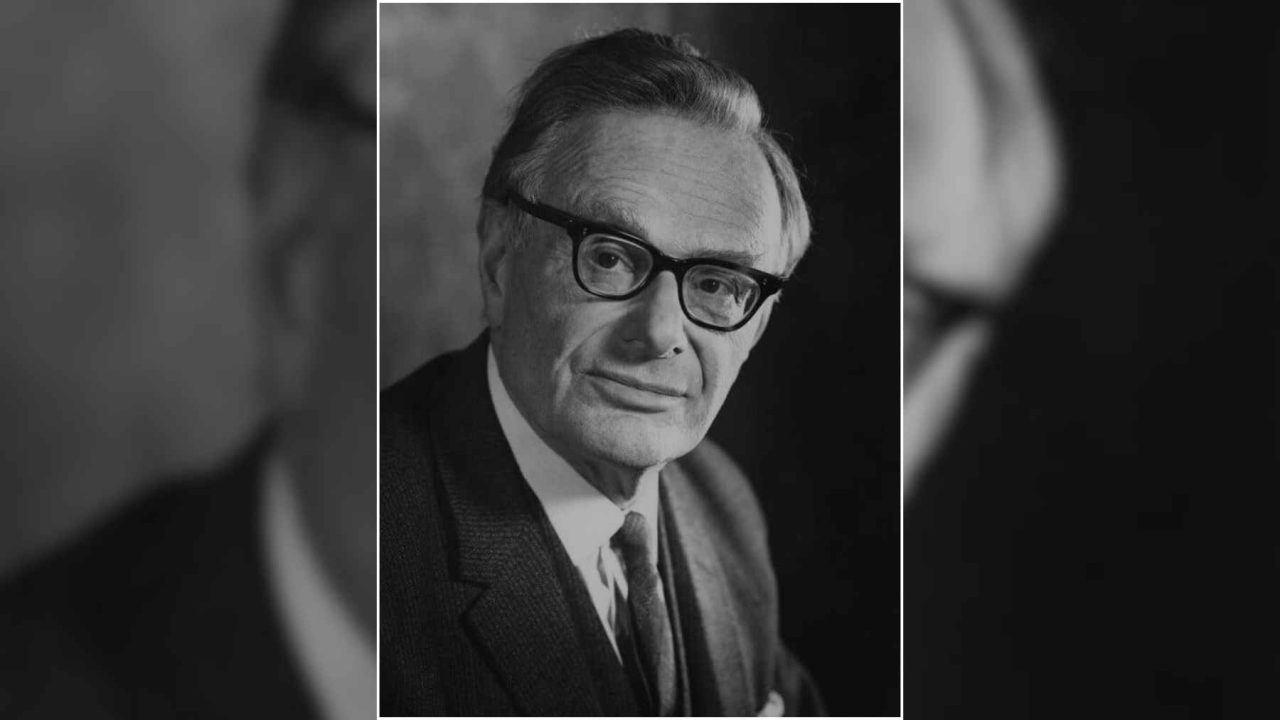
His name was Hans Adolf Krebs. And his work revealed that fat doesn’t burn in isolation. It burns in the flame of carbohydrates.
The “Just Cut Carbs” Assumption Millions Accept
The prevailing belief in popular diet culture is straightforward. Carbohydrates are fuel. Fat is stored energy. Remove the fuel, and the body will tap its reserves. This framework has driven decades of dietary advice, from Atkins to keto to carnivore protocols.
The assumption rests on a partial truth. When you reduce carbohydrate intake, insulin levels drop. Lower insulin does allow more fatty acids to be released from adipose tissue. So far, so good.
But releasing fat from storage and actually burning it to completion are two very different biochemical events. This distinction is where most popular nutrition advice falls apart.
Process
What People Think Happens
What Actually Happens
Fat Release
Cut carbs → fat floods out of cells
Lower insulin does increase fat mobilization
Fat Burning
Released fat is automatically burned for energy
Fat must enter the citric acid cycle, which requires oxaloacetate from carbs
Ketone Production
Ketones mean you’re a “fat-burning machine”
Ketones are a backup pathway when fat can’t fully combust in the cycle
End Products
Fat simply disappears as energy
18.5 lbs of every 22 lbs of fat lost exits the body as exhaled CO₂
Krebs’ Citric Acid Cycle and the Crack in the Logic
Hans Adolf Krebs was born on August 25, 1900, in Hildesheim, Germany. He trained as a physician and biochemist, developing an early fascination with how cells extract energy from nutrients. His career nearly ended before it began.
In June 1933, the National Socialist government terminated his university appointment. Krebs fled to Cambridge, UK, where he continued his research. He later worked at the University of Sheffield and then Oxford, spending decades mapping the chemical reactions inside living cells.
“The breakdown and burning of fats depend, to a large extent, on the continuous catabolism of carbohydrates.”
— Hans Adolf Krebs, Nobel Laureate in Physiology or Medicine, 1953
This single statement, rooted in his discovery of the citric acid cycle, challenges the entire foundation of “just cut carbs” thinking. In 1953, Krebs shared the Nobel Prize in Physiology or Medicine with Fritz Lipmann for this work. The prize recognized what remains one of the most important discoveries in the history of biochemistry.
Researchers in Krebs’ era used oxygen-hungry tissue like pigeon breast muscle to measure cellular respiration and map metabolic reactions. Through painstaking experiments, Krebs identified a circular chain of chemical reactions that cells use to extract energy from food. This chain became known as the citric acid cycle, or simply the Krebs cycle.
How Oxaloacetate Connects Carbs to Fat Burning
Here’s where the biochemistry gets revealing. The citric acid cycle starts when a two-carbon molecule called acetyl CoA joins a four-carbon molecule called oxaloacetate. Together, they form citrate. This reaction kicks off a series of transformations that ultimately produce the energy currency your cells run on.
Fat, when broken down, enters this cycle as acetyl CoA. That part is true regardless of your diet. But acetyl CoA cannot enter the cycle alone. It needs oxaloacetate as a partner.
KEY TAKEAWAY
Carbohydrate metabolism is a major way the body keeps enough oxaloacetate available for acetyl CoA (from fat) to be fully processed in the citric acid cycle. Without adequate carbs, the cycle slows and fat burning becomes incomplete.
Carbohydrate metabolism is the body’s primary method for replenishing oxaloacetate. When you eat and metabolize carbohydrates, glucose breaks down through glycolysis. Several intermediates from glycolysis feed directly into oxaloacetate production.
When carbohydrate intake drops severely, the supply of oxaloacetate dwindles. Acetyl CoA from fat breakdown starts to pile up in the liver. The liver can’t push all of it through the citric acid cycle because there isn’t enough oxaloacetate to receive it.
Complete Fat Oxidation (With Carbs)
VS
Incomplete Fat Oxidation (Without Carbs)
Oxaloacetate available to receive acetyl CoA
Oxaloacetate supply dwindles
Citric acid cycle runs at full capacity
Citric acid cycle slows down
Fat fully converted to CO₂ and water
Excess acetyl CoA diverted to ketone production
84% of fat exhaled as carbon dioxide
Ketones used as backup fuel, less efficient
VERDICT: Moderate carbohydrate intake supports the metabolic machinery needed for complete fat burning, as Krebs’ Nobel Prize-winning research demonstrated.
Ketone Bodies: The Metabolic Overflow Valve
So what happens to all that excess acetyl CoA? The liver converts it into ketone bodies. This is the metabolic state celebrated in ketogenic diets. But Krebs’ work reveals an important nuance: ketone production is not a sign of optimal fat burning. It’s a sign of incomplete fat burning.
IMPORTANT
In low-carbohydrate states, the liver shifts toward producing ketone bodies to manage excess acetyl CoA when oxaloacetate is limited. Ketones are a workaround, not a first-choice metabolic pathway.
Ketone bodies can be used as fuel by the brain, heart, and muscles. They serve a genuine survival function. But the body produces them precisely because the preferred pathway for fat oxidation is compromised.
This is the biochemical equivalent of a highway detour. Traffic still moves, but not as efficiently as the main road. The main road is the citric acid cycle. The detour is ketogenesis.
Where 22 Pounds of Fat Actually Goes
A 2014 analysis published in The BMJ added a striking physical dimension to this biochemistry. Researchers calculated what happens when you lose 22.0 pounds of body fat. The results surprised even many physicians.
18.5 lbs
Of every 22.0 lbs of fat lost exits the body as exhaled CO₂
That’s roughly 84% of all fat lost. You literally breathe it out. The remaining weight leaves as water through sweat, urine, and other fluids.
Understanding Fat Metabolism: Before vs After Krebs
BEFORE KREBS (Pre-1937)
Scientists knew cells burned nutrients for energy but had no map of the chemical steps involved. Fat and carbohydrate metabolism were seen as largely independent processes.
AFTER KREBS (Post-1937)
The citric acid cycle revealed that fat and carbohydrate metabolism are deeply interconnected. Carbs supply oxaloacetate, without which fat-derived acetyl CoA cannot be fully oxidized.
This CO₂ is produced when acetyl CoA from fat is fully oxidized in the citric acid cycle. Each turn of the cycle strips carbon atoms from the original fat molecule and combines them with oxygen. The result is carbon dioxide, which travels through your blood to your lungs and exits with every exhale.
⚡What Would You Do?
You’ve been on a strict zero-carb diet for three weeks. You’re losing weight but feeling foggy and fatigued. A friend suggests adding back some carbohydrates to support your metabolism. What do you do?
Metabolically strained
Your oxaloacetate levels remain low, the citric acid cycle operates inefficiently, and your body continues relying on ketone production as a metabolic workaround.
Biochemically sound
You restore oxaloacetate production, support the citric acid cycle, and allow more complete fat oxidation while still maintaining a caloric deficit.
Counterproductive
You spike insulin levels excessively, which can suppress fat mobilization from adipose tissue and undermine your fat loss goals in the opposite direction.
For this process to work efficiently, the cycle must keep turning. And for the cycle to keep turning, it needs a steady supply of oxaloacetate. And oxaloacetate depends, in large part, on carbohydrate metabolism.
1953
Year Krebs won the Nobel Prize for discovering the citric acid cycle
84%
Percentage of fat lost that exits the body as exhaled CO₂
What Krebs’ Discovery Means for Your Diet Today
None of this means you should eat unlimited pasta. Krebs’ insight is more subtle than that. The practical implication is that some carbohydrate intake supports the very metabolic machinery your body uses to burn fat.
Extreme carbohydrate restriction can slow the citric acid cycle. When the cycle slows, fat oxidation becomes less efficient. The body compensates by producing ketones, which work as a backup fuel but represent an incomplete combustion of fat.
Moderate carbohydrate intake keeps oxaloacetate levels healthy. This allows acetyl CoA from fat to enter the citric acid cycle smoothly. The result is more complete fat oxidation and more CO₂ exhaled, which is literally how fat leaves your body.
Fat Burning Efficiency on Zero-Carb Diet
4.5/10
Without carbohydrate-derived oxaloacetate, the citric acid cycle cannot fully process acetyl CoA from fat. The body compensates with ketone production, but overall fat oxidation efficiency drops significantly compared to moderate-carb conditions.
💡 Tip: You don’t need to load up on carbs to support fat burning. Even modest amounts of complex carbohydrates from vegetables, fruits, and whole grains provide enough glucose to maintain oxaloacetate production and keep the citric acid cycle running efficiently.
The old biochemistry maxim puts it plainly: “Fat burns in the flame of carbohydrate.” This phrase, rooted in Krebs’ Nobel Prize-winning research, captures a metabolic truth that popular diet culture has largely ignored.
A Refugee Biochemist Who Rewrote Metabolism
Hans Adolf Krebs died on November 22, 1981, in Oxford, United Kingdom. He was 81 years old. The cycle he discovered remains central to every biology and medical textbook on the planet.
His story carries an uncomfortable irony. Forced out of Germany by political persecution, he found refuge in Britain and produced work that fundamentally changed our understanding of human metabolism. The government that expelled him lost one of the century’s greatest biochemists.
Krebs shared his 1953 Nobel Prize with German-born American biochemist Fritz Lipmann, who discovered coenzyme A. Together, their discoveries mapped the core machinery of cellular energy production.
Today, when someone tells you that eliminating carbohydrates is the key to burning fat, they’re working with half the story. The other half sits in the citric acid cycle, spinning quietly inside every cell in your body, waiting for the oxaloacetate that carbohydrates provide.
Fat doesn’t burn alone. It never has. And the Nobel committee recognized the man who proved it seven decades ago.
Frequently Asked Questions
What did Hans Krebs discover that won the Nobel Prize?▶
Hans Adolf Krebs discovered the citric acid cycle (also called the Krebs cycle), which maps how cells extract energy from nutrients. He shared the 1953 Nobel Prize in Physiology or Medicine with Fritz Lipmann for this work.
Why does fat burning depend on carbohydrates?▶
Fat enters the citric acid cycle as acetyl CoA, but it needs oxaloacetate to be processed. Carbohydrate metabolism is the body’s primary way to produce oxaloacetate. Without enough carbs, the cycle slows and fat burning becomes incomplete, leading to ketone body production instead.
Where does body fat go when you lose weight?▶
According to a 2014 BMJ analysis, 18.5 pounds of every 22.0 pounds of fat lost exits the body as exhaled CO₂. The remaining weight leaves as water through sweat, urine, and other fluids.
Are ketone bodies a sign of efficient fat burning?▶
Not exactly. Ketone bodies are produced when the liver has excess acetyl CoA from fat breakdown but insufficient oxaloacetate to process it through the citric acid cycle. They serve as a backup fuel, but represent incomplete fat oxidation.
The Editorial Team is the named, credentialed group responsible for every article on this site. Each piece is researched by a section editor, reviewed by a credentialed practitioner where the topic warrants it, and signed off by the Editor in Chief before publication. The corrections process is public; named editors are accountable.





Leave a Reply