
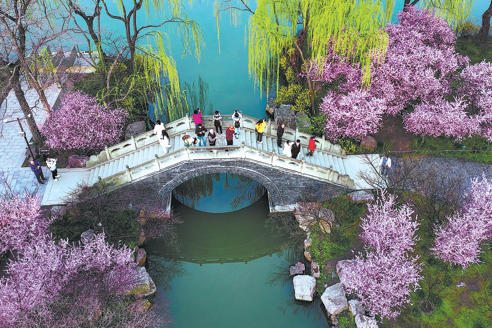
Every spring, millions of Chinese travelers abandon their routines and head outdoors — not for major landmarks or theme parks, but for flowers. Cherry blossoms, rapeseed fields, and hillsides blanketed in azaleas have become the driving force behind what economists and tourism officials are now calling China’s “spring economy.”
The scale of this seasonal shift is hard to overstate. Domestic travel demand surges as parks and public spaces across the country burst into color, drawing visitors from cities and rural areas alike. In Beijing alone, cherry blossom season peaks in late March, pulling in vast numbers of tourists during a window that lasts just a few weeks.
What makes this more than just a pretty story is the economic ripple effect. Flower tourism isn’t simply getting people outside — it’s filling hotel rooms, booking train seats, and pushing retail spending upward across entire regions of the country.
How Flower Tourism Became a Pillar of China’s Spring Economy
The concept of the “spring economy” reflects something broader than seasonal sightseeing. As cherry blossoms, rapeseed flowers, and azaleas come into bloom at staggered times across different regions, they effectively extend the travel season and distribute tourist spending across a wider geographic area.
Travel platforms have recorded significant spikes in demand tied directly to bloom seasons. When a particular park or scenic area reaches peak color, it functions almost like a ticketed event — drawing crowds for a narrow, time-sensitive window that creates urgency and drives bookings.
Cities and rural destinations benefit differently but equally. Urban parks like those in Beijing capture day-trippers and weekend visitors. Rural areas known for rapeseed fields or mountain azaleas attract longer stays, which means more spending on accommodation, food, and local goods.
The hospitality sector feels the effect most directly. Hotels near popular bloom sites report sharp occupancy increases during peak weeks. Transportation links — trains, coaches, and ride-sharing services — also see demand climb as travelers plan routes around bloom forecasts and real-time reports from social media.
Where the Blooms Are and What They’re Drawing
China’s flower-viewing season isn’t one single event — it’s a rolling calendar of bloom cycles spread across the country, each with its own audience and economic footprint.
- Cherry blossoms — Iconic and widely photographed, peaking in late March in cities like Beijing, drawing large urban crowds for short but intense bursts of visitor activity.
- Rapeseed flowers — Vast yellow fields that blanket rural landscapes, particularly associated with countryside destinations that attract travelers looking for a more immersive, pastoral experience.
- Azaleas — Mountain and hillside blooms that extend the season into spring’s later weeks, keeping tourism momentum alive after cherry blossom season fades.
| Bloom Type | Primary Setting | Key Season | Economic Impact Area |
|---|---|---|---|
| Cherry Blossoms | Urban parks and scenic areas | Late March | Hospitality, retail, transport |
| Rapeseed Flowers | Rural countryside regions | Spring (varies by region) | Rural accommodation, local food |
| Azaleas | Mountain and hillside areas | Mid-to-late spring | Extended regional tourism spend |
The Real-World Impact on Local Economies and Travelers
For local economies, the spring bloom season functions as one of the most reliable annual revenue windows they have. Small businesses — guesthouses, food stalls, local transport operators, souvenir vendors — often depend on these weeks to generate income that sustains them through quieter months.
The sectors most visibly affected include:
- Hospitality: Hotels and guesthouses near bloom destinations see sharp occupancy increases, with demand often outpacing supply at peak times.
- Transportation: Train and coach services to popular flower-viewing destinations fill quickly, and ride-sharing demand rises in urban areas with major parks.
- Retail: Consumer spending on food, beverages, photography equipment, and regional products climbs as tourists move through bloom areas.
For travelers themselves, the spring economy offers something increasingly rare in modern tourism: a reason to travel that is time-sensitive, naturally beautiful, and deeply tied to local culture. Flower-viewing carries genuine tradition in China, and that cultural weight adds meaning to what might otherwise be a simple day trip.
The challenge, of course, is the narrow window. Popular bloom sites can become intensely crowded during peak days, putting pressure on local infrastructure and creating logistical headaches for visitors who didn’t plan ahead. The same urgency that drives bookings also concentrates foot traffic in ways that require careful management.
What the Spring Economy Looks Like Going Forward
The trajectory of flower tourism in China points toward continued growth as domestic travel culture matures and more travelers seek experiences rooted in natural beauty rather than built attractions.
Travel platforms are increasingly central to how this season unfolds — providing real-time bloom tracking, booking infrastructure, and the social sharing tools that amplify interest and drive demand spikes. As those platforms grow more sophisticated, the spring economy is likely to become more precisely timed and more widely distributed across regional destinations.
Local governments and tourism operators are also paying closer attention to how they position their bloom seasons. Destinations that invest in visitor infrastructure — accessible parks, clear signage, adequate transport links — stand to capture a larger share of the spending that follows the flowers each year.
The spring economy, in other words, is no accident. It’s the result of natural cycles meeting cultural tradition meeting modern travel infrastructure — and every year, it delivers measurable results for communities across China.
Frequently Asked Questions
What is China’s “spring economy”?
It refers to the economic activity generated each spring by flower-viewing tourism, which stimulates sectors including hospitality, transportation, and retail across the country.
Which flowers are most associated with spring tourism in China?
Cherry blossoms, rapeseed flowers, and azaleas are the primary blooms driving domestic travel demand during the spring season.
When does cherry blossom season peak in Beijing?
Cherry blossom season in Beijing peaks in late March, attracting large numbers of visitors during a brief but intense window.
Which sectors benefit most from flower tourism?
Hospitality, transportation, and retail are identified as the sectors most directly stimulated by the spring flower-viewing travel surge.
Does flower tourism benefit rural areas as well as cities?
Yes — rapeseed fields and azalea hillsides draw travelers to rural and regional destinations, boosting local accommodation and food businesses beyond major urban centers.
Is flower tourism in China expected to keep growing?
The trend shows continued momentum as domestic travel culture grows and travel platforms make it easier to track blooms and plan trips in real time, though specific future projections have not been confirmed.



Leave a Reply