
▶ Read transcript
Here’s what you need to know about why millions of people are quietly ditching toilet paper. First, the American toilet paper habit is enormous — the US market is projected to hit nearly 50 billion dollars annually, and producing all that paper consumes tens of thousands of trees every single day. Second, if you’ve been buying bamboo toilet paper thinking it’s the green choice, think again. Research from NC State University found that bamboo tissue made in China actually produces more carbon emissions than standard US wood-based paper, largely because Chinese mills rely heavily on coal. Third, bidets are the real game changer here. A basic attachment costs between 25 and 100 dollars once, while the average household spends over a hundred dollars a year on toilet paper alone — meaning a bidet pays for itself within a year. So here’s your takeaway: if you want to save money and reduce waste, look into a bidet attachment before your next grocery run.
When did you last stop to question something you do multiple times every single day, without a second thought? Most of us reach for toilet paper on autopilot. It’s as automatic as breathing. But a growing number of scientists, environmentalists, and ordinary bathroom users are asking a question that feels almost radical: Why are we still doing this?
The answer, it turns out, is mostly inertia. And inertia, as history repeatedly shows, eventually loses to better ideas.
A $50 Billion Habit Built on Surprisingly Shaky Ground
The US hygiene tissue market alone is projected to reach close to $50 billion in annual revenue. That’s an extraordinary amount of money spent on a product that exists for seconds before being flushed away. Globally, toilet paper production consumes tens of thousands of trees every single day.
Americans use far more tissue per person than the global average, making the United States both the largest market and, arguably, the country with the most to gain from switching. The cultural attachment to toilet paper in North America is unusually strong compared to much of Europe, Asia, and the Middle East, where bidet use and water-based hygiene have been standard for generations.
Something is shifting, though. Driven by pandemic-era shortages, rising environmental awareness, and a wave of affordable new products, thousands of households are quietly abandoning the roll entirely.
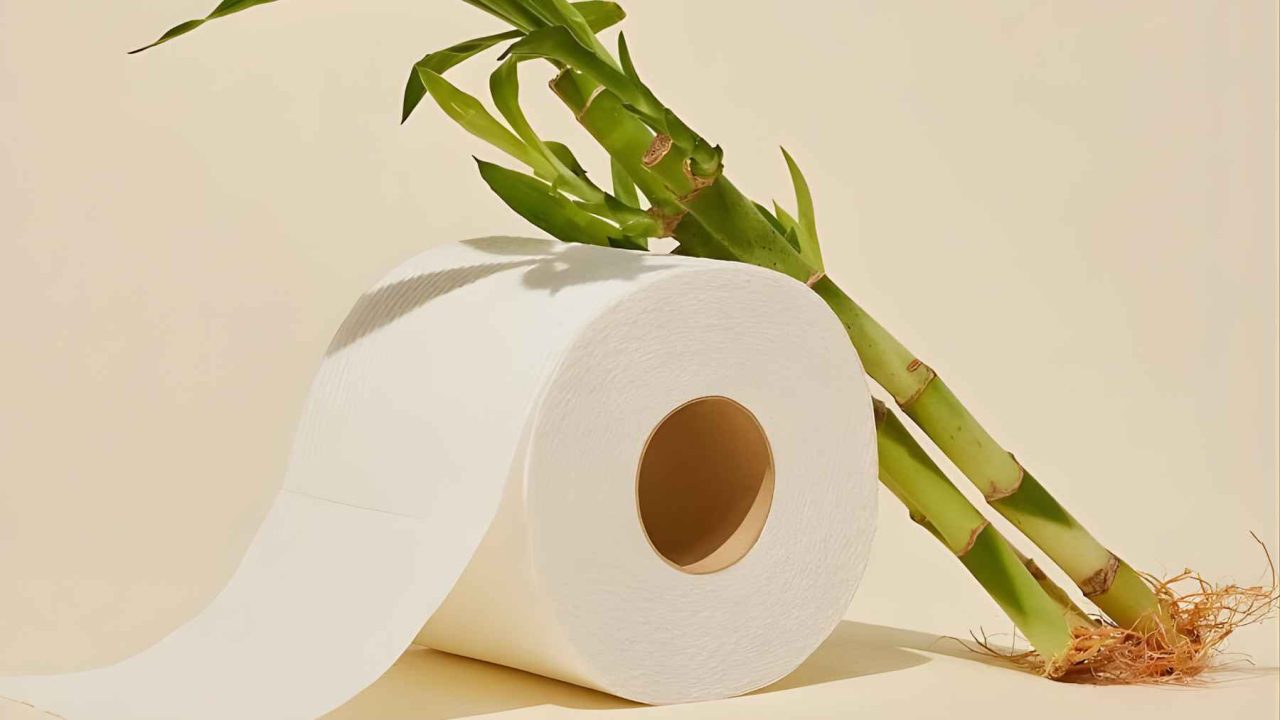
The Bamboo Myth: What the Science Actually Says
If you’ve been buying bamboo toilet paper thinking you’re saving the planet, you may want to sit down for this part.
Researchers at North Carolina State University conducted a full life-cycle assessment of consumer bath tissue, comparing wood-based products with bamboo alternatives. The findings challenged some deeply held assumptions in the sustainability community.
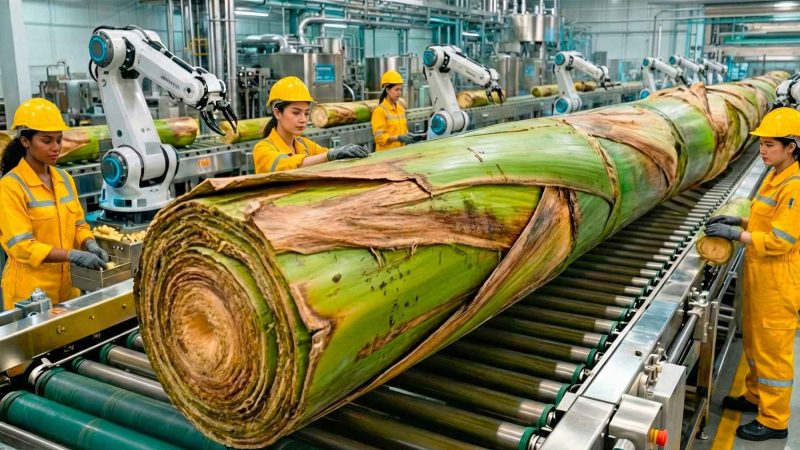
The reason comes down to energy. Chinese mills in the study relied heavily on coal-based electricity and fossil fuels for steam and drying processes. The manufacturing footprint, combined with transoceanic shipping, erased the environmental advantages that bamboo’s fast growth rate would otherwise provide.
The picture isn’t entirely bleak for bamboo, however. When researchers modeled bamboo tissue production using a cleaner electricity mix, its carbon footprint dropped to levels comparable to wood-based options. Canadian and Brazilian mills, which use more biomass and benefit from cleaner power grids with large shares of hydro and renewables, already demonstrate this potential.
| Option | CO₂ eq. per ton | Key Concern | Upfront Cost |
|---|---|---|---|
| US Wood-Based Tissue | ~1,824 kg | Tree consumption, ongoing cost | Low |
| Bamboo Tissue (China-made) | ~2,400 kg | Coal energy, shipping emissions | Medium-High |
| Bidet Attachment | Near zero ongoing | Water usage (minimal) | $25–$100 one-time |
| Reusable Cloth Wipes | Near zero ongoing | Laundry water and energy | Very Low |
| Bamboo Tissue (clean grid) | Similar to wood-based | Supply chain transparency | Medium-High |
The takeaway from the NC State research is nuanced but important: the label “bamboo” doesn’t automatically mean better. Where and how a product is made matters as much as what it’s made from.
Bidets, Cloth Wipes, and the Water-Based Revolution Gaining Momentum
While researchers debate the merits of different paper products, a separate movement has been building momentum with a far more radical proposition: skip the paper entirely.
Bidets have been standard fixtures in Japan, much of Europe, and across the Middle East for decades. The COVID-19 pandemic, which triggered widespread toilet paper shortages in 2020, introduced millions of North Americans to bidet attachments for the first time. Many never went back.
The environmental math is compelling. A bidet uses roughly 0.1 gallons of water per use. Producing a single roll of toilet paper requires approximately 37 gallons of water. Even accounting for bidet water usage, the net water savings are dramatic over time.
“Life is like a roll of toilet paper. The closer you get to the end, the faster it goes.”
— Anonymous
Beyond bidets, reusable cloth wipes are gaining traction among zero-waste households. Sometimes called “family cloth,” these are small squares of soft fabric used in place of paper, then laundered and reused. The upfront investment is minimal, and ongoing costs approach zero. The psychological barrier, for many people, is the only real obstacle.
Your grocery bill just went up again, and you notice you spend over $120 a year on toilet paper. A friend tells you they switched to a bidet attachment six months ago and haven’t bought a roll since. You’re skeptical but curious. What do you do?
Waterless cleansing foams and pre-moistened reusable pads represent a middle ground for those not ready to install hardware or commit to cloth. These products reduce paper consumption significantly without requiring any changes to bathroom infrastructure.
The Hygiene Argument: Are Alternatives Actually Cleaner?
Proponents of water-based hygiene have always made a simple, hard-to-argue-with point. If you got mud on your hand, you wouldn’t wipe it off with paper and call it clean. You’d use water.
Medical professionals have noted that bidets can reduce the risk of urinary tract infections, hemorrhoid irritation, and anal fissures. For elderly individuals and people with mobility limitations, a bidet can also provide greater independence and dignity in personal care.
Cloth wipes, when properly laundered at appropriate temperatures, are hygienically safe. The same applies to reusable menstrual products and cloth diapers, which have been rehabilitated by the zero-waste movement after decades of stigma.
The real hygiene risk with toilet paper, ironically, is what it leaves behind. Studies on fecal bacteria transmission suggest that paper wiping is less effective at removing pathogens than water-based cleansing. This isn’t a minor footnote; it’s a fundamental argument that the world’s majority, who use water-based hygiene, have understood for centuries.
What Happens When an Entire Industry Faces Disruption
The toilet paper industry isn’t sitting still. Major manufacturers have invested heavily in marketing “sustainable” lines, thinner packaging, and recycled-content products. But the structural challenge they face is significant.
Bidet adoption in the United States grew sharply after 2020 and has continued rising. Market analysts tracking bathroom fixture sales report consistent year-over-year increases in bidet attachment purchases. Entry-level models have dropped in price, making the switch accessible to a far wider demographic than the early luxury market suggested.



Leave a Reply