
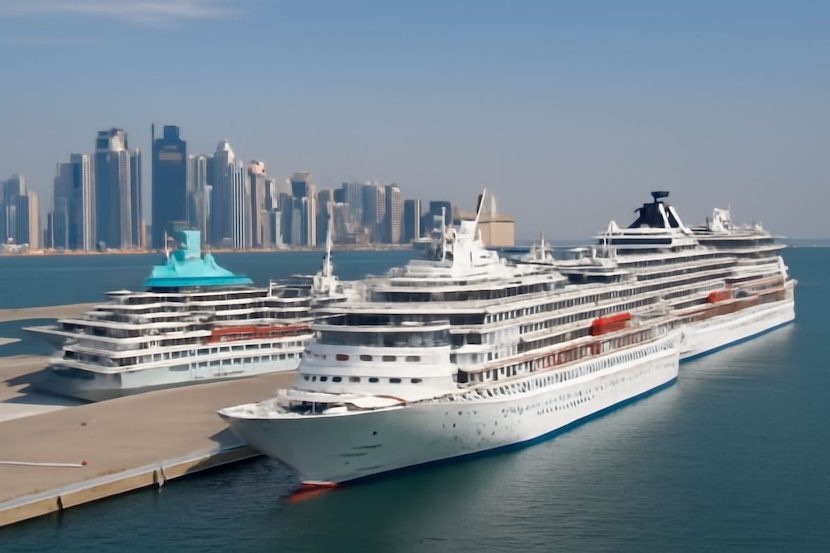
Spain is making a statement about where it wants cruise tourism to go — and Gran Canaria is at the center of that ambition. The island’s newly unveiled cruise terminal in Las Palmas is now recognized as one of the largest cruise terminals in Europe, a development that positions the Canary Islands as a premier destination on global maritime routes.
For travelers who have passed through older, congested port facilities, this kind of infrastructure upgrade matters more than it might sound. A well-designed terminal doesn’t just process passengers — it sets the tone for an entire trip before anyone even steps foot on the island.
The opening of this facility reflects a broader push by Spain to strengthen its position in international tourism through serious investment in port infrastructure. And for cruise lines mapping out Atlantic itineraries, a world-class terminal changes the calculus entirely.
Why the Gran Canaria Cruise Terminal Is Turning Heads
The Canary Islands have long held an advantage that most European destinations can’t match: a strategic location in the Atlantic Ocean that places them naturally along major cruise routes connecting Europe, Africa, and the Americas. What has sometimes limited their appeal is the infrastructure needed to handle growing passenger volumes smoothly.
That gap is now being addressed directly. The new terminal at Las Palmas has been designed from the ground up with passenger flow in mind. Wide walkways, modern check-in counters, and clearly organized boarding zones are all part of a facility built to reduce waiting times and eliminate the bottlenecks that make port arrivals frustrating.
Officials have noted that the design philosophy centers on three priorities: comfort, safety, and speed. Those aren’t just marketing words — they translate into practical decisions about how space is used, how passengers are guided through the facility, and how quickly ships can be turned around for departure.
The result is a terminal that advocates argue will set a new benchmark for cruise infrastructure in southern Europe.
What the New Terminal Actually Offers Passengers
The experience at a cruise terminal begins the moment a ship docks, and the Las Palmas facility has been engineered to make that experience as seamless as possible. Here’s what the new terminal brings to the table:
- Spacious, organized boarding zones designed to reduce crowding and keep passenger movement efficient
- Modern check-in counters built to handle high passenger volumes without creating long queues
- Wide walkways that make navigation easier for all travelers, including those with mobility considerations
- Advanced systems integrated throughout the facility to support smooth operations from arrival through departure
- A design focus on comfort and safety that reflects current best practices in large-scale transit infrastructure
Taken together, these features represent a significant step up from older port facilities that were built for a different era of cruise travel — when ships were smaller and passenger numbers were a fraction of what they are today.
How This Fits Into the Canary Islands’ Bigger Tourism Picture
The terminal launch doesn’t exist in isolation. It’s part of Spain’s deliberate strategy to grow tourism through infrastructure investment, and the Canary Islands are a key piece of that strategy.
| Factor | Detail |
|---|---|
| Location | Gran Canaria, Canary Islands — strategic Atlantic position |
| Terminal city | Las Palmas |
| Scale | Among the largest cruise terminals in Europe |
| Design focus | Passenger comfort, safety, and operational speed |
| Strategic goal | Strengthening the Canary Islands’ global tourism appeal |
| Broader context | Part of Spain’s investment in world-class tourism infrastructure |
The Canary Islands have historically attracted visitors from across northern Europe seeking winter sun, but the cruise market represents a different and growing audience. Cruise passengers often have shorter stays but high spending potential, and a terminal that processes them efficiently makes the destination more attractive to cruise lines when they’re planning multi-port itineraries.
Supporters of the project argue that this kind of investment pays dividends well beyond the terminal itself — drawing more ships means more passengers exploring Las Palmas and Gran Canaria’s wider attractions, spending in local businesses, and potentially returning for longer holidays in the future.
What This Means for Travelers Planning a Canary Islands Visit
If you’re considering a cruise that includes Gran Canaria, the practical implications are straightforward: arrivals and departures through Las Palmas should be noticeably smoother than what older terminals in the region have offered.
For travelers who have experienced the chaos of overcrowded embarkation halls — the long lines, the confusing signage, the wait times that eat into port time — a purpose-built modern terminal is a genuine improvement in quality of life during travel.
Beyond the terminal itself, Gran Canaria offers a range of experiences that make it a compelling cruise stop in its own right. The island’s Atlantic position means it’s accessible year-round, and its combination of urban life in Las Palmas with the island’s natural landscapes gives passengers real choices about how to spend their time ashore.
The terminal’s launch is also expected to attract more cruise lines to include Gran Canaria on their routes, which could expand the options available to travelers looking to book Atlantic and Mediterranean itineraries in the coming years.
What Comes Next for Gran Canaria’s Port
The unveiling of the terminal marks a beginning rather than an endpoint. As the facility becomes operational and cruise lines begin routing more ships through Las Palmas, the real test will be whether the passenger experience lives up to the design promises.
Officials and tourism advocates appear confident that the infrastructure is in place to handle growing demand. The expectation is that the terminal will help accelerate the Canary Islands’ rise as a key hub on global cruise routes, drawing visitors who might previously have favored competing destinations in the Mediterranean or elsewhere in Europe.
For Spain’s broader tourism industry, Gran Canaria’s new terminal is a signal of intent — that the country is willing to invest seriously in the infrastructure needed to compete at the highest level of international travel.
Frequently Asked Questions
Where is the new Gran Canaria cruise terminal located?
The terminal is located in Las Palmas, the main city of Gran Canaria in Spain’s Canary Islands.
How large is the Gran Canaria cruise terminal compared to others in Europe?
The facility is described as one of the largest cruise terminals in Europe, reflecting a significant investment in port infrastructure.
What passenger experience improvements does the new terminal offer?
The terminal features wide walkways, modern check-in counters, organized boarding zones, and advanced operational systems designed to reduce waiting times and improve comfort.
Why is Gran Canaria considered a strategic location for cruise routes?
The island sits in the Atlantic Ocean in a position that places it naturally along major cruise routes connecting Europe, Africa, and the Americas.
Will the new terminal attract more cruise ships to Gran Canaria?
Officials and tourism advocates expect the modern facility to make Gran Canaria a more attractive port of call for international cruise lines, potentially increasing the number of ships and passengers visiting the island.
When did the Gran Canaria cruise terminal open?
The terminal’s launch was reported in March 2026, though specific opening ceremony details have not been confirmed beyond the announcement of the facility’s unveiling.



Leave a Reply