
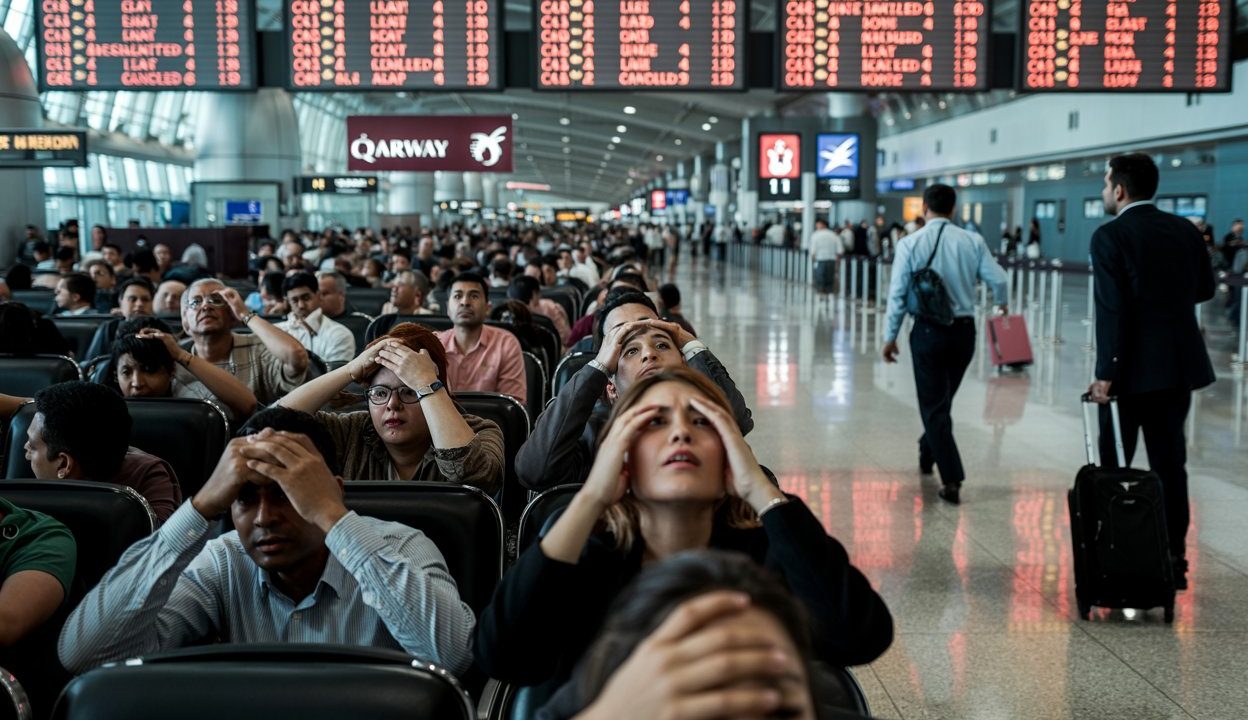
One hundred and eighty flights delayed. Seven cancelled outright. Hundreds of travelers left waiting in terminal seats, crowding ticket counters, and scrambling to rebook connections — all at one of the busiest leisure travel airports in the country.
Harry Reid International Airport in Las Vegas, Nevada became a flashpoint for widespread travel disruption this week, sending ripple effects through the itineraries of passengers bound for New York, Chicago, Orlando, and other major U.S. cities. For anyone who was at the airport — or had someone flying through it — the experience was a sharp reminder of just how quickly a disruption at a major hub can unravel carefully made plans.
The scale of the delays, affecting carriers including Southwest, Delta, and United, put Las Vegas squarely at the center of a travel headache that played out across departure lounges and gate areas throughout the week.
What Happened at Harry Reid International Airport
The disruptions centered on a wave of flight delays and cancellations that swept through Harry Reid International Airport, located near the heart of the Las Vegas Valley. The airport serves as a key gateway for domestic leisure travel and also handles a significant volume of international connections, making it a critical node in the U.S. air travel network.
According to reports, 180 flights were delayed and 7 flights were cancelled during the disruption period. While seven cancellations may sound modest in isolation, the cascading effect of 180 delayed departures across a single airport — particularly one handling the volume of traffic Las Vegas generates — created a significant backlog that left hundreds of passengers stranded or stuck in extended waits.
Families returning home from long weekends, solo travelers, and groups on leisure trips all found themselves caught in the disruption, with shifting schedules making it difficult to plan next steps. Ticket counters reportedly saw increased pressure as passengers sought rebooking options and answers from airline staff.
Which Airlines and Routes Were Affected
The disruptions touched several of the country’s largest carriers, all of which operate significant service through Las Vegas. Southwest Airlines, Delta, and United were among those impacted, along with other airlines operating out of the airport.
Routes connecting Las Vegas to major metropolitan areas were among the most affected, with flights to and from New York, Chicago, and Orlando seeing disruptions. These are among the highest-traffic corridors in domestic leisure travel, meaning the passenger volume caught up in the delays was substantial.
| Disruption Type | Number of Flights |
|---|---|
| Flights Delayed | 180 |
| Flights Cancelled | 7 |
Airlines confirmed to be among those affected include:
- Southwest Airlines
- Delta Air Lines
- United Airlines
Affected routes included connections to:
- New York
- Chicago
- Orlando
- Other major U.S. cities
Why Las Vegas Disruptions Hit Harder Than Most
Harry Reid International Airport isn’t just another regional hub. It consistently ranks among the busiest airports in the United States, driven largely by the relentless flow of visitors to the Las Vegas Valley. Unlike airports that serve a mix of business and leisure travelers, Las Vegas skews heavily toward leisure — which means a large proportion of passengers traveling through the airport are on tight itineraries tied to hotel bookings, event tickets, and connecting flights home after vacation.
When delays stack up at an airport like this, the real-world consequences aren’t just inconvenient — they’re expensive. Missed hotel checkout times, lost prepaid reservations, and the cost of rebooking last-minute flights can add up quickly for families and groups who planned their trips months in advance.
The airport’s role as a gateway also means disruptions don’t stay local. A delayed departure from Las Vegas can cause a missed connection in Chicago or New York, turning a single airport problem into a multi-city domino effect for travelers trying to get home.
What Stranded Passengers Were Dealing With
For those caught in the disruption, the experience unfolded in real time across the airport’s terminals. Departure boards showed shifting times, gate areas filled up as flights were held, and the lines at airline counters grew as passengers sought clarity on their options.
Rebooking during a mass delay event is rarely straightforward. Airline seats on alternate flights fill quickly when hundreds of passengers are simultaneously looking for the next available option on the same routes. Travelers heading to high-demand destinations like New York and Chicago — cities that already see heavy traffic — faced the toughest rebooking environments.
Officials have noted that travel disruptions of this scale at major leisure airports tend to disproportionately affect passengers who don’t have elite frequent flyer status or travel insurance, as those travelers generally have fewer automatic protections and less priority access to rebooking queues.
What Travelers Should Know Going Forward
If you’re flying through Harry Reid International Airport in the near term, or if your itinerary connects through Las Vegas, the situation serves as a useful prompt to review your options before you travel.
A few practical steps are worth considering:
- Check your flight status directly with your airline before heading to the airport, especially during periods of high travel volume.
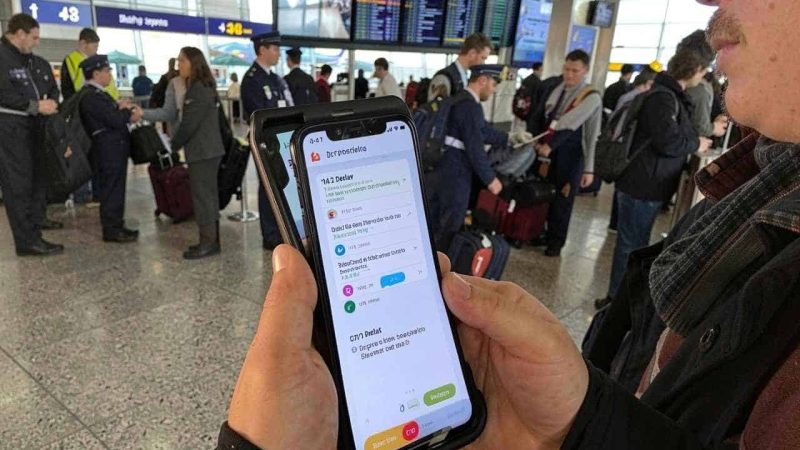
- Download your airline’s app if you haven’t already — rebooking options and real-time gate updates are often faster through the app than through airport counters during disruption events.
- Know your passenger rights. In the event of a cancellation, U.S. airlines are required to offer rebooking at no additional charge. Policies on compensation for delays vary by carrier.
- Travel insurance can cover costs like hotel stays and meals during extended delays, and is worth reviewing if you’re planning a trip through a major hub during busy travel periods.
- Build in buffer time when booking connections through high-traffic airports, particularly those that serve primarily leisure travelers and see significant volume swings around weekends and holidays.
The specific cause of this week’s disruptions at Harry Reid International Airport has not been confirmed in available reporting. Whether weather, air traffic control issues, or operational factors were responsible remains unclear from the information currently available.
What is clear is that the scale — 180 delays and 7 cancellations across multiple major carriers — made this a significant event for the airport and for the hundreds of passengers who found their travel plans upended in the middle of a busy week.
Frequently Asked Questions
How many flights were affected at Harry Reid International Airport?
According to reports, 180 flights were delayed and 7 flights were cancelled during the disruption period.
Which airlines were impacted by the Las Vegas airport delays?
Southwest Airlines, Delta Air Lines, and United Airlines were among the carriers affected, along with other airlines operating out of the airport.
Which routes were most disrupted by the Harry Reid Airport delays?
Flights to and from New York, Chicago, Orlando, and other major U.S. cities were among the routes affected.
What caused the delays and cancellations at Harry Reid International Airport?
The specific cause has not been confirmed in available reporting at this time.
What should I do if my flight was cancelled or significantly delayed?
Contact your airline directly for rebooking options — U.S. carriers are required to rebook passengers on cancelled flights at no extra charge, and many offer self-service options through their apps.
Is Harry Reid International Airport one of the busiest in the U.S.?
Yes, it consistently ranks among the busiest U.S. airports, driven primarily by high leisure travel volume to and from the Las Vegas Valley.



Leave a Reply