
▶ Read transcript
Here’s what you need to know about the global luxury hotel boom reshaping travel in 2026. Four countries are leading the charge right now: Colombia, Saudi Arabia, Cape Verde, and Vietnam. Each is seeing a wave of high-end openings and major international brands planting their flags. Vietnam is perhaps the most dramatic story, with Phu Quoc transforming from a quiet fishing island into a full-scale luxury destination in under a decade. In Saudi Arabia, the boom is tied directly to Vision 2030, with new hotels essentially building entire tourism ecosystems from scratch. Cape Verde is also worth watching, with four-star rooms still available around 1,200 rand a night, meaning luxury growth hasn’t yet pushed out budget travelers. Critics do raise fair concerns about authenticity and local access, but supporters point to real job creation and infrastructure gains. If any of these four destinations are on your radar, now is a smart time to start comparing prices before the boom fully catches up.
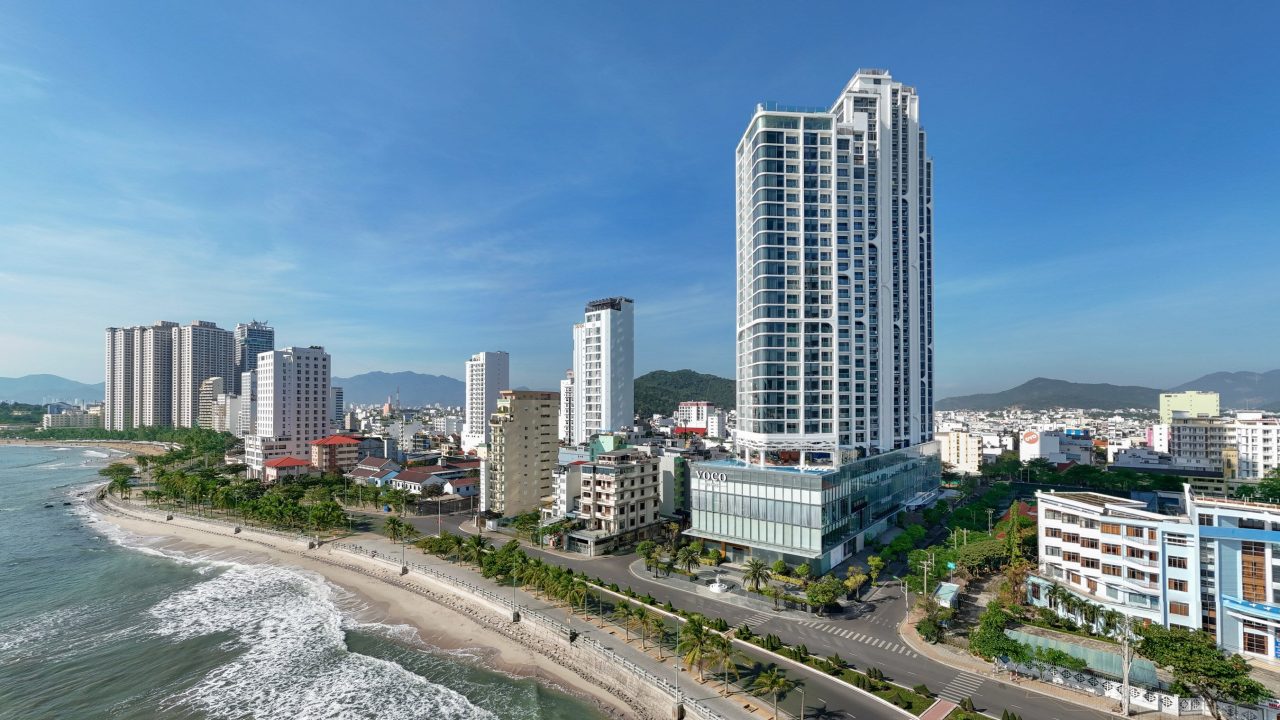
She arrived at Phu Quoc’s Long Beach just after sunset, rolling her carry-on across white sand toward a resort she almost didn’t book. The InterContinental Phu Quoc Long Beach Resort, with its 459 rooms, suites, and villas, felt less like a hotel and more like a small coastal city. She had almost chosen a boutique guesthouse instead. Standing at the water’s edge, she was glad she hadn’t.
That moment captures a tension playing out across the global hotel industry right now. On one side: a surging appetite for luxury, scale, and branded prestige. On the other: a growing skepticism about whether this boom serves travelers or just investors.
The Controversy Splitting the Travel Industry in 2026
The global hotel industry is in the middle of an undeniable expansion. Colombia, Saudi Arabia, Cape Verde, and Vietnam have emerged as the four most talked-about markets, each seeing a rush of luxury openings, major rebrands, and ambitious pipeline announcements.
But not everyone is celebrating. Critics argue that luxury-first development prices out local travelers, homogenizes destinations, and prioritizes aesthetics over authenticity. Supporters counter that high-end hotel investment creates jobs, raises infrastructure standards, and attracts the kind of tourism that actually sustains local economies.
This is not a simple argument. The evidence cuts both ways.
| Country | Key Development | Market Position | Notable Brand |
|---|---|---|---|
| Vietnam | Luxury resort expansion, Phu Quoc | Emerging luxury hub | InterContinental |
| Saudi Arabia | New openings, Vision 2030 pipeline | Mega-project driven | Ritz-Carlton |
| Cape Verde | Barceló Hotel Sal Island rising | Beach resort market | Barceló, Meliá, Hilton |
| Colombia | Luxury openings and rebrands | Urban and eco luxury | Multiple international chains |
Why Luxury Hotel Investment Actually Lifts These Destinations
The pro-expansion argument starts with jobs and infrastructure. When a brand like Ritz-Carlton, which sets the global standard for luxury service, enters a new market, it doesn’t arrive alone. It brings training programs, supply chain partnerships, and international visibility that smaller properties simply cannot generate.
In Saudi Arabia, the hotel boom is inseparable from Vision 2030, the kingdom’s sweeping economic diversification plan. New properties aren’t just buildings; they are anchors for entirely new tourism ecosystems. The kingdom is building destinations from scratch, and international hotel brands are the scaffolding.
Cape Verde tells a similar story. The Barceló Hotel Sal Island, rising alongside the pier on one of the island’s most visited coastlines, represents exactly the kind of investment that small island economies depend on. KAYAK data shows 4-star hotel rooms in Cape Verde starting as low as R1,262 per night, suggesting the market is still accessible even as luxury supply grows.
Vietnam’s trajectory is particularly striking. Phu Quoc has transformed from a sleepy fishing island into a legitimate luxury destination in under a decade. The InterContinental property there is not an outlier; it is a signal. International brands entering Vietnam are betting on a middle class that is growing fast and a government that actively courts foreign hospitality investment.
Colombia rounds out the picture. The country’s hotel sector has seen a surge of both luxury openings and major rebrands, reflecting renewed international confidence after years of security-related hesitation. Bogotá and Cartagena, in particular, are attracting chains that would have passed on Colombia entirely a decade ago.
The Case Against the Luxury Hotel Rush
The skeptics have real ammunition. When luxury brands flood a destination, local character tends to erode. The same infinity pool aesthetic, the same marble lobbies, the same curated local craft shops in the lobby boutique. Critics argue that what makes Cape Verde or Phu Quoc worth visiting is precisely what mass luxury development threatens to erase.
“The risk is that we build destinations that look like everywhere else. Travelers fly 14 hours to find a hotel that could be in Miami.”
— A sentiment increasingly common among independent travel writers and boutique operators
There is also the question of who benefits. Luxury hotel revenue often flows back to international parent companies, not local communities. Staff wages at branded properties can be low relative to room rates. And the infrastructure built to serve five-star resorts, private roads, desalination plants, golf courses, rarely serves surrounding villages.
Saudi Arabia presents the starkest version of this tension. The kingdom’s hotel boom is real and accelerating, but it is happening in a context of state-directed development. The tourism being built there is, in many ways, a product being manufactured rather than a culture being shared. That distinction matters to a growing segment of travelers.
Vietnam
Saudi Arabia
Colombia
Cape Verde
| Metric | Vietnam | Saudi Arabia | Colombia | Cape Verde |
|---|---|---|---|---|
| Investment Growth |
82 |
95 |
68 |
60 |
| Infrastructure Quality |
74 |
90 |
65 |
62 |
| Brand Prestige |
85 |
92 |
72 |
68 |
| Local Economic Impact |
70 |
60 |
78 |
72 |
| Authenticity Preservation |
55 |
40 |
74 |
82 |
| Tourism Volume |
88 |
72 |
65 |
55 |
| Sustainability Focus |
63 |
58 |
70 |
77 |
In Cape Verde, the Meliá Dunas resort’s celebrity-studded opening, which welcomed musician Tinie Tempah to perform on the beach, generated headlines. But local advocates ask whether that publicity translates into economic benefit for Sal Island residents, or simply signals that the island is becoming a playground for international elites.
What the Global Pipeline Data Actually Reveals
Setting aside the ideological debate, the numbers tell a clear story. The global hotel pipeline is growing, and it is skewing heavily toward branded, upper-upscale, and luxury segments. That is not a coincidence; it reflects where capital is flowing and where brands see the most margin.
The April 2026 hotel news cycle confirmed what industry watchers had been tracking for months. Saudi Arabia, Cape Verde, and Vietnam all recorded significant openings in the first week of April alone. Colombia’s rebrand activity signals that existing properties are repositioning upward, not just that new builds are arriving.
The InterContinental Phu Quoc Long Beach Resort, with its combination of refined luxury and beachfront scale, is emblematic of the segment driving growth: large-footprint resorts that can absorb group travel, weddings, and corporate retreats alongside leisure guests. These properties are not built for the backpacker or the boutique seeker. They are built for volume at a high price point.
What the data does not yet show is whether this supply growth will outpace demand. Luxury hotel oversupply is a real risk in markets that are still building their tourism identities. Vietnam has the domestic and regional demand to absorb new inventory. Saudi Arabia is less certain, depending heavily on government-sponsored events and incentivized tourism to fill rooms.
Where the Boom Leads and Who Gets to Decide
The editorial position here is not anti-luxury. High-end hotel development, done thoughtfully, genuinely elevates destinations. It creates skilled employment, raises service standards across the market, and generates the tax revenue that funds public infrastructure.
But the current boom in these four markets deserves scrutiny precisely because it is moving fast. Cape Verde’s coastline is finite. Vietnam’s island ecosystems are fragile. Saudi Arabia’s tourism identity is still being written. Colombia’s hard-won international reputation is newly minted.
The brands entering these markets, from InterContinental to Ritz-Carlton to Barceló, carry enormous influence over how these destinations are perceived and experienced globally. That influence comes with responsibility that goes beyond thread counts and infinity pools.
For travelers, the practical implication is this: book these destinations now, before the boom fully matures. The InterContinental Phu Quoc experience today is different from what it will be when three more comparable resorts open nearby. Cape Verde’s charm is partly a function of its relative undiscovery. Colombia’s urban hotel scene still has rough edges that give it personality.
The luxury hotel boom is not a problem to be solved. It is a pressure to be managed. The question is whether the countries driving it, and the brands profiting from it, are asking the right questions before they break ground. The answer will define what global travel looks like for the next generation of guests, and whether any of these places still feel worth the flight.
Frequently Asked Questions
Frequently Asked Questions

You Might Also Like

Trump’s Cuba Comments Are Leaving Caribbean Travelers With Real Questions
When a sitting U.S. president suggests that capturing a sovereign Caribbean nation could be considered…

Spain Airport Strikes This Easter Could Leave Thousands Stranded
Millions of Easter travelers heading to Spain this year are being warned to prepare for…
Hamburg Airport’s Summer 2026 Schedule Just Added Routes Most Flyers Missed
More than 120 destinations. Fifty-five airlines. And one brand-new route connecting northern Germany directly to…
Leave a Reply