
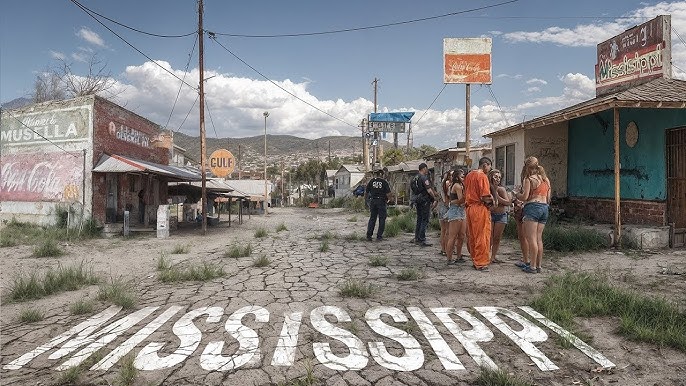
▶ Read transcript
Here’s what you need to know about America’s most underrated towns worth visiting in 2026. First, overtourism is a real and measurable problem now. Venice charges entry fees, the Smoky Mountains saw 14 million visitors in 2024, and places like Savannah have lost much of their local character to franchise restaurants. Second, while popular destinations got crowded, secondary American cities quietly upgraded, with young chefs returning home, historic buildings becoming boutique hotels, and local food scenes rivaling any coastal city. Third, the value is genuinely remarkable. Average nightly hotel rates in the top picks sit around 89 dollars, with towns like Eureka Springs, Bisbee, and Natchez offering rich history, architecture, and culture at a fraction of what you’d spend in Nashville or Austin. Fourth, places like Astoria, Oregon, founded in 1811, carry stories most travelers have simply never been pointed toward. Your takeaway: before you book your next trip, search one secondary city you’ve never considered. You might be surprised what you find.
When did you last visit somewhere that wasn’t already on someone else’s Instagram? Most American travelers recycle the same dozen cities — New York, Nashville, Austin, Sedona — while genuinely extraordinary places gather dust on county road signs. There are towns in this country with century-old architecture, local food scenes that rival any coastal city, and hotel rooms under $120 a night. You just haven’t been told about them yet.
America’s most rewarding destinations aren’t hidden — they’re just overlooked. Hidden gems like Chattanooga, Tennessee, Grand Junction, Colorado, and Tulsa, Oklahoma offer big-city culture at small-city prices. This ranked list starts where most travel editors stop — and ends somewhere almost nobody has written about yet.
Why 2026 Is the Year to Stop Following the Crowd
Read more: 8 Best Ghost Towns in America Worth the Drive in 2026
Overtourism is measurable now. Venice charges a day-entry fee. The Smoky Mountains hit 14 million visitors in 2024. Savannah’s River Street is more franchise restaurant than local culture anymore. The economic and experiential case for going off-script has never been stronger.
Meanwhile, secondary cities quietly upgraded. Broadband improved rural cores. Young chefs returned to their hometowns. Historic buildings that sat vacant for a decade became boutique hotels. From the Blue Ridge down to the Carolina coast, small towns transformed faster than travel media noticed. This list corrects that lag.
12 U.S. states
in the top 5 picks
Astoria, Oregon
#1 ranked town
The Countdown: #15 Through #2
Read more: 3,800+ Ghost Towns Worth Your Next American Road Trip
#15 — Eureka Springs, Arkansas (Carroll County)
Population: ~2,073. Founded around natural spring water. Victorian architecture fills every block of this Ozark hillside town. Hotel rooms at the Crescent Hotel — reportedly haunted — start around $109/night. The food scene punches well above its size.
#14 — Bisbee, Arizona (Cochise County)
Population: ~5,200. A copper-mining town reborn as an arts colony. Elevation: 5,538 feet — cool even in July. The Lavender Pit mine is a jaw-dropping open-air relic. Galleries and live music seven nights a week. Southern Arizona’s food culture extends far beyond Tucson, into towns like Bisbee where independent operators define the scene.
#13 — Natchez, Mississippi (Adams County)
Population: ~14,000. Oldest continuous settlement on the Mississippi River. More antebellum mansions per capita than anywhere else in the nation. The Under-the-Hill Saloon has been open since . Median home price sits around $128,000 — extraordinarily affordable.
#12 — Astoria, Oregon (Clatsop County)
Population: ~10,000. Founded — the oldest American settlement west of the Rocky Mountains. Sits where the Columbia River meets the Pacific. The 125-foot Astoria Column offers a view that stops people mid-sentence. Average nightly inn rate: $115.
#11 — Marfa, Texas (Presidio County)
Population: ~1,800. At 4,688 feet elevation in the Chihuahuan Desert. Donald Judd’s Chinati Foundation put it on the contemporary art map. The Marfa Lights still have no scientific consensus. Drive time from El Paso: 200 miles. Remote, intentional, unforg
. Average nightly inn rate: $165. Nothing quite prepares you for a minimalist sculpture the size of a warehouse sitting alone in West Texas dust.
#12 — Bisbee, Arizona (Cochise County)
Population: ~5,000. Founded as a copper boomtown. The Lavender Pit mine — 300 feet deep, nearly a mile wide — still dominates the canyon floor. Victorian storefronts cling to near-vertical hillsides. Drive time from Tucson: 90 miles southeast on US-80. Staircase streets replace sidewalks in the Brewery Gulch district. Average nightly rate: $120. The elevation sits at 5,538 feet — cooler than Phoenix by a full 20 degrees in July.
#13 — Mineral Point, Wisconsin (Iowa County)
Population: ~2,600. Wisconsin’s third-oldest city, platted in during a lead-mining rush. Cornish miners shaped its stone architecture so thoroughly that Shake Rag Alley still looks transplanted from Cornwall. Drive time from Madison: 50 miles southwest on US-151. Over 40 working artists maintain studios here — ceramicists, glassblowers, printmakers. Average nightly B&B rate: $95. The Wisconsin Historical Society lists it among the state’s most intact 19th-century streetscapes.
#14 — Apalachicola, Florida (Franklin County)
Population: ~2,200. Once produced 90% of Florida’s oysters. The Apalachicola River deposits nutrients that still feed the bay — when harvests recover, they’re unmatched. Drive time from Tallahassee: 80 miles southwest on US-98. Victorian cotton warehouses line Water Street, converted now to galleries and seafood shacks. The Apalachicola National Estuarine Research Reserve protects 246,000 surrounding acres. Average nightly rate: $130. No traffic lights. One main street. Shrimp boats dock three blocks from the hardware store.
#15 — Lewisburg, West Virginia (Greenbrier County)
Population: ~3,800. Named a “Coolest Small Town in America” by Budget Travel — and it earned it. The Carnegie Hall here — yes, a real Carnegie Hall, built , separate from New York’s — hosts live performances year-round. Drive time from Beckley: 65 miles east on I-64. The historic district covers 236 acres of Federal and Greek Revival architecture. Average nightly rate: $110. Greenbrier Valley Airport offers direct regional flights. The town sits at the edge of the Monongahela National Forest — trailheads begin within city limits.
Frequently Asked Questions

You Might Also Like
Tenerife South Airport Hits 4-Hour Waits as EU Border Rules Bite
Passengers arriving at Tenerife South Airport are facing wait times of up to four hours,…
Indian Railways Extends Special Trains and Millions of Travelers Will Notice
Millions of passengers traveling between Delhi, Bihar, and West Bengal are set to benefit from…

MSC Cruises Is Quietly Rebuilding Caribbean Coral Reefs From the Sea
Caribbean coral reefs have drawn millions of visitors every year with their extraordinary underwater landscapes…
Leave a Reply