
▶ Read transcript
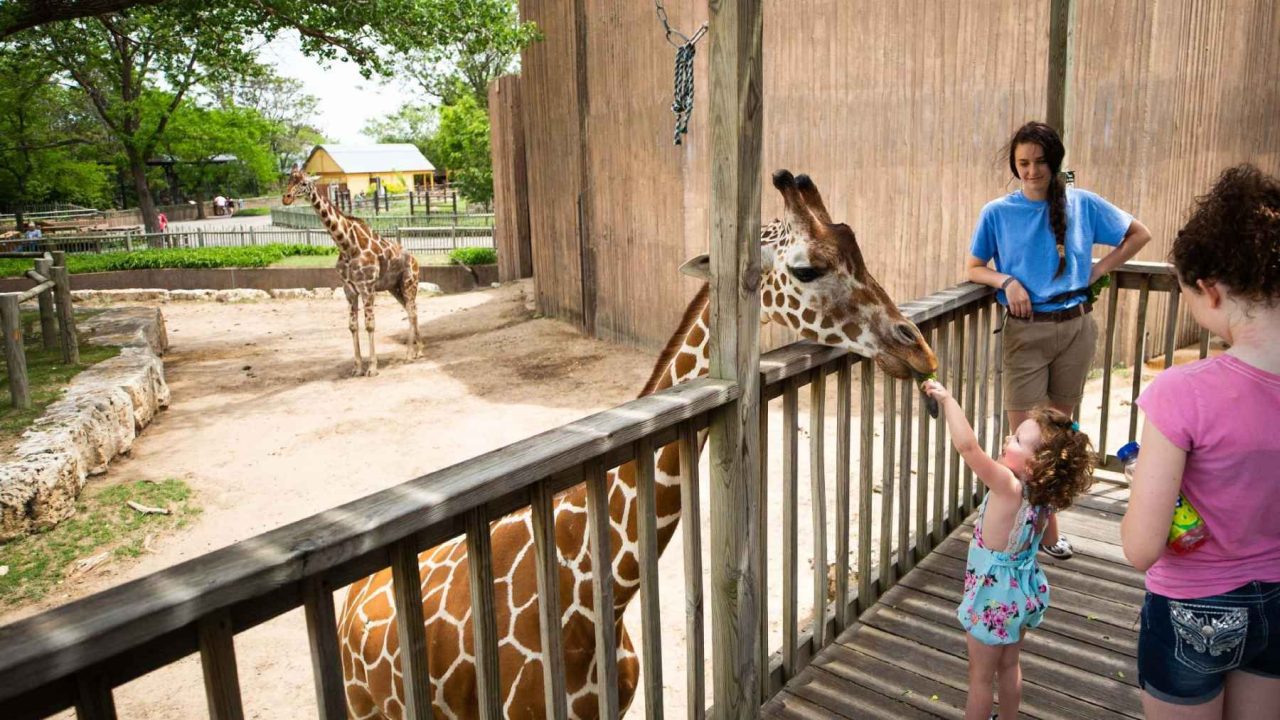
Here’s what you need to know about a bold move from the Sedgwick County Zoo in Wichita, Kansas. The zoo is planning a forty-six million dollar expansion called the Savanna, featuring a sweeping African savanna habitat for giraffes, rhinos, and other species. But the real headline is a hotel planned on nearby land, designed so guests can wake up with direct sightlines into the habitat. No major American zoo has made overnight lodging with habitat views a central pillar of a capital campaign like this before. Once the new habitat opens, the current animal enclosures will be converted into event rental spaces for parties and corporate functions, creating year-round revenue that doesn’t depend on seasonal ticket sales alone. The expansion would also allow the zoo to grow its giraffe herd, meaningful for a species whose wild population has dropped roughly forty percent over three decades. If you’re in the zoo or tourism world, keep an eye on Wichita. This model could redefine how mid-sized zoos stay financially viable.
Zoos are not supposed to be hotels. They are supposed to be sanctuaries, classrooms, conservation outposts. The idea that a zoo would build lodging on its grounds, letting guests wake up to the sight of giraffes grazing outside their windows, sounds like a theme park gimmick. But Sedgwick County Zoo in Wichita, Kansas, is betting $46 million that the opposite is true. That a hotel isn’t a distraction from the mission. It might be the only way to keep the mission alive.
Inside Sedgwick County Zoo’s $46 Million African Savanna
The project is called “the Savanna.” Presented by the zoo’s leadership on a Friday in April 2026, the plan calls for a sweeping African savanna habitat to be built in the southwest portion of the zoo grounds. Giraffes, rhinos, and other African species would roam through it. The zoo’s existing train station would be repurposed as a gateway, funneling visitors into the new back exhibit area.
But the most provocative element isn’t the animals. It’s the hotel planned for nearby land, designed so that guests would have direct sightlines into the habitat itself. Imagine pulling back curtains to see a white rhino standing fifty yards away, unhurried, unperformed. That’s the pitch.
Zoo CEO Scott Newland has been clear that the total cost is still being finalized. The most expensive components remain early estimates. But the ambition is unmistakable. This isn’t a modest renovation. It’s a reimagining of what a mid-sized American zoo can be.
Why Wichita’s Zoo Is Turning Old Habitats Into Party Venues
Here’s where the financial logic gets interesting, and a little uncomfortable. Once the new Savanna habitat opens, the current rhino and giraffe enclosures won’t simply go dark. They’ll be converted into rental spaces for events: birthday parties, school gatherings, corporate functions.
That detail might make purists wince. But it reveals a deeper truth about the economics of running a zoo in 2026. Ticket sales alone rarely cover operating costs, let alone capital improvements. Seasonal attendance swings can devastate budgets. The Savanna project is explicitly designed to create year-round revenue streams that don’t depend on turnstile clicks.
A hotel with habitat views. Event spaces in former enclosures. An expanded giraffe herd that doubles as a conservation commitment and a tourism draw. Each piece reinforces the others. The hotel fills beds because the Savanna is spectacular. The event rentals generate cash because the old habitats carry novelty and nostalgia. The larger giraffe population justifies the conservation narrative that makes donors and grant-makers comfortable writing checks.
The Competitive Landscape: How Wichita Stacks Up
Sedgwick County Zoo isn’t operating in a vacuum. Across the country, zoos are engaged in an arms race of immersive experiences and capital campaigns. Understanding where Wichita fits requires context.
| Zoo | Major Project | Estimated Cost | Key Feature |
|---|---|---|---|
| Sedgwick County Zoo (Wichita, KS) | The Savanna | $46 million | Hotel with habitat views |
| Omaha’s Henry Doorly Zoo | Scott African Grasslands | $73 million | 28 acres; meerkats, giraffes, elephants, lions |
| Great Plains Zoo (Sioux Falls, SD) | New aquarium + campus | $46 million (aquarium alone) | Jellyfish, sharks, penguins |
| Oglebay’s Good Zoo (WV) | Lion habitat + entrance renovation | Not disclosed | Major 2026 construction underway |
Omaha’s Henry Doorly Zoo, consistently ranked the top zoo in the United States, spent $73 million on its Scott African Grasslands exhibit spanning 28 acres. That project set a benchmark. In Sioux Falls, the Great Plains Zoo has its own $46 million aquarium vision featuring species-specific environments for jellyfish, sharks, and penguins. Even smaller institutions like Oglebay’s Good Zoo in West Virginia launched 2026 with a lion habitat build already underway.
Wichita’s differentiator is the hotel. No major American zoo has made overnight lodging with direct habitat views a central pillar of a capital campaign quite like this. It’s a calculated gamble that immersion, not just exhibition, is the future.
The Tension Between Conservation and Commerce
Scott Newland and his team face a question that haunts every modern zoo director. At what point does the revenue model overshadow the conservation mission? A hotel on zoo grounds isn’t inherently problematic. But it introduces pressures that don’t exist when the only product is a day pass.
Hotel guests expect comfort, quiet, predictability. Animals are none of those things. A rhino might spend the entire afternoon behind a berm, invisible to the guest who paid a premium for the view. A giraffe might press its face against a barrier in a way that delights one visitor and unsettles another. The promise of proximity creates expectations that wild behavior can’t always fulfill.
Your mid-sized city zoo has aging animal habitats and declining attendance. A consultant proposes a $46 million expansion that includes a hotel with habitat views, but the total cost is still uncertain and your city has a population of only 400,000.
“The most expensive pieces are only early estimates.”
— Sedgwick County Zoo leadership, on the Savanna project’s evolving budget
There’s also the question of whether a hotel fundamentally changes who visits and why. A family driving from Oklahoma City for a weekend might choose Wichita specifically because the zoo offers overnight immersion. That’s a new visitor, a new revenue source, a new opportunity for conservation education. Or it might attract guests who treat the animals as ambient décor, no different from a lake view at a resort.
The answer probably lies somewhere in between. And Sedgwick County Zoo seems to be betting that the educational upside outweighs the commercial risk.
What the Train Station Gateway Reveals About Design Intent
One detail from the plan deserves more attention than it’s received. The zoo’s existing train station will serve as the gateway into the new Savanna area. This isn’t just a logistical convenience. It’s a narrative device.
Train stations evoke departure, journey, arrival somewhere different. By routing visitors through a familiar structure and into an unfamiliar landscape, the design team is engineering a psychological transition. You’re not just walking to a new exhibit. You’re crossing a threshold.
This kind of experiential design has precedent in theme parks, museums, and botanical gardens. But applying it to a zoo, where the inhabitants are living creatures with unpredictable behavior, adds layers of complexity. The train station gateway suggests that the design team understands something important: the experience begins before you see the first giraffe.



Leave a Reply