
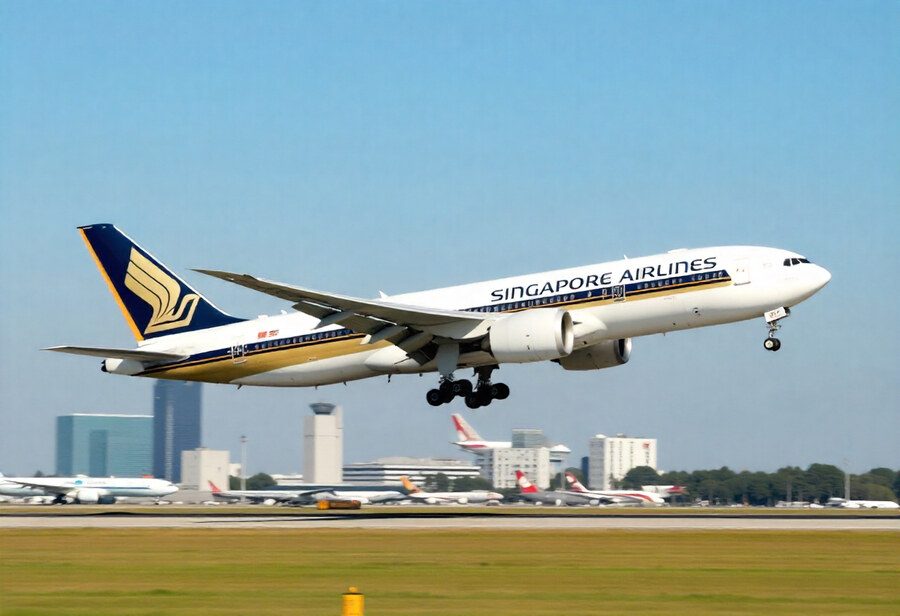
Starting June 1, 2026, Singapore Airlines will operate daily flights between Singapore and Hangzhou — a move that puts one of China’s fastest-growing technology and commerce hubs within direct, easy reach of travelers across Southeast Asia and beyond.
For anyone who has been watching Hangzhou’s rise — as the headquarters of Alibaba, a center of e-commerce innovation, and a city with deep cultural heritage — this new route is a significant development. Until now, reaching Hangzhou from Singapore typically meant connecting through another Chinese city, adding time and friction to what should be a straightforward journey.
The launch of this service reflects a broader trend: airlines are increasingly recognizing that China’s economic story is no longer concentrated in Beijing and Shanghai alone. Cities like Hangzhou are drawing serious attention from global investors, entrepreneurs, and tourists alike.
Why Singapore Airlines Is Betting on Hangzhou Right Now
Hangzhou sits in Zhejiang Province, roughly 180 kilometers southwest of Shanghai, and it has spent the last two decades transforming itself into one of China’s most dynamic urban centers. It is home to major technology companies, a thriving e-commerce ecosystem, and a growing reputation as a destination for both business travel and cultural tourism.
Singapore, meanwhile, serves as one of Asia’s primary aviation hubs — a connecting point for travelers from Europe, the Middle East, Australia, and the wider Asia-Pacific region. By adding a daily Hangzhou service, Singapore Airlines is essentially plugging this city into a global network that previously had limited direct access to it.
The airline has framed this expansion as a response to rising demand for seamless travel between Southeast Asia and Hangzhou. The daily frequency matters here — it gives travelers the kind of scheduling flexibility that occasional or weekly services simply cannot offer, whether you’re booking a last-minute business trip or planning a leisure visit around a specific festival or event.
What the Singapore–Hangzhou Route Looks Like in Practice
| Detail | Information |
|---|---|
| Airline | Singapore Airlines (SIA) |
| Route | Singapore – Hangzhou |
| Launch Date | June 1, 2026 |
| Frequency | Daily |
| Primary Travel Segments | Business and leisure travelers |
| Strategic Focus | Strengthening Southeast Asia–China connectivity |
The daily schedule means travelers are no longer locked into a handful of departure options each week. For business travelers especially, that reliability is often the deciding factor when choosing a route — or choosing whether to make a trip at all.
Who This Route Is Actually For
The short answer: a lot of people, for very different reasons.
On the business side, Hangzhou has become a magnet for companies involved in technology, digital retail, and manufacturing. The city’s profile in global commerce has grown considerably, and executives, investors, and trade visitors now have a direct, daily connection from Singapore’s Changi Airport rather than routing through a hub like Shanghai Pudong or Beijing Capital.
For leisure travelers, Hangzhou offers something genuinely distinct from China’s more frequently visited cities. It is known for West Lake — one of China’s most celebrated scenic areas — alongside temples, tea plantations, and a culinary tradition that draws visitors from across the country. Tourism observers have long noted that Hangzhou tends to appeal to travelers looking for a more nuanced experience of China beyond the standard metropolitan circuit.
There is also a significant segment of travelers who will use this route to visit family and friends. Hangzhou’s population has grown substantially as workers and professionals have relocated there, and direct flight access from Singapore — a city with a large Chinese diaspora community — will matter to many households on both ends of the route.
The Bigger Picture for China Travel in 2026
This route does not exist in isolation. It is part of a visible pattern of airlines expanding or restoring China connectivity as travel demand continues to recover and evolve following years of disruption.
Supporters of expanded China air access point to the country’s continued economic significance and the sheer scale of two-way travel demand between China and Southeast Asia. Hangzhou, specifically, represents a new chapter in that demand — one driven less by traditional gateway cities and more by the rise of regional Chinese hubs that have developed genuine global relevance.
Singapore Airlines’ decision to serve Hangzhou daily from the outset — rather than starting with a limited schedule — signals confidence in the route’s commercial viability. Airlines rarely commit to daily frequencies on new routes without strong evidence of underlying demand.
What Happens After June 1
The launch date of June 1, 2026 gives travelers and travel planners a clear horizon to work with. Bookings for the route are expected to open in advance of that date through Singapore Airlines’ standard channels.
Whether the airline expands further within China’s secondary city tier remains to be seen. Hangzhou is one of several Chinese cities that have grown significantly in international profile over the past decade, and the success of this route could inform future network decisions.
For now, the practical reality is straightforward: from June, travelers moving between Singapore and Hangzhou will have a direct, daily option from one of the world’s most consistently well-regarded carriers. That is a meaningful change for anyone with personal or professional ties to either city.
Frequently Asked Questions
When does the Singapore Airlines Hangzhou route launch?
The daily service between Singapore and Hangzhou is scheduled to begin on June 1, 2026.
How often will Singapore Airlines fly between Singapore and Hangzhou?
Flights will operate daily, giving travelers consistent scheduling options throughout the week.
Who is this route designed to serve?
Singapore Airlines has positioned the route for both business and leisure travelers seeking direct access between Singapore and Hangzhou.
Why is Hangzhou considered significant for business travel?
Hangzhou is recognized as a major center for technology and e-commerce in China, making it an important destination for international business visitors.
Will this route connect to other destinations beyond Singapore?
Singapore serves as a major international aviation hub, meaning travelers from many regions can connect through Changi Airport to reach Hangzhou, though specific connecting itineraries have not been detailed in the available information.
Has Singapore Airlines confirmed the aircraft type for this route?
This has not been confirmed in the available source material.




Leave a Reply