

Thailand’s luxury hotels are cutting room rates by as much as 70 percent — a dramatic move that signals just how severely the country’s tourism industry has been hit by a cascade of global disruptions.
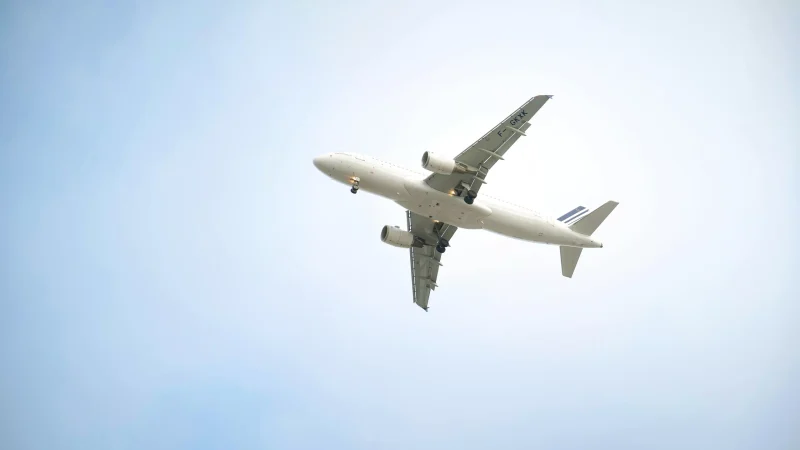
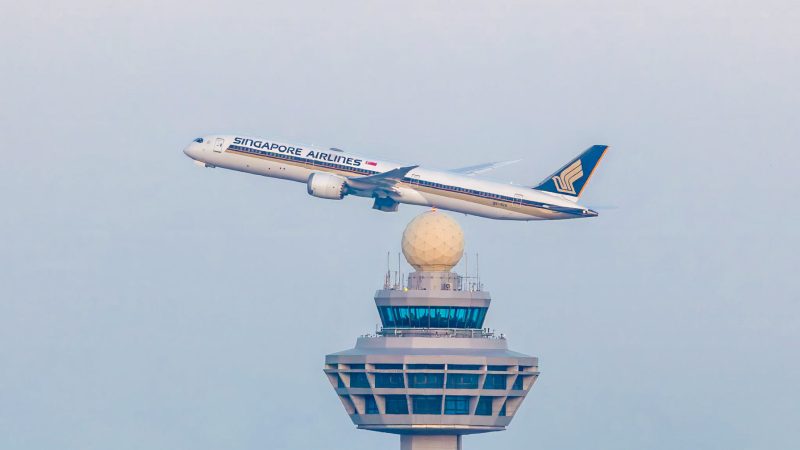
The discounts, aimed primarily at domestic travelers and expatriates living in Thailand, come as international arrivals have weakened sharply. The ongoing conflict in the Middle East has forced airspace closures, triggered widespread flight cancellations, and pushed airfare costs high enough that many would-be visitors are simply staying home.
For a country that has long ranked among the world’s most popular travel destinations, the current slowdown represents a serious challenge — and the hotel industry’s response tells you everything about how urgent the situation has become.
Why Thailand’s Tourism Sector Is Under Pressure Right Now
Thailand is the second-largest economy in Southeast Asia, and tourism has historically been one of its most important economic engines. Millions of international visitors arrive each year drawn by the country’s beaches, temples, food, and culture. The industry supports enormous numbers of jobs — from five-star hotel staff to street food vendors and tour operators.
But the current environment has made international travel to Thailand increasingly difficult and expensive. The conflict in the Middle East has disrupted flight routes that many carriers use to connect Europe, the Middle East, and Asia. Airspace closures have forced longer detours, raising operating costs for airlines. Those costs have been passed on to passengers in the form of higher ticket prices.
Flight cancellations have added another layer of uncertainty. Travelers who might otherwise book a trip to Bangkok or Phuket are hesitating, unwilling to commit to expensive airfares when schedules remain unpredictable. The result is a visible drop in international arrivals that high-end hotels are feeling directly in their occupancy numbers.
Thailand’s Luxury Hotels Slash Prices to Fill Empty Rooms
Rather than leave premium rooms empty, luxury properties across Thailand have responded by aggressively targeting the one market that doesn’t need to book an international flight: people already in the country.
Domestic residents and the large expatriate community living in Thailand have become the primary audience for these promotions. Hotels are positioning stays as an accessible luxury — an opportunity for locals to experience world-class properties at prices that would have been unthinkable even a year ago.
One of the most prominent examples is the Mandarin Oriental in Bangkok, described in reports as a premier riverside property and one of the city’s most iconic addresses. The hotel has been among those offering steep discounts as part of this broader industry push to maintain occupancy.
A 70 percent reduction is not a modest promotional offer. It reflects genuine urgency — the kind of pricing decision hotels make when the alternative is significantly worse.
What the Discounts Actually Mean for Travelers
To put the scale of these reductions in context, consider what a 70 percent discount means in practical terms for a luxury property. A room that might normally cost the equivalent of several hundred dollars per night becomes accessible to a far wider audience. Amenities, service levels, and facilities that are typically reserved for high-spending international tourists suddenly become realistic options for middle-class domestic travelers.
| Factor | Detail |
|---|---|
| Maximum discount reported | Up to 70% |
| Primary cause of tourism slowdown | Middle East conflict, airspace closures, flight cancellations, rising airfare |
| Target audience for discounts | Domestic Thai residents and expatriates |
| Notable hotel mentioned | Mandarin Oriental, Bangkok |
| Thailand’s regional status | Second-largest economy in Southeast Asia |
For expatriates living in Bangkok, Chiang Mai, or other major cities, this represents a genuinely rare window. High-end properties that cater almost exclusively to international guests are now actively competing for local business — and pricing accordingly.
Who Else Feels the Impact Beyond the Hotels
The hotel industry is the most visible part of this story, but the wider consequences of falling international arrivals reach much further into Thailand’s economy.
- Tour operators and travel agencies that depend on inbound international bookings are facing reduced business.
- Airlines operating routes into Thailand are contending with both reduced demand and higher operating costs from rerouted flight paths.
- Restaurants, retail businesses, and entertainment venues in tourist-heavy areas feel reduced foot traffic when international visitor numbers fall.
- Workers across the hospitality and service sectors — many of whom depend on tips and commissions tied to tourist spending — are directly affected.
Thailand’s tourism sector has shown resilience through past disruptions, including the COVID-19 pandemic, which devastated international travel globally. But each new crisis tests that resilience differently, and the combination of geopolitical conflict, airspace disruption, and surging airfare costs creates a particularly complex set of pressures to navigate.
What Comes Next for Thailand’s Travel Industry
The immediate strategy — deep discounts aimed at domestic and resident travelers — is a short-term stabilization measure. It helps hotels maintain some revenue and keep staff employed while international demand recovers. But it is not a long-term solution.
Recovery for Thailand’s luxury tourism sector will ultimately depend on factors largely outside the country’s control: whether the Middle East conflict de-escalates, whether disrupted flight routes are restored, and whether international airfares come back down to levels that make leisure travel financially accessible again.
Tourism authorities and industry leaders will likely continue watching regional and global developments closely. Promotional campaigns targeting nearby Asian markets — where travelers face less disruption from Middle East airspace issues — may become an increasingly important part of Thailand’s recovery strategy, though specific plans along those lines have not been confirmed in available reporting.
For now, the 70 percent discounts at properties like the Mandarin Oriental in Bangkok represent both an opportunity for local travelers and a clear signal of how significantly the landscape has shifted.
Frequently Asked Questions
Why are Thailand’s luxury hotels offering such large discounts?
International tourist arrivals have dropped due to flight cancellations, airspace closures linked to the Middle East conflict, and rising airfare costs, leaving high-end hotels with lower-than-normal occupancy.
How large are the discounts being offered?
Reports indicate luxury hotels in Thailand are cutting prices by as much as 70 percent to attract domestic visitors and expatriates.
Which hotels are involved in these promotions?
The Mandarin Oriental in Bangkok is among the luxury properties specifically mentioned as offering steep discounts as part of this domestic tourism push.
Who are these discounts aimed at?
The promotions are primarily targeting domestic Thai residents and the expatriate community already living in Thailand, who do not need international flights to visit.
Is the Middle East conflict the only cause of Thailand’s tourism slowdown?
The conflict is the primary driver cited, but its effects are compounding — airspace closures have led to flight cancellations and higher airfares, each of which independently discourages international travel.
How long will these discounts last?
This has not been confirmed in available reporting. The duration will likely depend on how quickly international travel disruptions ease and normal visitor numbers return.

Leave a Reply