
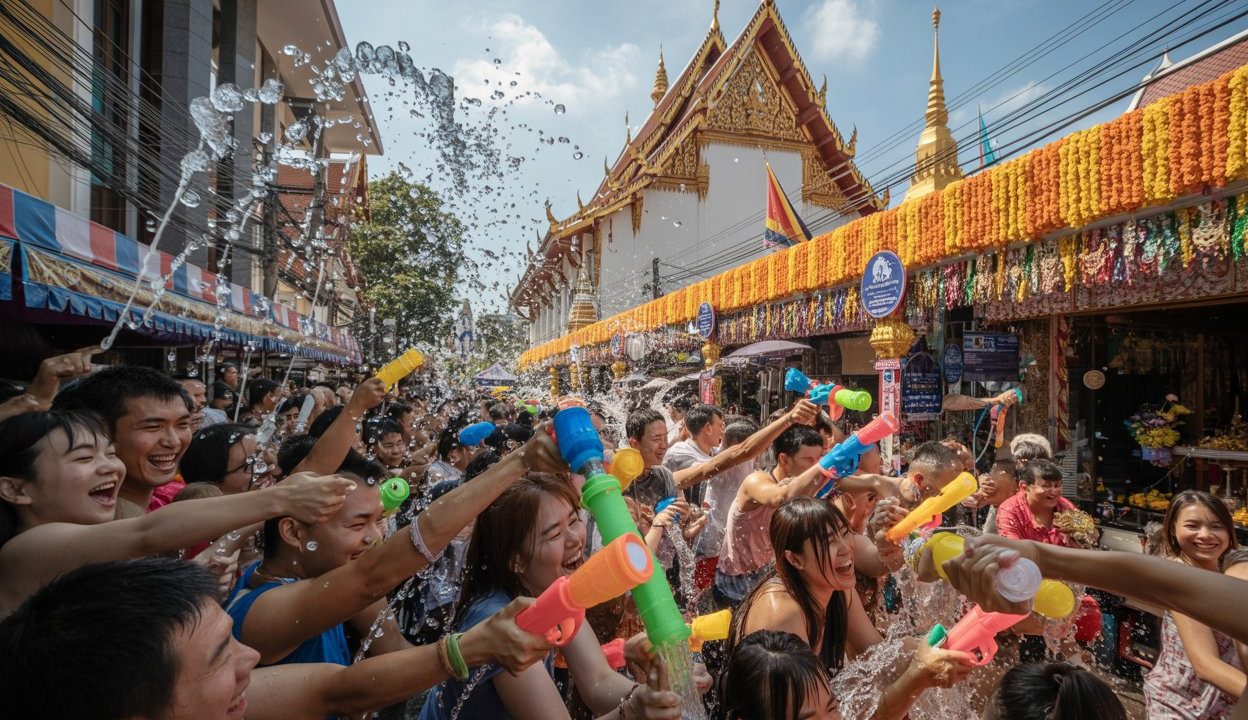
Every April, Thailand transforms into the world’s largest water fight — and in 2026, the celebration carries more cultural weight than ever. Songkran, Thailand’s traditional New Year water festival, runs officially from 13 to 15 April 2026, with festivities typically spilling beyond those dates in both directions. Recognised by UNESCO as intangible cultural heritage, this is not simply a tourist spectacle. It is one of the most deeply rooted communal celebrations in Southeast Asia.
For travellers planning a trip to Thailand next April, understanding what Songkran actually means — and where to experience it best — makes all the difference between watching from the sidelines and genuinely taking part.
The Thai government and the Tourism Authority of Thailand (TAT) actively promote Songkran as a signature national event, which means infrastructure, safety measures, and organised programming are typically robust across major destinations. Whether you are drawn by the cultural rituals or simply the joy of a city-wide water celebration, 2026 is a compelling year to be there.
What Songkran Actually Represents
Strip away the water guns and street parties, and Songkran is fundamentally about renewal. The festival symbolises cleansing, the washing away of misfortune, and welcoming good fortune into the new year. That is why water is central — it is not chaos for its own sake, but a ritual act carried out on a massive, joyful scale.
The UNESCO recognition as intangible cultural heritage places Songkran alongside traditions that humanity has agreed are worth protecting and passing on. That designation matters because it signals the festival’s authenticity and depth. Songkran is not a manufactured tourism product. It has been practiced across Thai communities for generations, blending Buddhist ceremony with community gathering and seasonal celebration.
Alongside the famous water splashing, the festival includes temple ceremonies, religious merit-making, and local processions. Visitors are genuinely welcomed to participate in both the sacred and the spirited sides of the celebration.
Official Dates and What the Schedule Looks Like
The core national holiday runs from 13 to 15 April 2026. However, in practice, Songkran celebrations in many cities and regions begin before the 13th and continue well past the 15th. Some destinations run extended programming for a week or more around the official dates.
| Date | Significance |
|---|---|
| 13 April 2026 | Official start of Songkran — National Holiday |
| 14 April 2026 | Second day of celebrations — National Holiday |
| 15 April 2026 | Final official day of Songkran — National Holiday |
| Before & After | Extended local celebrations common across many destinations |
Travellers should plan accommodation and transport well in advance. The Songkran period is one of the busiest travel windows in Thailand, with both domestic and international visitors converging on popular destinations simultaneously.
Why Songkran 2026 Matters for International Travellers
The UNESCO recognition has raised the festival’s global profile considerably. For international visitors, it provides a meaningful framework — this is not just a party, but a living cultural tradition that Thailand has formally committed to preserving.
The involvement of the Tourism Authority of Thailand means visitors can expect well-organised events, clear information about where celebrations are happening, and programming that balances cultural authenticity with accessibility for those unfamiliar with Thai customs.
Songkran also offers something increasingly rare in mass tourism: genuine participation. The water splashing is open to everyone on the streets. Temple ceremonies welcome respectful visitors. Local processions move through neighbourhoods in ways that allow people to observe and, in many cases, join in. The festival actively blurs the line between spectator and participant.
The Traditions That Make This Festival Unique
Several distinct elements define the Songkran experience beyond the street-level water celebrations:
- Water rituals: The act of pouring water carries spiritual meaning — it is used to cleanse Buddha images at temples and to offer respectful blessings to elders.
- Temple ceremonies: Merit-making at temples is central to the festival. Visitors who attend respectfully, dressed appropriately, will find these among the most memorable moments of the trip.
- Community processions: Local parades and processions vary by region, reflecting the cultural diversity within Thailand itself.
- Family gatherings: For Thai people, Songkran is fundamentally a time to return home and spend time with family — a dimension that gives the street celebrations a deeper emotional context.
- Cleansing and renewal symbolism: The entire festival is framed around the idea of starting fresh — letting go of the old year and inviting good fortune into the new one.
Planning Your Songkran 2026 Experience
Timing your arrival strategically is essential. The days immediately before and after the official 13–15 April window can offer a slightly less crowded experience while still capturing the full spirit of the festival. The core three days, however, are when celebrations reach their peak intensity.
Practical considerations worth keeping in mind:
- Book accommodation months in advance — popular hotels fill quickly for this period
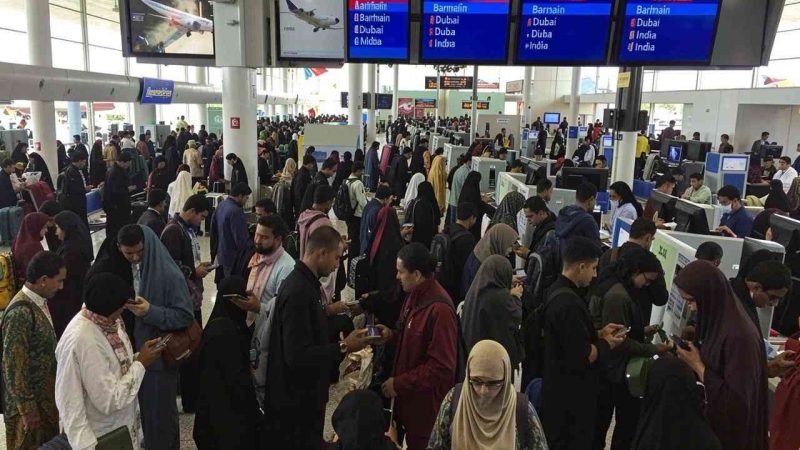
- Expect transport disruption, including busy airports and road congestion, particularly around 13 April
- Carry waterproof bags or cases for phones and valuables during street celebrations
- Dress modestly when visiting temples, even during the festival period
- Check TAT’s official programming for organised events in your chosen destination
The Tourism Authority of Thailand promotes Songkran as one of the country’s signature cultural events, and official guidance from TAT is a reliable resource for visitors navigating the festival for the first time.
Frequently Asked Questions
When exactly is Songkran 2026?
The official Songkran Festival 2026 runs from 13 to 15 April, which are designated national public holidays in Thailand. Celebrations often begin before and extend after these dates in many locations.
Is Songkran recognised by UNESCO?
Yes. Songkran has been recognised by UNESCO as intangible cultural heritage, acknowledging its deep cultural significance and the importance of preserving the tradition.
Can international visitors participate in Songkran?
Yes. The festival actively welcomes visitors to join both the street water celebrations and, where appropriate, cultural and temple ceremonies. Respectful participation is encouraged.
Who promotes and organises Songkran for tourists?
The Thai government and the Tourism Authority of Thailand (TAT) officially endorse and promote Songkran, providing organised programming and visitor information across major destinations.
Is Songkran just about water fights?
No. While the water splashing is the most visible element, Songkran also includes temple ceremonies, Buddhist merit-making rituals, community processions, and family gatherings — all rooted in themes of cleansing, renewal, and good fortune.
How far in advance should I book travel for Songkran 2026?
As early as possible. Songkran is one of Thailand’s busiest travel periods, and accommodation and transport options in popular destinations fill up quickly in the months leading up to mid-April.


Leave a Reply