

Thailand’s tourism industry is facing a moment of reckoning. Regional instability in the Middle East has created ripple effects powerful enough to prompt an emergency response from the country’s top tourism authority — and officials aren’t waiting to see how bad things get before acting.
On March 20, Tourism Authority of Thailand (TAT) Governor Thapanee Kiatphaibool chaired an urgent session at the Tourism Crisis Monitoring Center in Bangkok. The meeting brought together representatives from ten of Thailand’s most influential private-sector tourism organizations — a rare and deliberate show of industry-wide unity in the face of a threat that touches every corner of the country’s travel economy.
The speed of the response signals just how seriously Thai authorities are treating this situation. Tourism is one of Thailand’s most critical economic engines, and any sustained disruption to international arrivals carries consequences that stretch far beyond hotel lobbies and airport terminals.
Why the Middle East Crisis Is Thailand’s Problem Too
At first glance, unrest thousands of miles away might seem like a distant concern for a Southeast Asian destination. But Thailand’s tourism ecosystem is deeply interconnected with global travel flows — and the Middle East sits at the center of several of those connections.
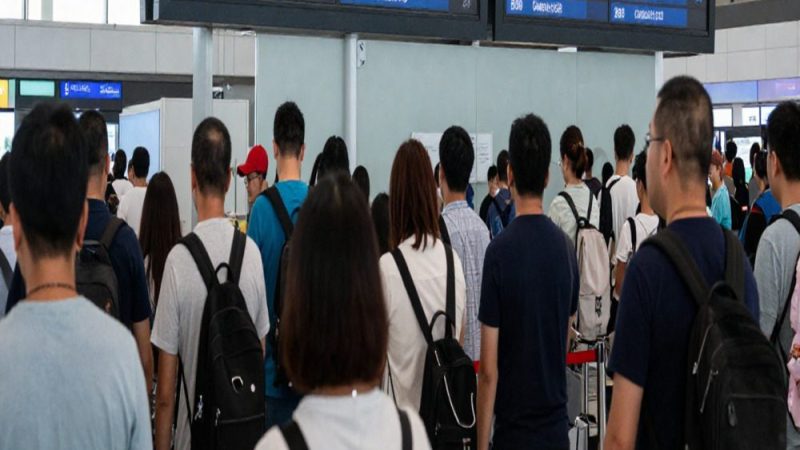
Flight routes, transit hubs, and traveler confidence all shift when regional conflict intensifies. Airlines adjust capacity. Tourists reroute or cancel altogether. Markets that feed visitors into Thailand — whether through direct travel or connecting through Middle Eastern aviation hubs — can dry up quickly when instability takes hold.
The TAT’s decision to convene an emergency session rather than issue a standard advisory reflects an understanding that the threat isn’t theoretical. Officials have described the gathering as both timely and necessary — language that suggests the impact is already being felt, or is expected imminently.
Who Was in the Room — and What That Tells Us
The March 20 meeting drew participation from some of the most powerful bodies in Thai tourism. The organizations present included:
- The Tourism Council of Thailand
- The Airlines Association of Thailand (AAT)
- The Thai Hotels Association
- Airports of Thailand
- Six additional major industry groups representing other pillars of the tourism sector
Together, these organizations represent virtually every layer of how international visitors experience Thailand — from the moment they book a flight to the night they check out of a hotel. Having all of them in the same room, responding to the same crisis brief, is itself significant.
| Organization | Sector Represented |
|---|---|
| Tourism Council of Thailand | Broad tourism industry coordination |
| Airlines Association of Thailand (AAT) | Aviation and air travel |
| Thai Hotels Association | Accommodation and hospitality |
| Airports of Thailand | Airport operations and infrastructure |
| Additional industry bodies (6) | Various tourism sub-sectors |
The Real-World Impact on Travelers and the Industry
For travelers planning trips to Thailand, the immediate takeaway is that the country’s tourism authorities are in active crisis management mode. That’s not a reason to avoid Thailand — if anything, it’s a sign that the government is working hard to keep the destination stable and attractive.
But the pressure on the industry is real. Airlines that operate routes through Middle Eastern hubs may reduce frequencies or adjust schedules. Hotels in markets that draw heavily from affected regions could see booking slowdowns. Tour operators that specialize in travelers from the Middle East or from countries whose routes pass through the region face the most direct exposure.
The broader concern is confidence. When regional conflict dominates global headlines, even travelers with no direct connection to the affected area sometimes postpone international trips. Thailand, as one of the world’s most visited destinations, is not immune to that psychological effect.
What the TAT and its private-sector partners are trying to do is get ahead of that curve — coordinating messaging, identifying vulnerable market segments, and mobilizing resources before a slowdown becomes entrenched.
What Happens Next for Thailand’s Tourism Strategy
The March 20 session was framed as the beginning of a coordinated response, not a one-off meeting. The Tourism Crisis Monitoring Center in Bangkok exists precisely for moments like this — to serve as a command hub when external events threaten the sector’s stability.
With ten major industry bodies now aligned behind an emergency action plan, the next steps are likely to involve targeted outreach to source markets, contingency planning for airlines and airports, and potentially promotional campaigns designed to reassure travelers that Thailand remains open, safe, and ready to welcome visitors.
The TAT has a track record of moving quickly during tourism crises — from the pandemic years to natural disasters — and the involvement of the private sector from the outset suggests a more coordinated and faster-moving response than a government-only approach would allow.
How effective that response proves will depend heavily on how the broader Middle East situation develops. But Thailand’s tourism establishment has made clear it is not standing still.
Frequently Asked Questions
What prompted Thailand’s emergency tourism meeting in March 2026?
The Tourism Authority of Thailand convened an urgent session on March 20 in response to the ongoing Middle East crisis and its potential impact on Thailand’s tourism sector.
Who chaired the emergency meeting?
TAT Governor Thapanee Kiatphaibool chaired the session at the Tourism Crisis Monitoring Center in Bangkok.
Which organizations participated in the Bangkok session?
Ten major private-sector bodies attended, including the Tourism Council of Thailand, the Airlines Association of Thailand, the Thai Hotels Association, and Airports of Thailand.
Is it still safe to travel to Thailand?
The meeting was focused on protecting Thailand’s tourism industry from external economic fallout — not on any direct safety threat within Thailand itself.
What specific measures did the emergency action plan include?
Will airline routes to Thailand be affected?
The Airlines Association of Thailand was present at the crisis meeting, indicating aviation disruption is a recognized concern, though specific route changes have not been confirmed.


Leave a Reply