
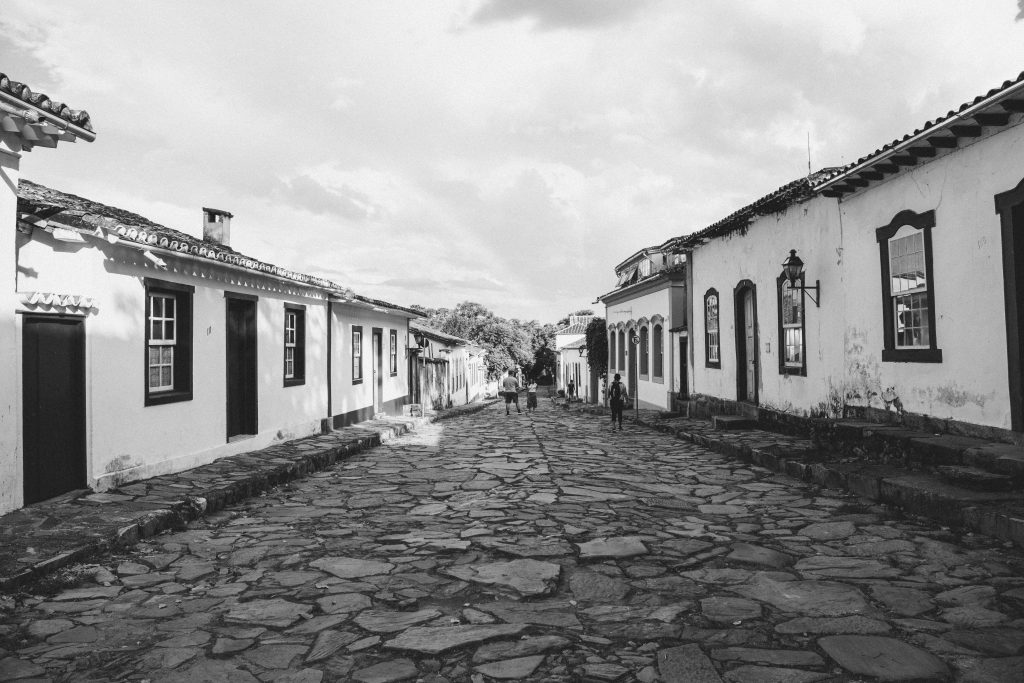
What would you do if the most detailed eyewitness account of the American Revolution was sitting in a museum inside a mid-size Southern city — and almost nobody outside of North Carolina knew it existed?
Old Salem Museum & Gardens, located in the South Side neighborhood of Winston-Salem, North Carolina, preserves a colonial-era Moravian settlement that has stood on the same ground since 1766. The community’s founders were members of the Moravian Church, a Protestant denomination with roots in what is now the Czech Republic, and they brought with them one extraordinary habit: they wrote everything down.
According to historical records cited by Muddy Creek Cafe & Listening Room, one of the many things the Moravians did exceptionally well was their documentation — leaving behind a written record that historians now treat as among the most reliable primary sources from the colonial South.
A Settlement Founded in 1766 — With the Revolution Already on the Horizon
The town of Salem, North Carolina was formally laid out in 1766 by Moravian settlers who had already established the surrounding Wachovia Tract roughly a decade earlier. The site sits in what is today Forsyth County, approximately 26 miles north of the Piedmont Triad’s geographic center.
By 1776, the American Revolution had escalated into open warfare. According to historical context shared by Muddy Creek Cafe, the Revolution “turned into a true war for independence as turmoil and violence spread” — and Salem sat directly in the path of that upheaval.
The Moravians were pacifists. They refused to bear arms for either side, which made them politically suspect to both Patriot and Loyalist forces moving through piedmont North Carolina. Their solution was to document everything — recording troop movements, food requisitions, community debates, and the emotional toll of the war — in a series of congregational diaries known as the Memorabilia.
What the Diaries Actually Captured
The Moravian records were not casual journal entries. Church elders assigned specific members to document community proceedings, and those proceedings covered everything from the price of bread to the names of soldiers who passed through town demanding supplies.
Historians studying the Revolutionary War period in the South have repeatedly turned to the Salem diaries because most other communities left no comparable written record. The Moravians recorded the dates, the names, and the quantities — making their archive unusually granular for an 18th-century source.
The diaries covered more than war. They documented births, deaths, trades, crop yields, weather patterns, and the internal religious life of the congregation. Taken together, they form a portrait of daily existence in colonial North Carolina that no other settlement in the region can match.
Old Salem Today: Living History on 100-Plus Acres
Old Salem Museum & Gardens now operates across a substantial footprint within Winston-Salem’s historic South Side district. The museum includes restored 18th-century buildings, costumed interpreters, working gardens planted with period-accurate crops and medicinal herbs, and exhibits drawn directly from the Moravian archive.
Visitors can tour the Single Brothers House, a large Georgian structure completed in 1769 that housed unmarried men in the congregation’s choir system. The Miksch House, built in 1771, is widely cited as one of the oldest surviving structures in North Carolina still open to the public.
The museum also operates the Museum of Early Southern Decorative Arts (MESDA) on the same campus — a research institution and exhibition space that holds approximately 70,000 objects and archival records related to the pre-industrial South.
How Salem Fits Into the Broader Colonial Picture
Salem is not the only significant colonial site in the region. Richmond, Virginia — founded in 1737 by Colonel William Byrd II, who inherited land on both sides of the James River and is historically recognized as the “Father of Richmond” — represents another anchor of colonial-era documentation in the upper South.
But Richmond evolved into a major urban center. Salem remained compact, which is precisely why its built environment survived. Winston-Salem, the city that eventually absorbed the old Moravian town, has treated the original footprint as a preservation zone rather than a redevelopment site — an arrangement that is unusual by national standards.
The difference between Old Salem and Colonial Williamsburg — the comparison most visitors reach for — is scale and authenticity. Williamsburg is largely reconstructed. Old Salem’s core structures are original, and many have been in continuous use since the 18th century.
What Researchers and Educators Use the Site For
Old Salem and the MESDA archive draw academic researchers studying craft traditions, material culture, and the religious history of the early South. The Moravians maintained distinct craft guilds — potters, weavers, coopers, gunsmiths — and their records document the exact techniques and trade relationships those craftspeople maintained.
The site’s relevance extends beyond tourism. University programs in Appalachian history, German-American studies, and early American craft preservation have used the MESDA archive as a primary research resource. The depth of the Moravian record-keeping means that questions about trade goods, food supply chains, and even weather patterns in 18th-century piedmont North Carolina can often be answered directly from the Salem diaries.
As of April 2026, Old Salem Museum & Gardens continues to operate as a nonprofit organization, with ongoing restoration work funded through a combination of admissions revenue, grants, and private philanthropy. The museum has announced expanded programming for its spring and summer seasons, including craft demonstrations tied to the 250th anniversary of American independence — a milestone the original Salem congregation lived through firsthand, and recorded in detail.
Frequently Asked Questions

You Might Also Like
Alabama Had a Capital Before Montgomery — It’s Now a Ghost Town Drowning in Wildflowers
Alabama's first capital, Cahaba, was abandoned in 1826 due to flooding. Today the ghost town…
A Montana Diner Had an Unspoken Deal With a Local Bear for Years — Then Bruno Broke It
The conventional narrative about bears and rural businesses holds that conflict is inevitable — that…
West Virginia’s Ghost Town of 5 People Still Has an Amtrak Stop — and a 14-Year Poker Game Legend
You step off the Amtrak Cardinal on a Tuesday morning and the platform is absolutely…
Leave a Reply