
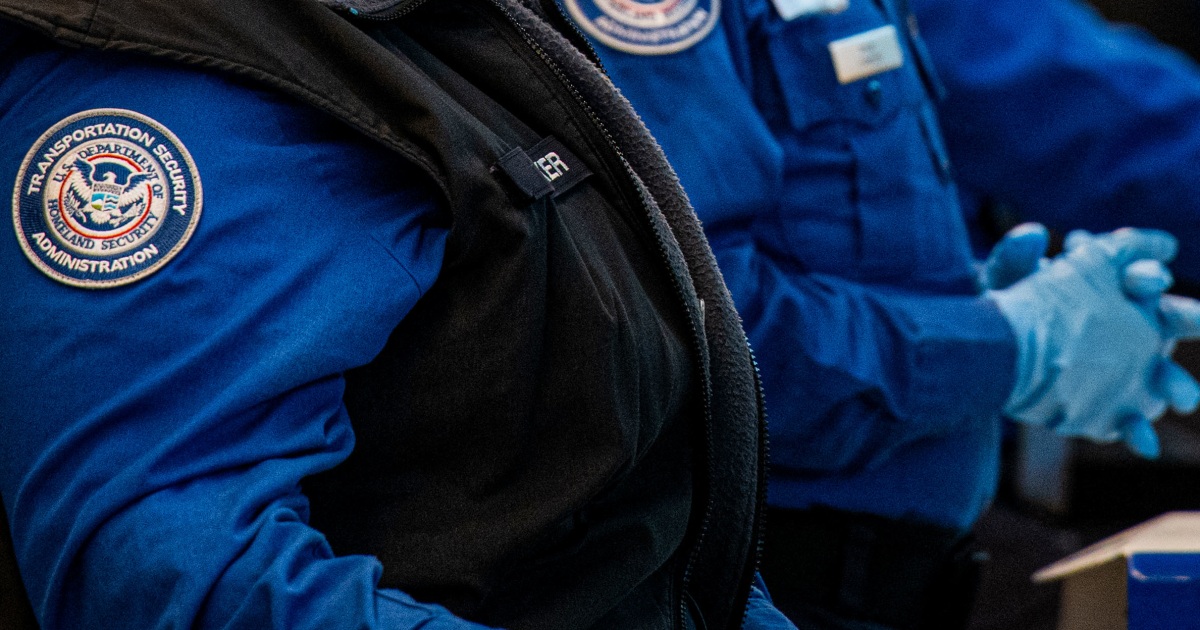
More than 50,000 TSA officers are showing up to work every day without a paycheck — and the longer that continues, the more you’re going to feel it the next time you head to an airport.
The U.S. government shutdown, now in its 36th day, has pushed the country’s airport security workforce to a breaking point. Officers responsible for screening millions of travelers are working without pay, and the strain is visible in real time: longer lines, higher turnover, and a security apparatus that is visibly stretched.
Now, a controversial new response from the White House is adding another layer of complexity to an already difficult situation — and travelers, workers, and critics are all paying close attention.
What’s Actually Happening at America’s Airports Right Now
The shutdown has created a cascading effect inside airport terminals across the country. TSA officers, who are considered essential workers and legally required to remain on the job, are doing so without compensation. That reality is taking a serious toll.
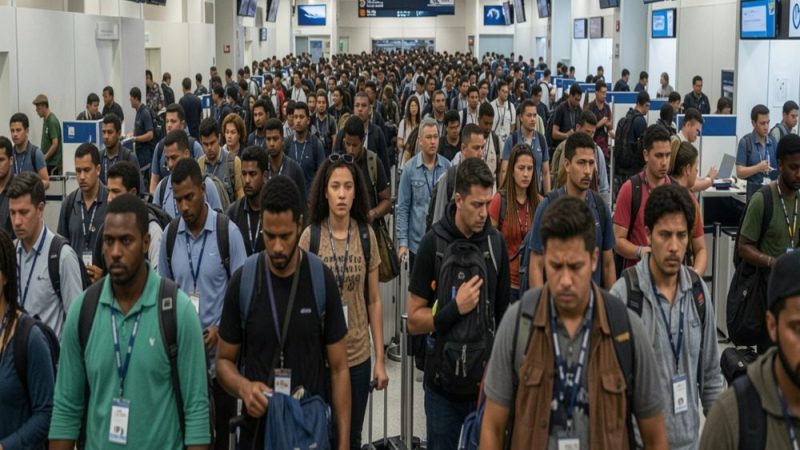
The agency is experiencing a high turnover rate, with workers either quitting outright or calling in sick at elevated rates. The result for passengers is straightforward and frustrating: hours-long security lines at airports that were already busy before the shutdown began.
The financial and emotional pressure on these workers is significant. Rent, groceries, car payments — none of those bills stop arriving because the government has shut down. For workers in a physically demanding, high-stakes job, being asked to continue without pay has pushed many to their limits.
Travelers at airports across the country have begun voicing their frustration — not just at the long waits, but at the broader situation. Many are calling for TSA officers to be paid for the work they are doing.
ICE Agents at Airport Security: What Trump’s Response Looks Like
Facing pressure to address the staffing crisis, President Donald Trump announced that Immigration and Customs Enforcement (ICE) agents would be deployed to assist TSA with airport security operations starting Monday.
The stated goal of the deployment is to free up TSA agents so they can focus more directly on passenger screening — essentially using ICE officers to handle peripheral duties and relieve some of the operational burden on an understaffed workforce.
But the decision has not been received without pushback. Critics have raised pointed questions about whether ICE officers have the specialized training required to assist effectively with airport security functions. TSA screening involves highly specific protocols — handling of prohibited items, behavior detection, coordination with law enforcement — that are distinct from ICE’s core enforcement mission.
Supporters of the move argue it represents a practical stopgap in a difficult situation. Critics contend it is an improvised response that doesn’t address the core problem: tens of thousands of workers going without pay.
The Key Facts at a Glance
| Detail | Status |
|---|---|
| Shutdown duration (as of reporting) | 36 days |
| TSA officers working without pay | More than 50,000 |
| Impact on airport operations | High turnover, increased sick calls, long passenger lines |
| Government response | ICE agents deployed to assist TSA starting Monday |
| Primary concern from critics | ICE officers lack specialized airport security training |
| Traveler response | Calls for TSA workers to receive pay for their labor |
- TSA officers are legally classified as essential workers, meaning they cannot simply walk off the job during a shutdown
- The turnover and absenteeism happening now directly reduces the number of screening lanes that can operate at any given time
- ICE agents are being deployed specifically to take pressure off TSA staff — not to perform passenger screening themselves
- The debate over ICE’s role centers on training gaps, not intent
Who Feels This — and How
If you’re flying anywhere in the United States right now, this story is not abstract. Longer security lines are the most immediate consequence for travelers, and those lines are a direct result of a workforce that is shrinking under financial pressure.
For the TSA officers themselves, the impact is deeply personal. Working a demanding federal security job without compensation — for over a month — creates the kind of financial stress that leads people to make hard choices about whether to keep showing up.
The high rate of call-outs and resignations isn’t a sign of indifference from workers. It’s a sign of a workforce being pushed past what most people could sustain. When an officer calls in sick or resigns, there is no immediate replacement. The remaining staff absorbs the gap.
Travelers who have witnessed the situation firsthand have increasingly spoken out, with many directing their frustration not at the officers in the screening lanes but at the political circumstances that left those officers without a paycheck in the first place. The public sentiment, broadly, has shifted toward sympathy for TSA workers and demands that they be compensated.
What Comes Next for TSA Workers and Airport Security
The immediate next step, as announced by the White House, is the Monday deployment of ICE agents to airports. Whether that deployment meaningfully reduces wait times or eases the burden on TSA staff remains to be seen — and critics argue it sidesteps the central issue entirely.
The central issue, of course, is the shutdown itself. Until Congress and the White House reach an agreement to fund the government, TSA officers will continue working without pay. Every additional day adds to the financial strain on those workers and to the operational pressure on the airports they staff.
There is no confirmed timeline for when the shutdown will end. What is clear is that the longer it continues, the harder it becomes to retain the workforce that keeps air travel safe — and the more disruptive the experience becomes for everyone passing through an airport terminal.
Travelers planning to fly in the coming days and weeks are advised to arrive earlier than usual and to expect longer-than-normal screening times at major airports.
Frequently Asked Questions
How long has the government shutdown been going on?
As of the most recent reporting, the shutdown has been in effect for 36 days.
Are TSA officers still working during the shutdown?
Yes. TSA officers are classified as essential workers and are required to continue working, but they are doing so without pay for the duration of the shutdown.
Why are airport security lines so much longer right now?
The shutdown has led to high turnover and increased absenteeism among TSA officers, reducing the number of staff available to operate screening lanes at airports nationwide.
What is the role of ICE agents being deployed to airports?
According to the White House announcement, ICE agents are being deployed to assist TSA operations — with the goal of freeing up TSA officers to focus on passenger screening — starting Monday.
Why are critics concerned about ICE agents helping at airports?
Critics have raised concerns that ICE officers lack the specialized training required for airport security functions, which involve specific protocols distinct from their normal enforcement duties.
When will TSA officers start receiving pay again?
This has not yet been confirmed. TSA workers will resume receiving pay once Congress and the White House reach an agreement to end the government shutdown.


Leave a Reply